Tate Sensorium exhibition at the Tate Britain – a stimulating experience!

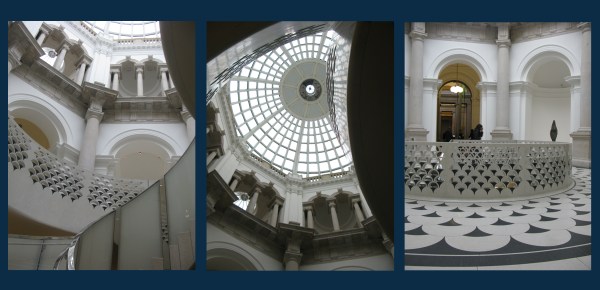
On the 16th of September, I set out with a group of young friends to catch the ‘exciting’ new exhibition called Tate Sensorium at the Tate Britain. It was more the company of such interesting and nice people rather than the exhibition that made me agree to their plan. And, the fact that I have... Continue Reading →

A Maharaja’s vision, and the romance continues…

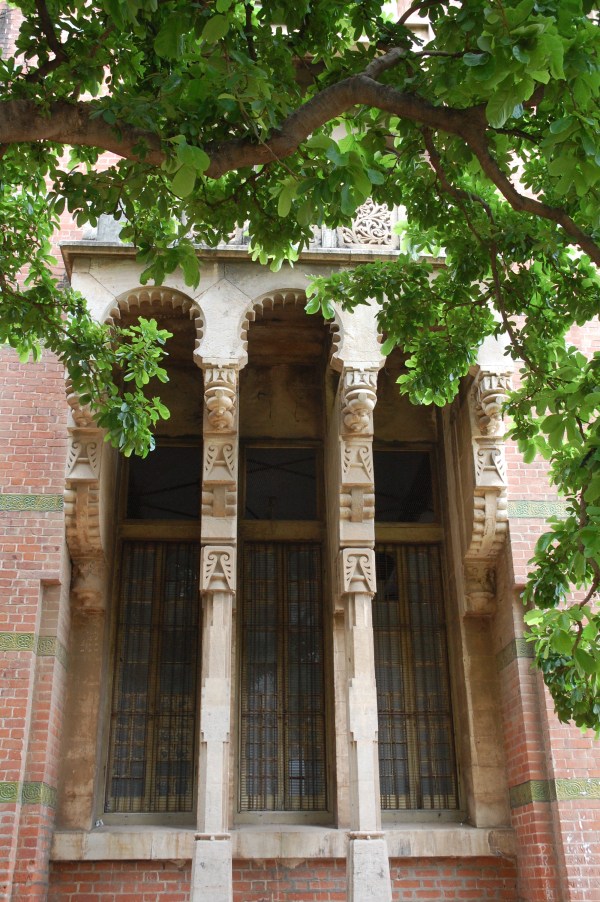
In the last blog, we had started on the journey of the discovery of the creations of the illustrious ruler Maharaja Sayajirao Gaekwad III. We saw him turn into a full fledged king, soon he will prove he is a ruler above excellence, a beloved of his citizens whom he never considered his subjects. Sayajirao was... Continue Reading →

The human element is always the best connector!

Throughout the British Museum, and other museums all over the world, there are handling desks, also called hands - on desks or hands - on sessions. Here, volunteers sit with real objects, not replicas, and explain the history of the object, its context, its relation to present day, its place in the gallery, its link... Continue Reading →

Moko Jumbie sculptures, British Museum

The British Museum has installed two 7 metre high carnival figures on stilts made by the UK-Trinidadian artist Zak Ové, they celebrate African contributions to world carnival. According to the British Museum website: The Museum commissioned these figures to coincide with London’s Notting Hill Carnival at the end of August. Moko Jumbie figures became a key feature... Continue Reading →

Akbar and Dyslexia

Akbar_Dyslexia The above is a link to an article written in 2008 in Housecall Magazine by Dr Asok Kumar Das. Most of us might be aware that one of the greatest emperors of the Mughal dynasty, Akbar, could not read or write. He maintained an elaborate taswirkhana or atelier where painters were commissioned to illustrate... Continue Reading →

‘Varnika’ explained

Many friends have asked about the name of my blog and tiny firm 'VarnikaDesigns'. The name is borrowed from 'Varnikabhangam' from the Six Limbs of Indian Painting. The Six Limbs of Indian Painting is a set of cannons and guidelines that were assembled around the 6th century to guide artists for creating paintings. If you... Continue Reading →

Blog at WordPress.com.

Up ↑