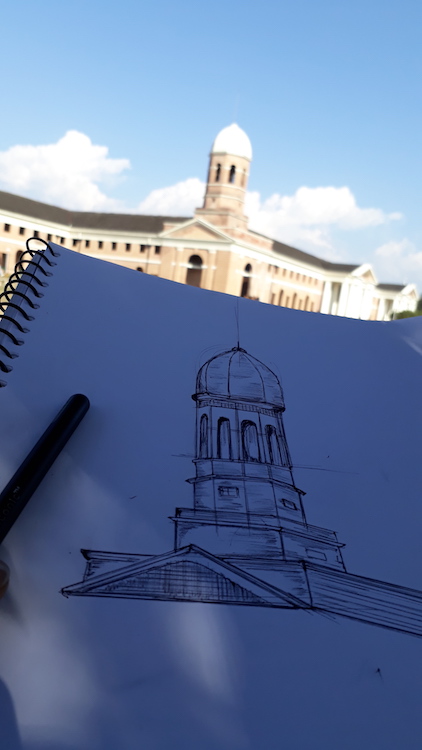
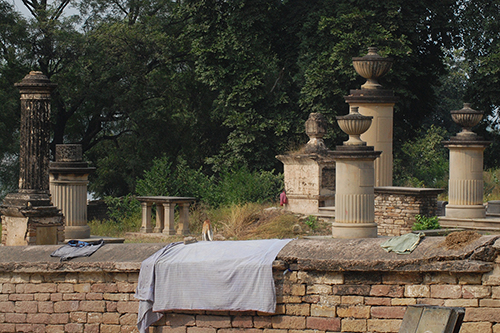
The Forest Research Institute, began in a small forest school at Dehradun in 1878 to impart training to forest rangers. In 1906 it became known as the Imperial Forest Research Institute located in Chand Bagh Estate. The objective was to “organize and lead forestry research in the country”. It also trained forest officers and rangers... Continue Reading →
2019 has an exciting start!
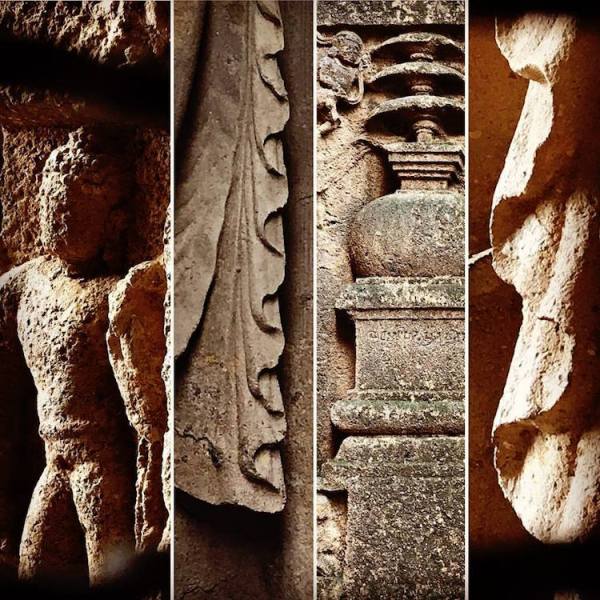
#projectinterpret started 2019 with a tour of the nearly 2000 year old Kanheri Caves in the Sanjay Gandhi National Park in Borivali East, Mumbai. Easy to reach, through winding lush green path, spotting deers enroute, this cave cluster needs to be climbed by foot once a vehicle takes you to its base. Not for the... Continue Reading →
A 600 year old trek!
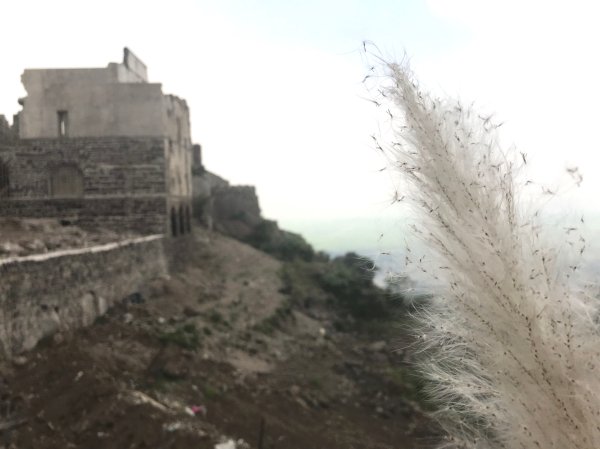
Do not go where the path may lead, go instead where there is no path and leave a trail. Ralph Waldo Emerson One Saturday morning, we went in our quest for the Kondapalli fort - if you had read the previous post then you would know why 🙂 yes, the crafts community that makes... Continue Reading →
Design your History! Yes, you can :)
For the History of Design course for the Industrial Design students at the National Institute of Design, Vijayawada, we strapped ourselves tightly and zipped onto a roller coaster time travel... yeaaaaaaaahhhhhhhh, like a virtual reality experience, especially customised for your personal choice 🙂 don't believe me??? then read on... One lazy... Continue Reading →
What makes Indian Textiles so exquisite?
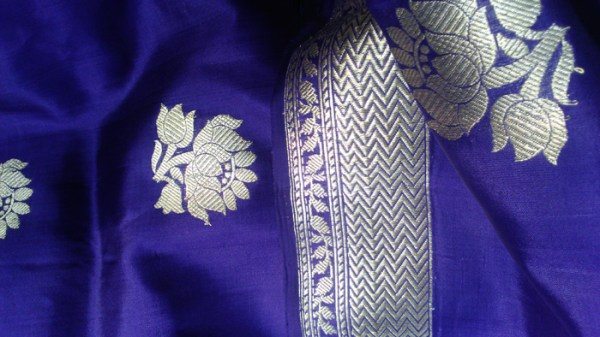
A wide variety of beautiful textiles ranging from embroideried, woven, printed and painted comprise India’s rich textile heritage. For most of us, there is a familiarity with most of the textiles coming from all parts of India – like Banarasi, Baluchari, Chikankari, Kalamkari, Kanthas, Kanchivaram, Ikat etc. The skill of Indian weavers is... Continue Reading →
Button Masala talks to the soul
Sukol, Derrida and Solitude It’s been a year that Sukol took his life, and his dreams and ambitions with him. A year in which we discovered his desperation to belong to a society he believed in. A poor Santhal tribal dark complexioned boy in his late teens who stood at 5 feet height had been... Continue Reading →
The world’s nest at Santiniketan
India's first Nobel Laureate, Gurudev Rabindranath Tagore wrote in 1929: I was brought up in an atmosphere of aspiration, aspiration for the expansion of the human spirit. We in our home sought freedom of power in our language, freedom of imagination in our literature, freedom of soul in our religious creeds and that of mind... Continue Reading →
#projectinterpret’s 2nd quarter
In the 2nd quarter of #projectinterpret, apart from the guided tours some new initiatives have taken root. These are: Knowyourcity challenge: photographs are regularly uploaded on the VarnikaDesigns Instagram and Facebook accounts to quiz on some historical monuments/sites/buildings to help people connect to the architectural landmarks of a city. Most of us have passed these... Continue Reading →
British whispers in Chunar
Part 3: British Chunar The most interesting building we saw in the Chunar fort campus was the house of Warren Hastings, the 1st British Governor General of Bengal. He was in India just after the Battle of Plassey in 1757, when the Nawab of Bengal Siraj-ud Daulah had to give away all his powers to... Continue Reading →
The ascent to Chunar Fort
Part 2: Medieval Chunar Chunar fort is built on a promontory on the eastern bank of the river Ganga but is so strategically placed across it that the mighty river actually strikes against the fort and turns back towards north. This gives the name to Ganga as Uttarvahini - meaning turning around! This fort has... Continue Reading →