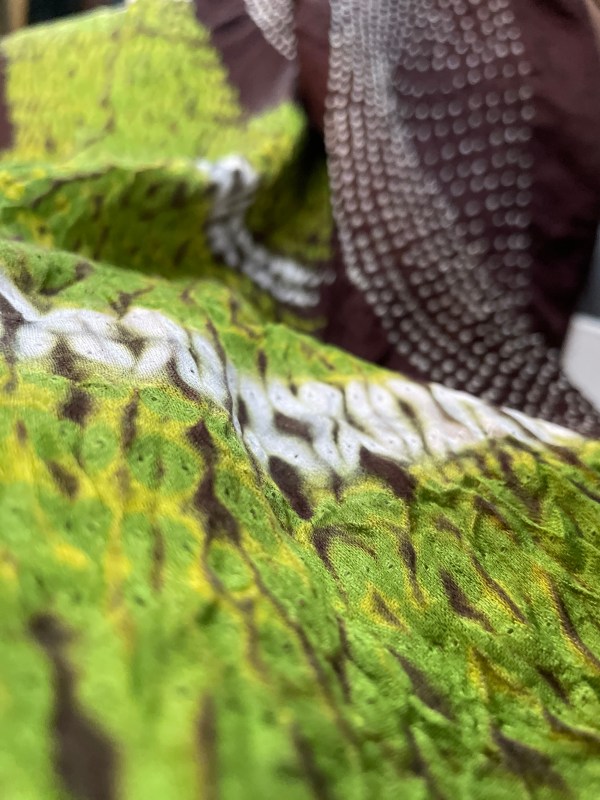
This post is a review of the book 'The Shoemaker's Stitch: Mochi Embroideries of Gujarat in the TAPI Collection', published last year by Niyogi Books. It is as delicately narrated as the embroidery itself by Shilpa Shah and Rosemary Crill. Each page is like another stitch into the past of the embroidery and the lavish photos do justice to the exquisite embroidery. The festive season of India is upon us, and women are digging into their treasure chests for old textiles that are still wearable or can be upscaled.
International Museum Expo, New Delhi, 18 – 20 May, 2023
I was honoured to be invited by the Ministry of Culture as a speaker on International Museum Day to talk about the oral history documentation project called ‘The Museum Memories Project’ – it was found at the beginning of the Covid global lockdown that to bring the world closer through sharing of personal memories from museums visited by anyone in any corner of the globe. It is a free digital archive and resource platform of histories, heritage, cultures of all people, making them accessible and inclusive to everyone 🙂
‘Jadughar Experts’ panel of ‘The Museum Memories Project’
For our 3rd year, we are honoured to announce our panel of 'Jadughar Experts' who will advise us with their valuable wisdom. Museums in most parts of India were called a ‘Jadughar’ or ‘Ajaibghar’ meaning a physical space of magic, our project attempts to transform the Museum into an accessible and inclusive digital, intellectual, emotional,... Continue Reading →
Happy Women’s Day!
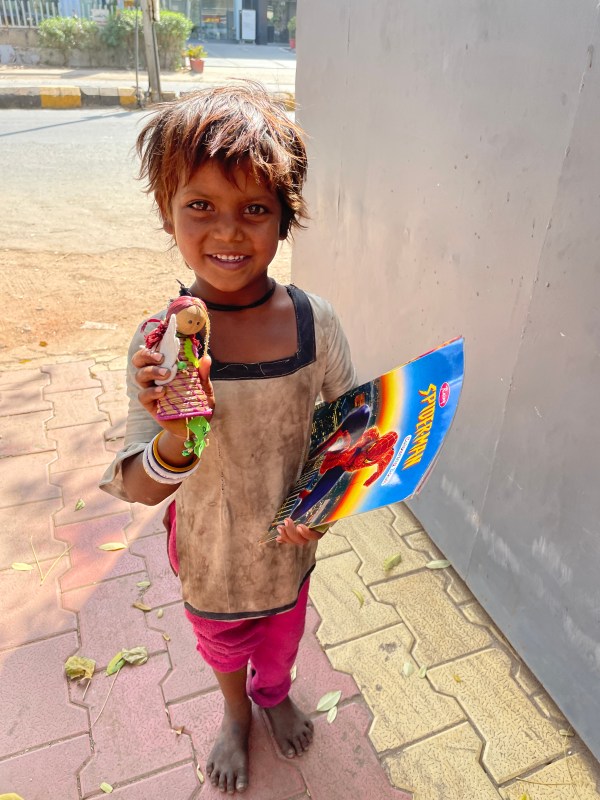
This 2023 Women's Day post is dedicated to the most awesome Priyanka Tolia and her Design Studio Chitku – a design and craft collaborative established in 2009. Wishing you, your team and this little girl the very best wishes for a peaceful life, full of love and safe women's day, every day!
Happy 2023 :)
Happy 2023:) Wishing you a very Happy, Safe and Peaceful 2023. Thank you everyone for your support, encouragement and appreciation. VarnikaDesigns managed to get back to doing what we have been attempting since 2010 - to make Indian museums and heritage more accessible and inclusive.
The Art Of Appliqué in India 
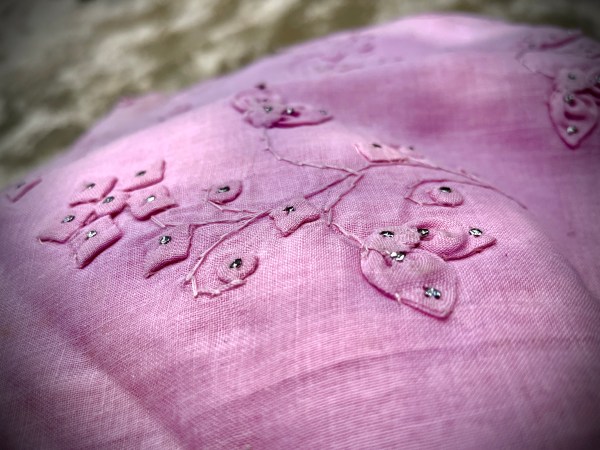
Appliqué is derived form the Latin word ‘applicare’ meaning ‘to fold’ or ‘to fasten’. It is the technique of applying colorful fabric pieces on the base fabric. Raw edges of these patches are finished with a definite mode of stitchery work. It developed as a means of mending old cloth or old garments from economical considerations. There are a vivid variety of Indian textiles in woven, embroidered, printed and other techniques. Appliqué is a textile technology that survives till today, not enjoying any royal patronage, but as an essential part to daily existence.
Vaishnavism and Raas Leela’s history in Manipur
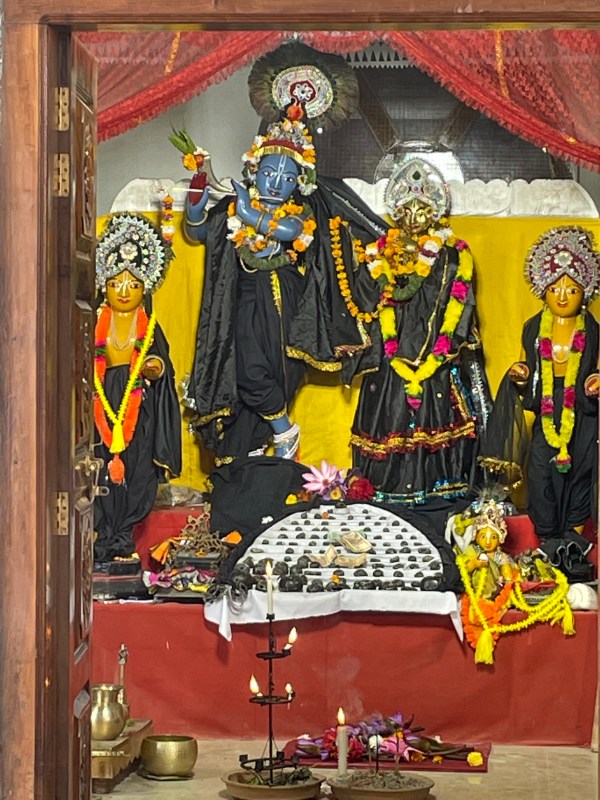
Today is Janamasthami, celebrated as the birth of the Indian god Krishna, let us take a small journey to the picturesque North Eastern state of Manipur. Why Manipur on Krishna's birthday? This is because Krishna is still celebrated here in every form, through religion, art, architecture and the beautiful Manipuri dance.
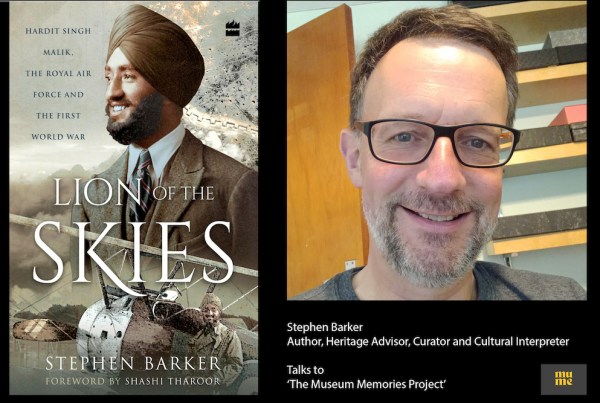
‘Impresario:A Heritage Foundry’ Interview with Stephen Barker, author and military historian
On Impresario: A Heritage Foundry we present an interview with Stephen Barker. A heritage advisor and museum consultant for museums in England, Stephen has been researching on the role of Indians as part of the British army during the World Wars. He closely examines their lives and activities on the battlefield and after. ‘The Museum Memories Project’ catches up with him on his latest book called 'Lion of the Skies: Hardit Singh Malik, the Royal Air Force and the First World War’ (it is called 'The Flying Sikh' outside India).
Albert Hall, Jaipur
The Rajasthan State government run Central Museum in Jaipur is still popularly known as the Albert Hall. It was designed by architect Sir Swinton Jacob inspired by the Victoria & Albert Museum, London, in the Indo – Sarcenic style and opened as a Museum in 1887. It was built to commemorate the visit of Albert,... Continue Reading →
Early Indian photography history at Jaipur
https://www.youtube.com/watch?v=f9x_ht9eQas Dr Asok Kumar Das is an Art Historian, Author, Former Director, City Palace Museum, Jaipur. He is an expert with 40 years of experience in the field of museums, museology and curation. This interview reveals the history of early Indian photography through the work of Sawai Ram Singh II, the ruler of Jaipur in... Continue Reading →