
Guardians of Memory: how archiving matters
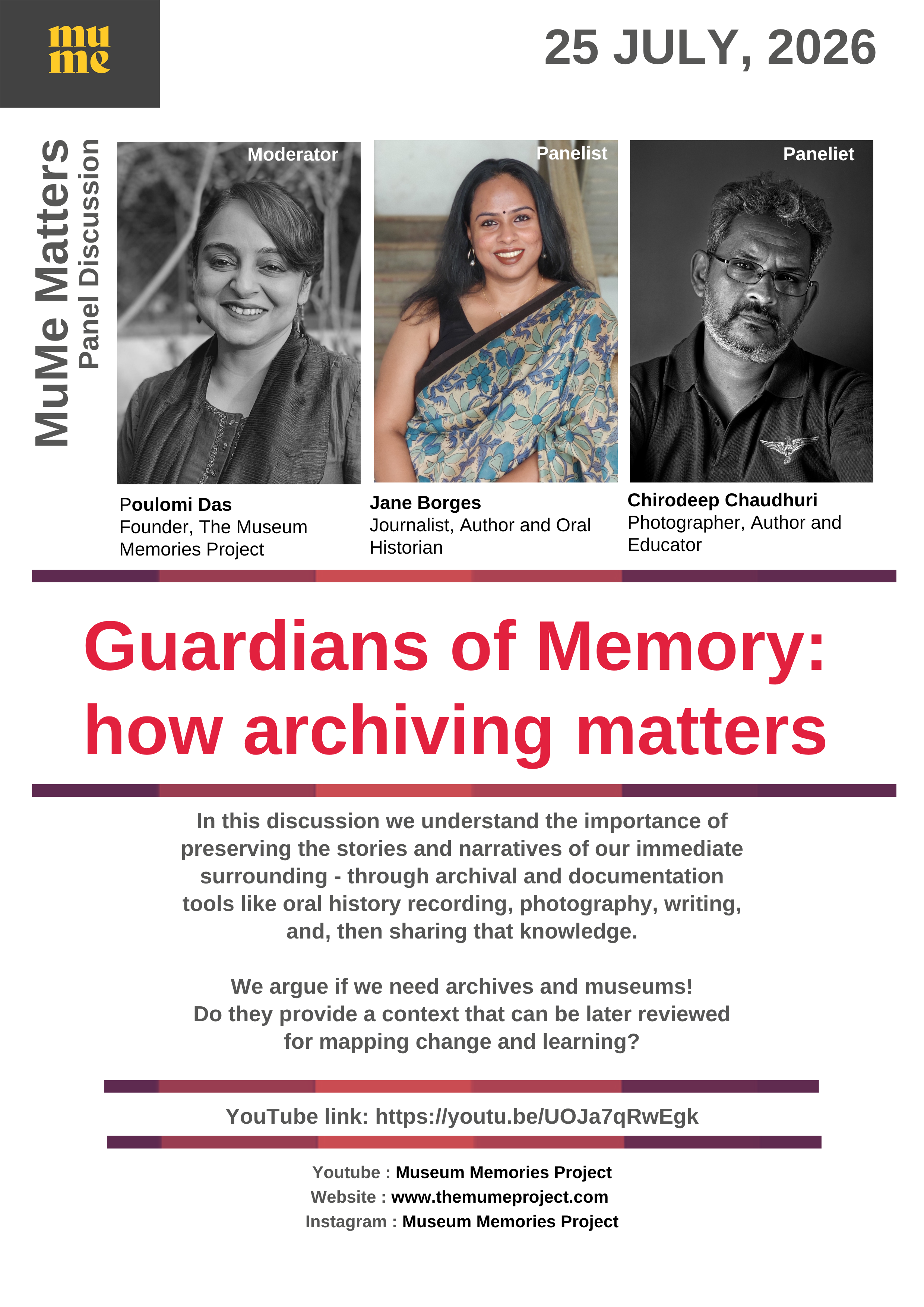
Panel Discussion with Jane Borges and Chirodeep Chaudhuri
Theme: In this discussion we understand the importance of preserving the stories and narratives of our immediate surrounding – through archival and documentation tools like oral history recording, photography, writing, and sharing that knowledge.
We argue if we need archives and museums! Do they provide a context that can be reviewed later to analyse change?
……….
Jane Borges is an award winning journalist, author, educator and Founder of Soboicar – an oral history project in partnership with The Citizens’ Archive of India) chronicling the lives of Catholics who migrated to Mumbai from the Konkan region and made the city their home.
Captions of photos given by Jane Borges:
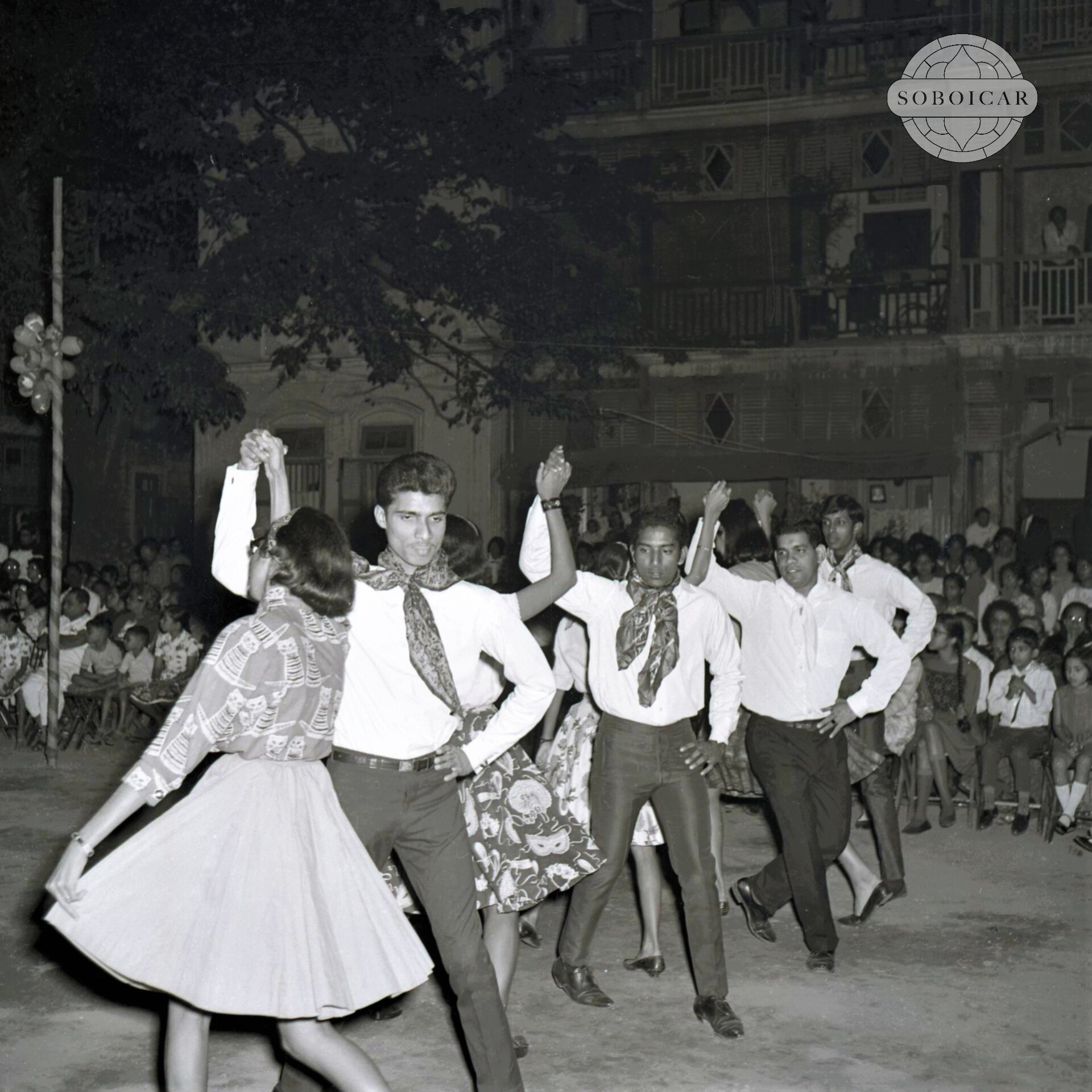
1) Black and white image of performance in Cavel: The residents of Cavel seen performing the traditional barn dance on Boxing Day in 1968. The annual bonfire night was usually celebrated on 26th
December each year inside the Barretto High School compound. The programming included jam sessions, skits, live music and songs performed by both young and old residents of the neighbourhood. The lively event was so popular, it drew visitors from other Christian enclaves around the city. The bonfire nights were a way of celebrating one’s roots and songs, with popular Konkani tracks often part of the roster, as many of the residents hailed from Goa and Mangalore. PHOTO COURTESY/Soboicar, The Citizens’ Archive of India
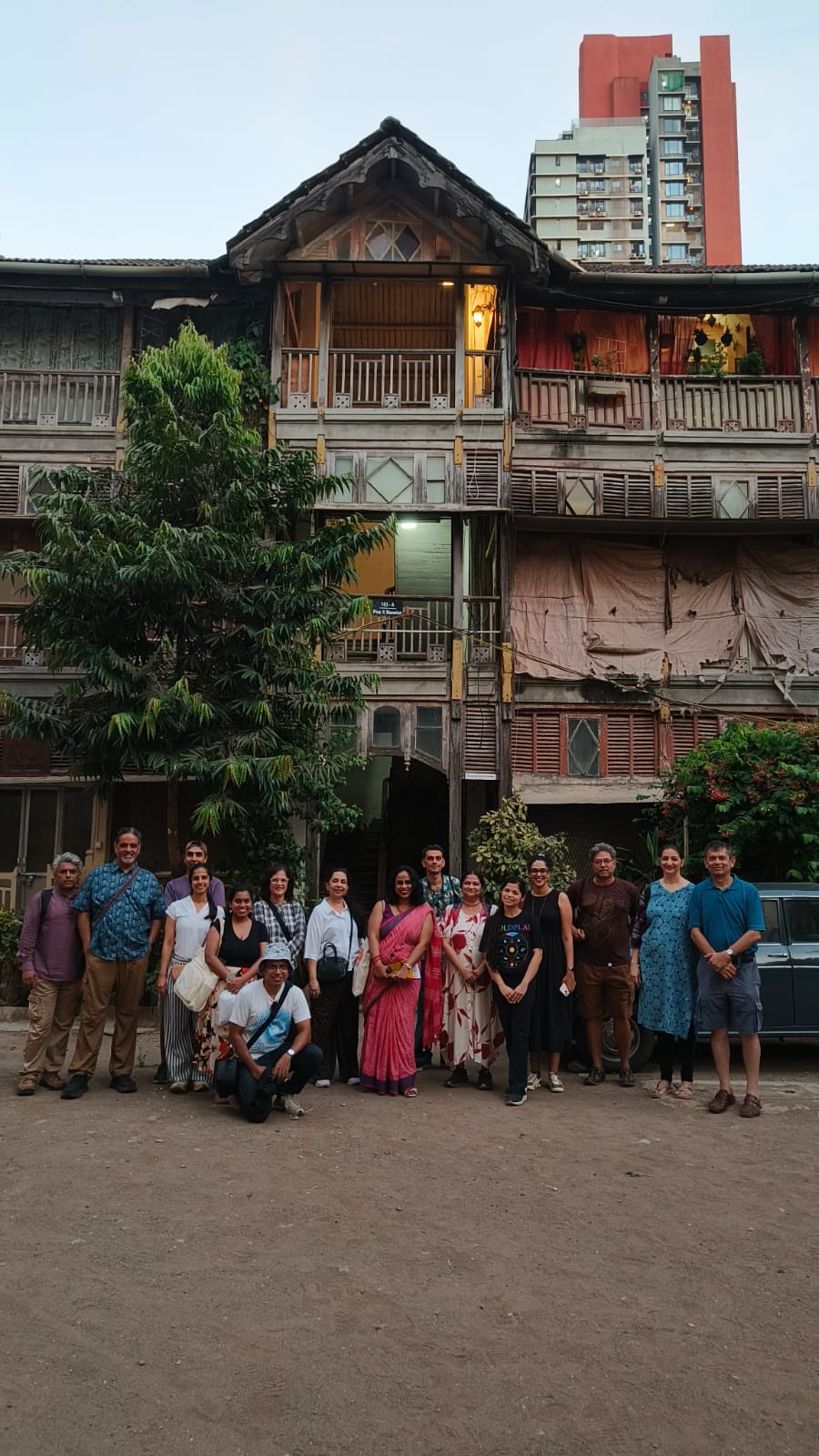
2) Recent images from the walk: A recent walk led by Jane Borges in Cavel, which revisited places mentioned in her debut novel, Bombay Balchão.
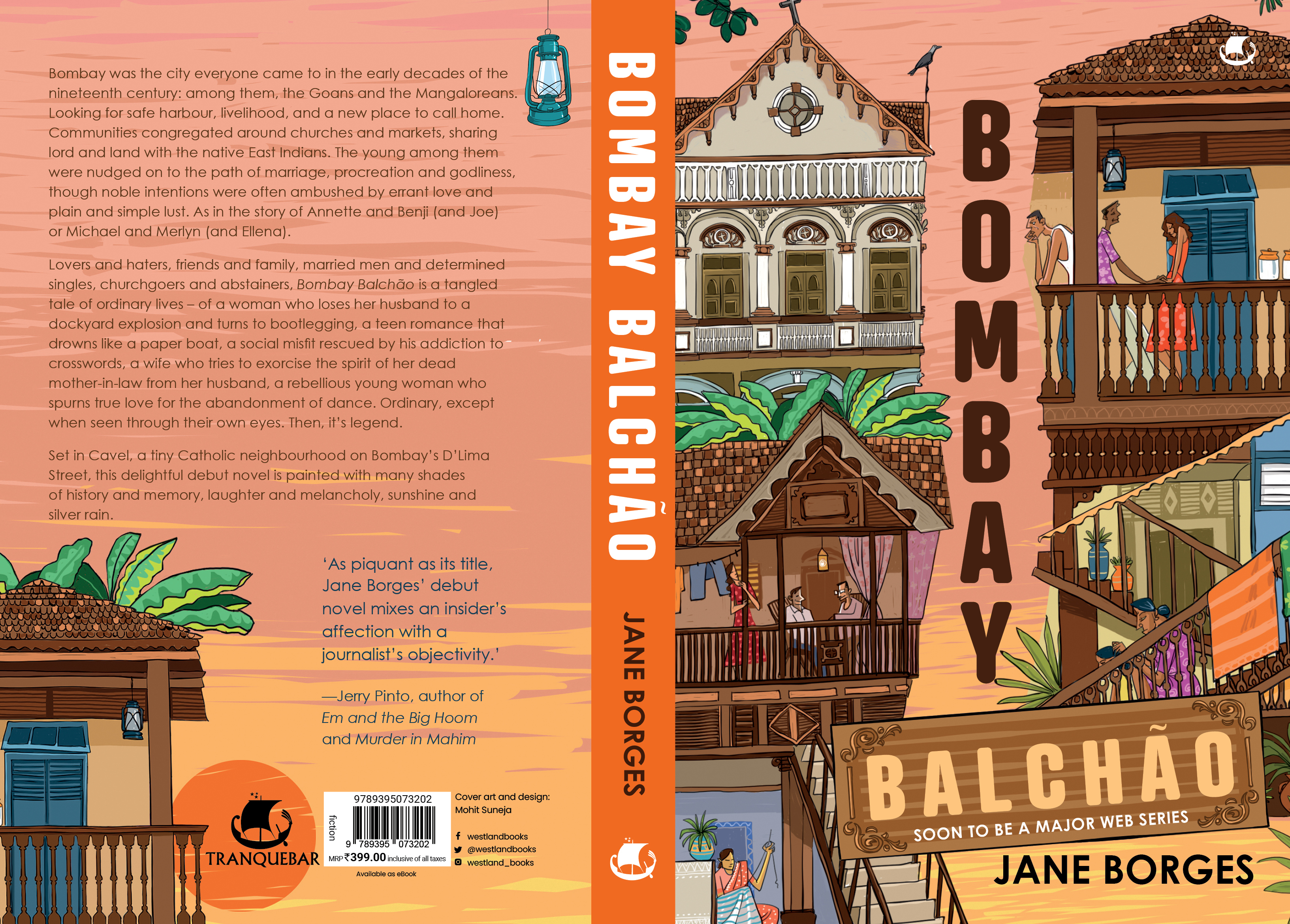
3) Book cover: Bombay Balchão, published in 2019, is set in fictional Cavel, and offers a glimpse into the history and culture of Catholics from Mumbai
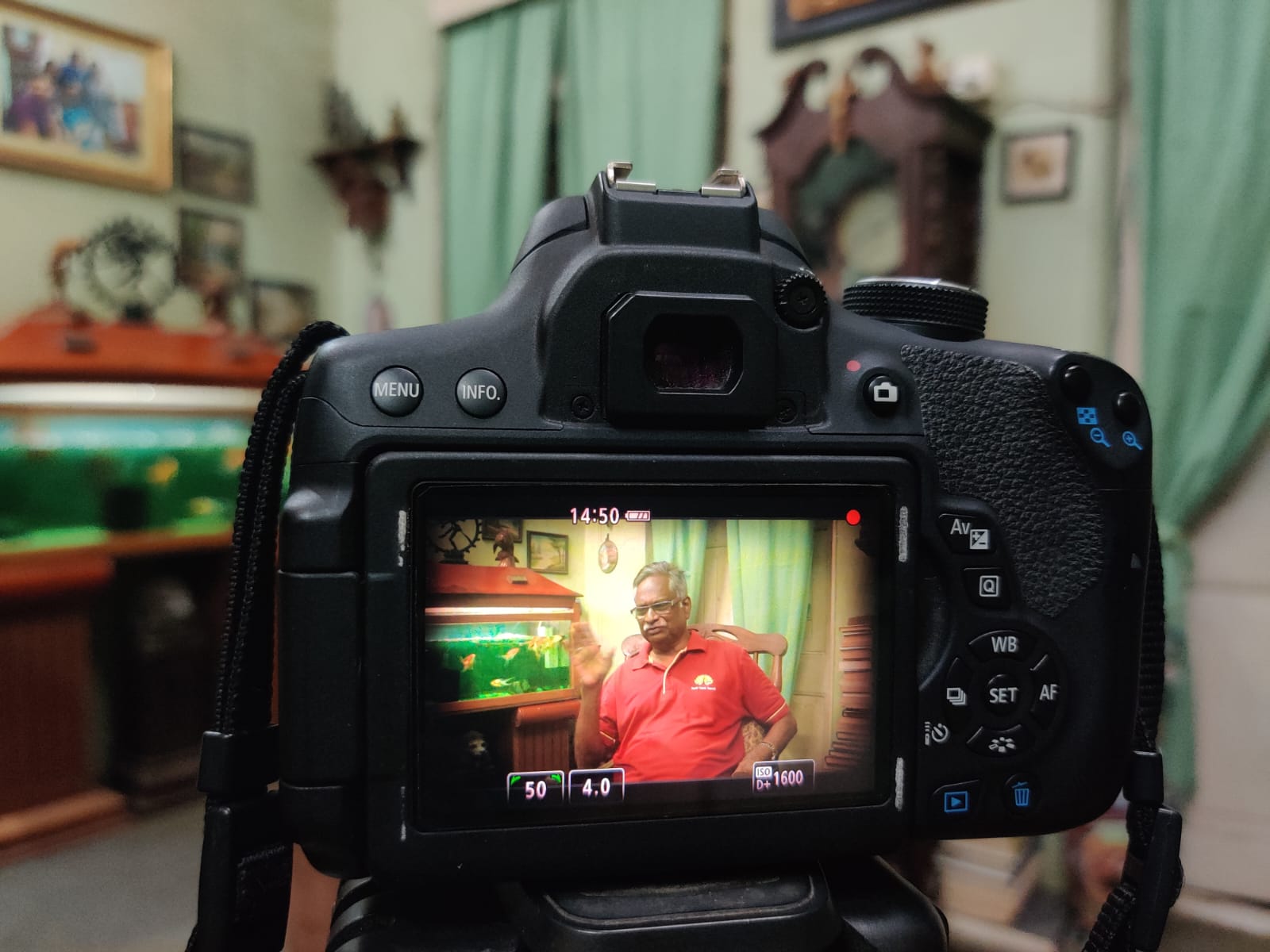
4) Jane Borges interviewing her father, Johnny Borges, for Soboicar, an oral history archive (in partnership with The Citizens’ Archive of India) chronicling the lives of Catholics who migrated to Mumbai from the Konkan region and made the city their home.
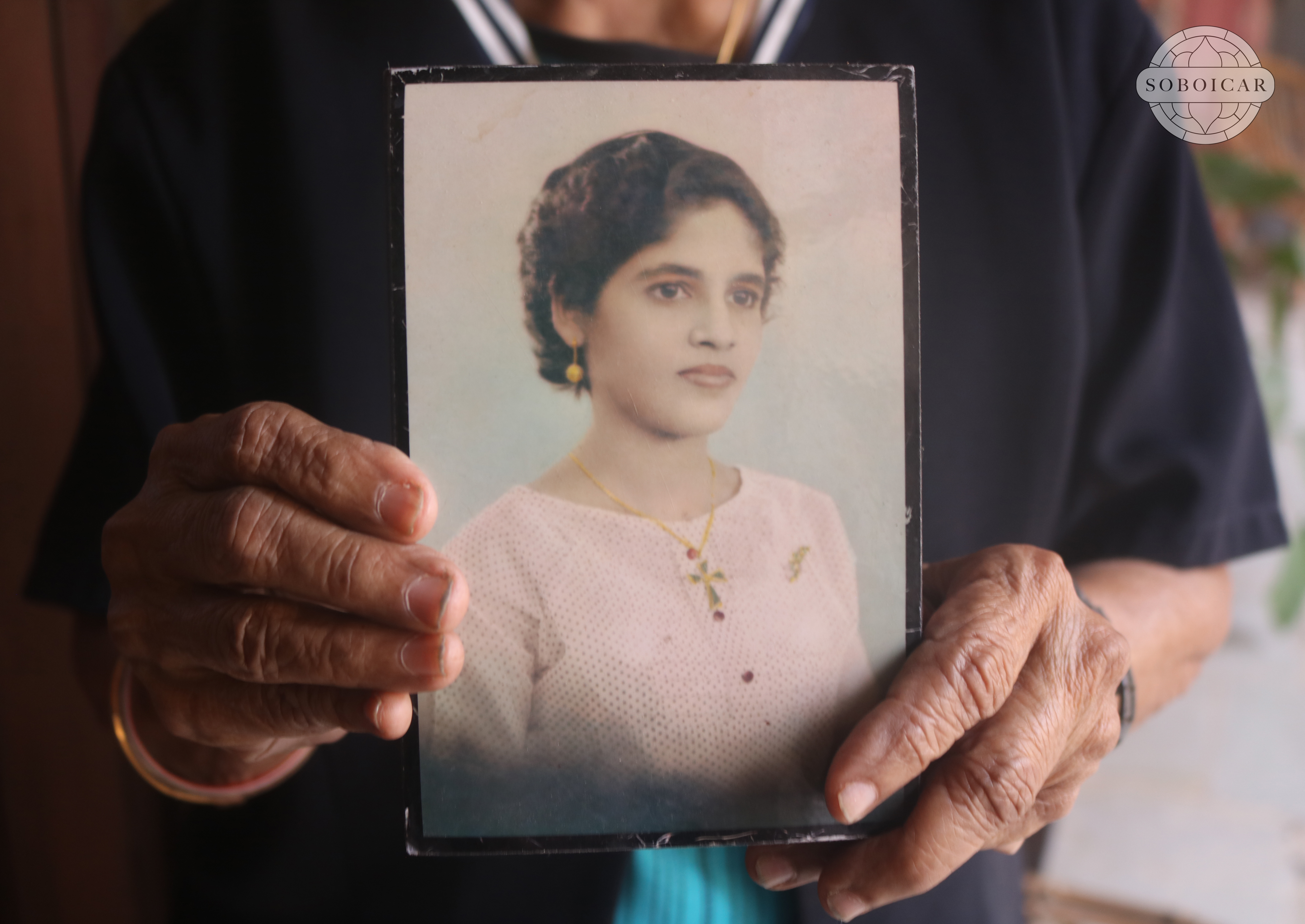
5) Genevieve D’Souza, a resident of Dabul in Chira Bazaar (Mumbai), holds a portrait of hers taken at a studio in Calangute, a couple of years before Goa’s liberation (1961) from the Portuguese colonial rule. The photograph was among the pictures taken when the family was looking for a groom for their daughter.Genevieve had started receiving marriage proposals soon after she turned 16. “I got my first proposal at my brother’s wedding. A tall gentleman from Lahore—he must have been from the Army—came for the celebrations held in the hall of our home, and danced with me. After some time, he went to my brother and asked him, ‘Is your sister ready to get married?’ My papa or I am not sure my brother said, ‘She has just come out of the eggshell. Not so soon’.” PHOTO COURTESY/Soboicar, The Citizens’ Archive of India.
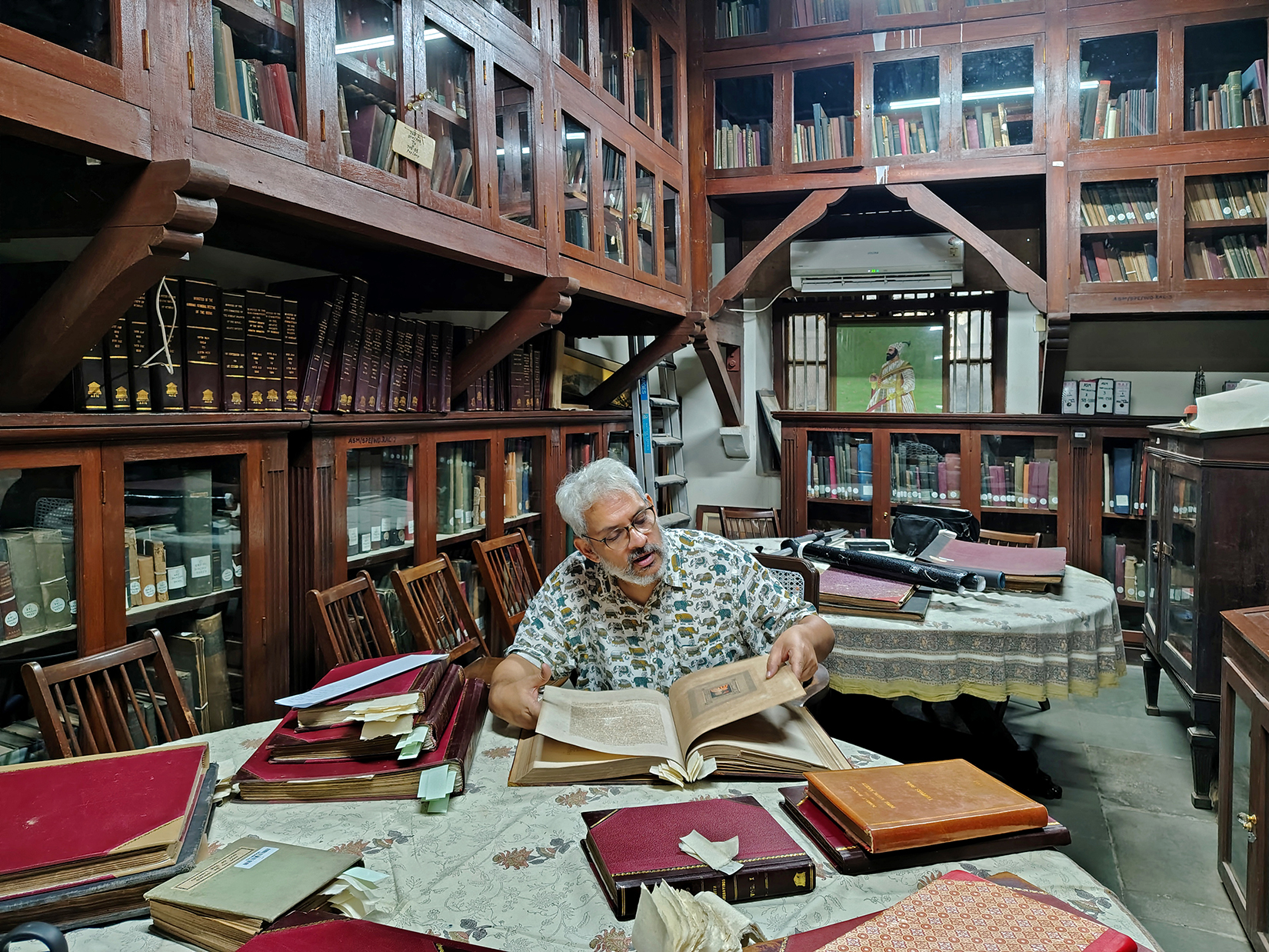
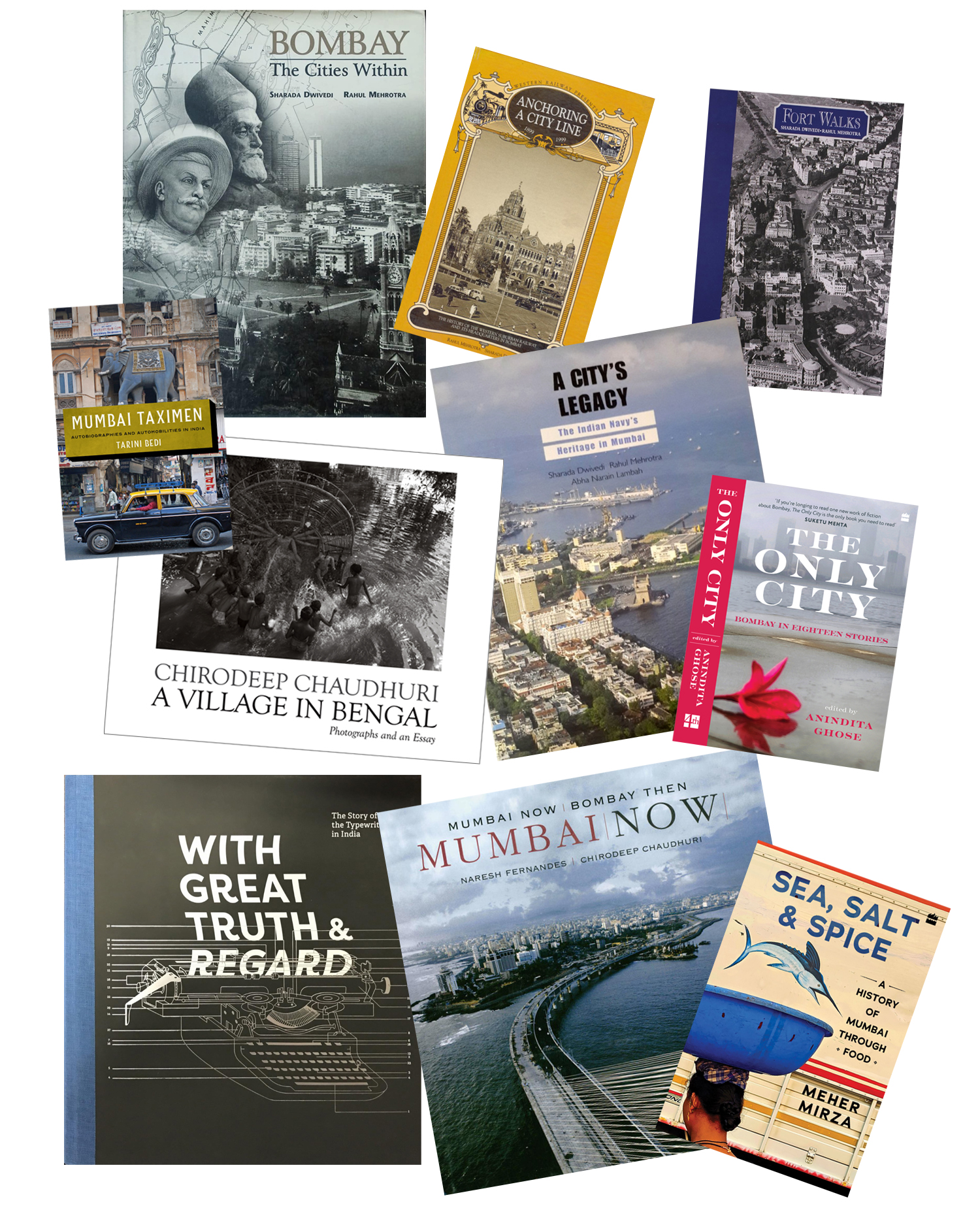
The photographs below have been provided by Chirodeep from his various projects and books:
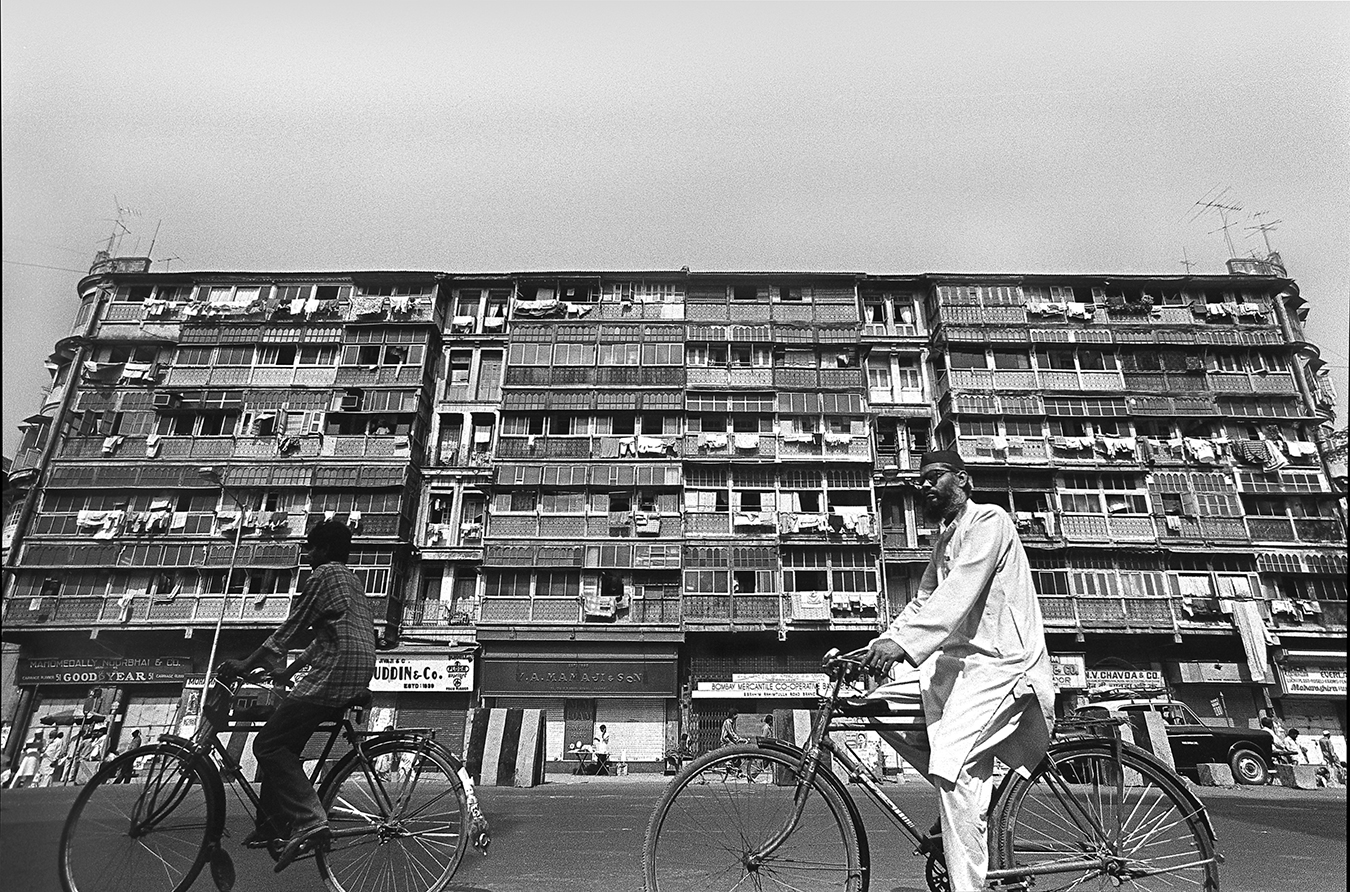
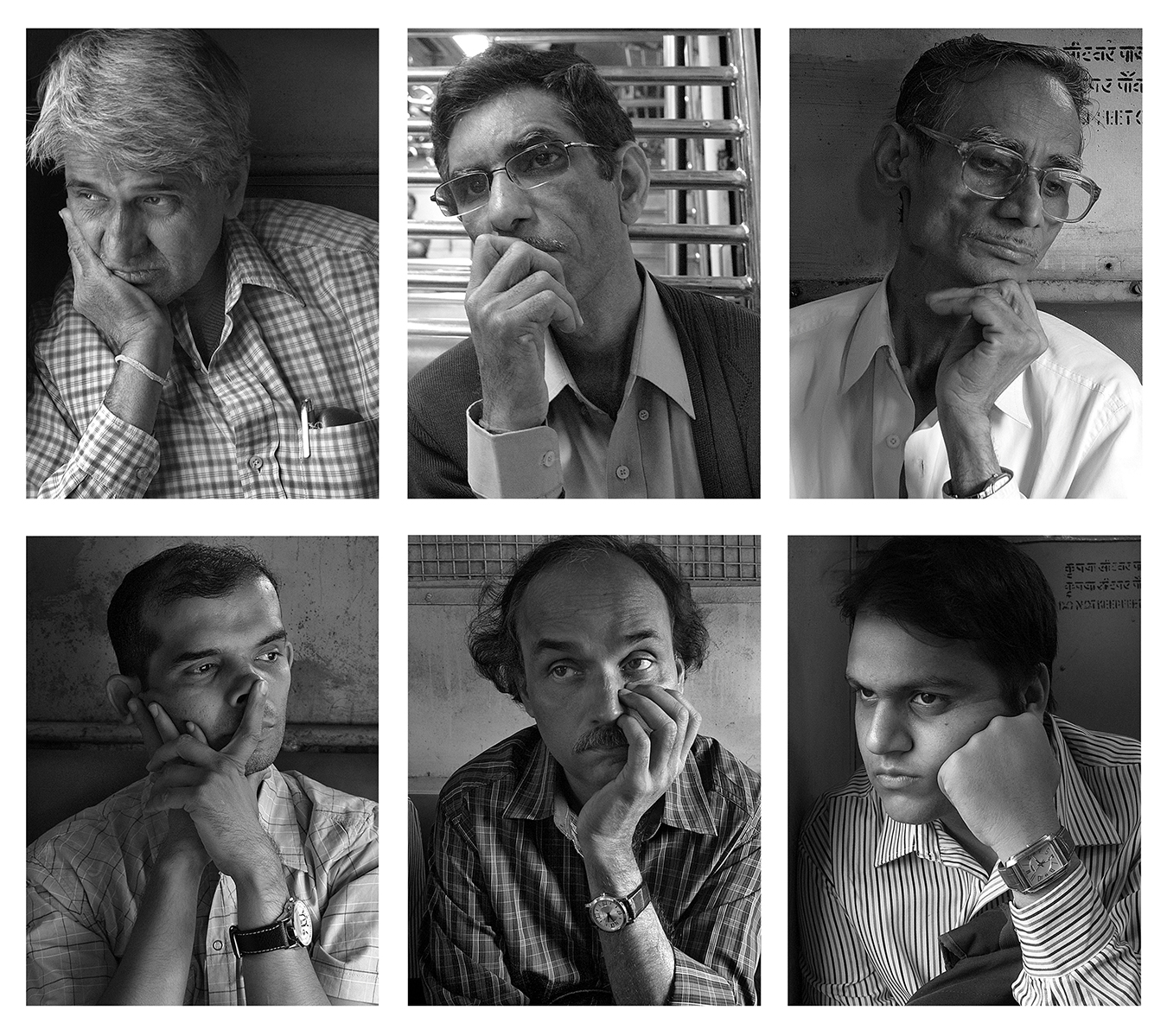
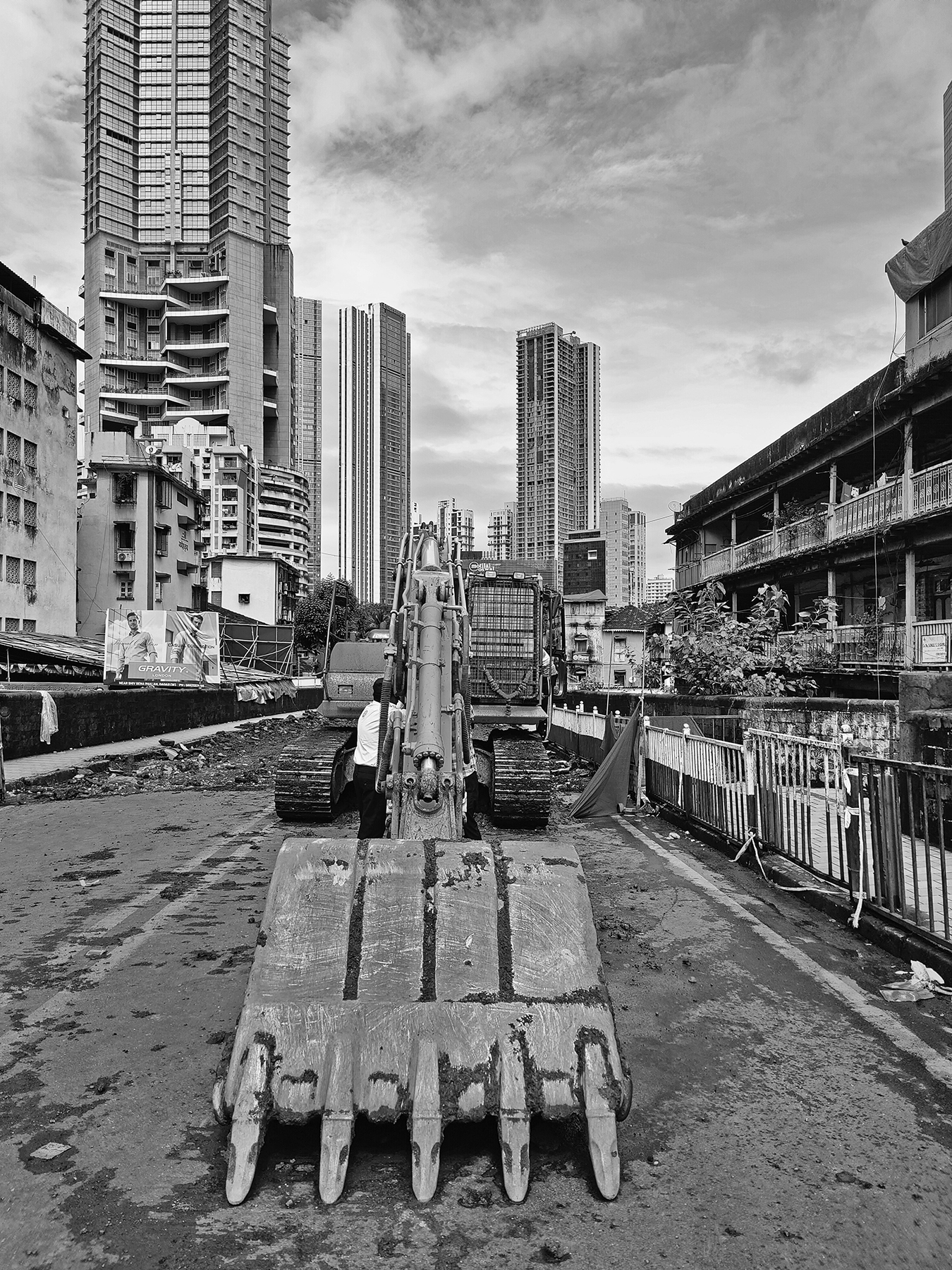
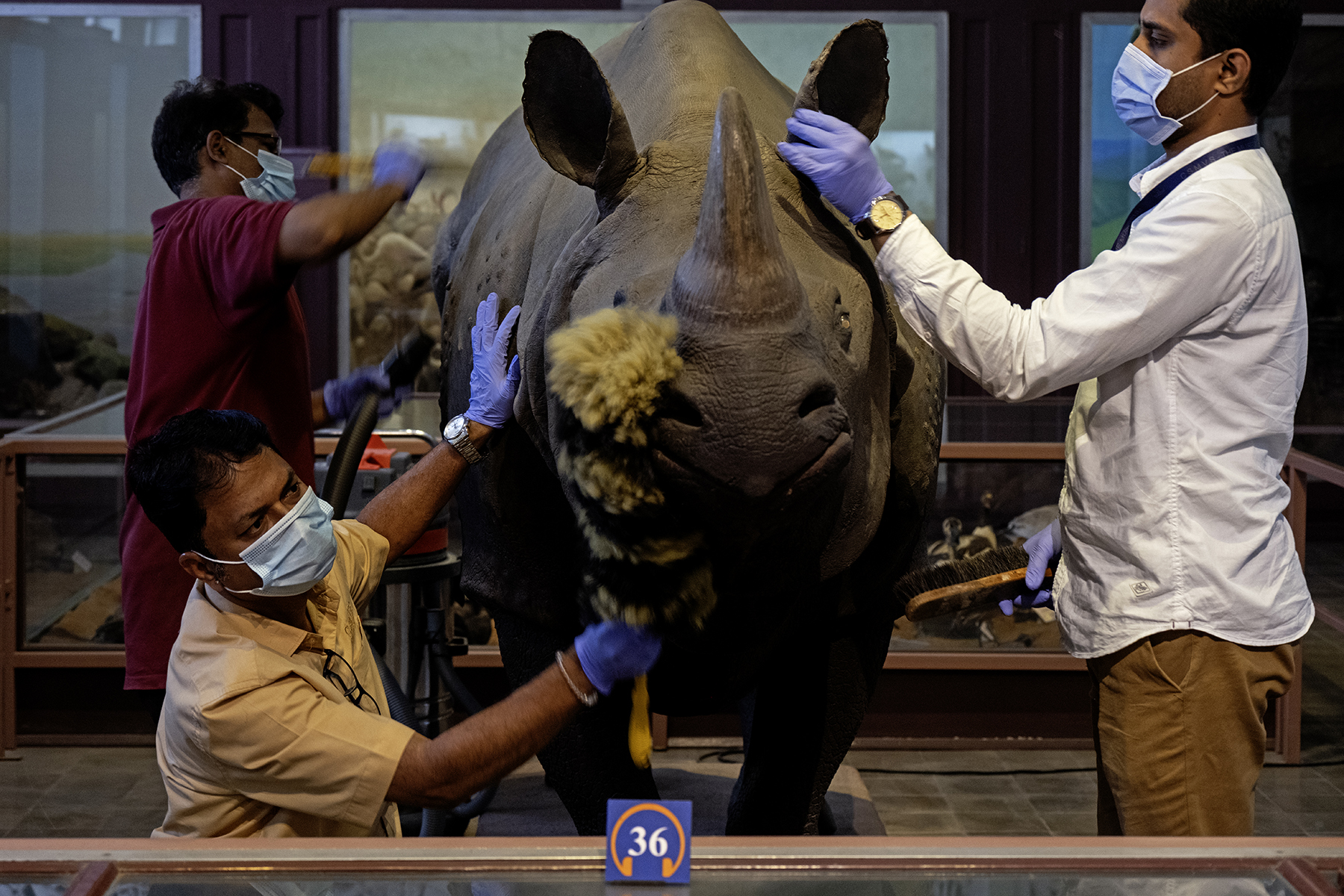
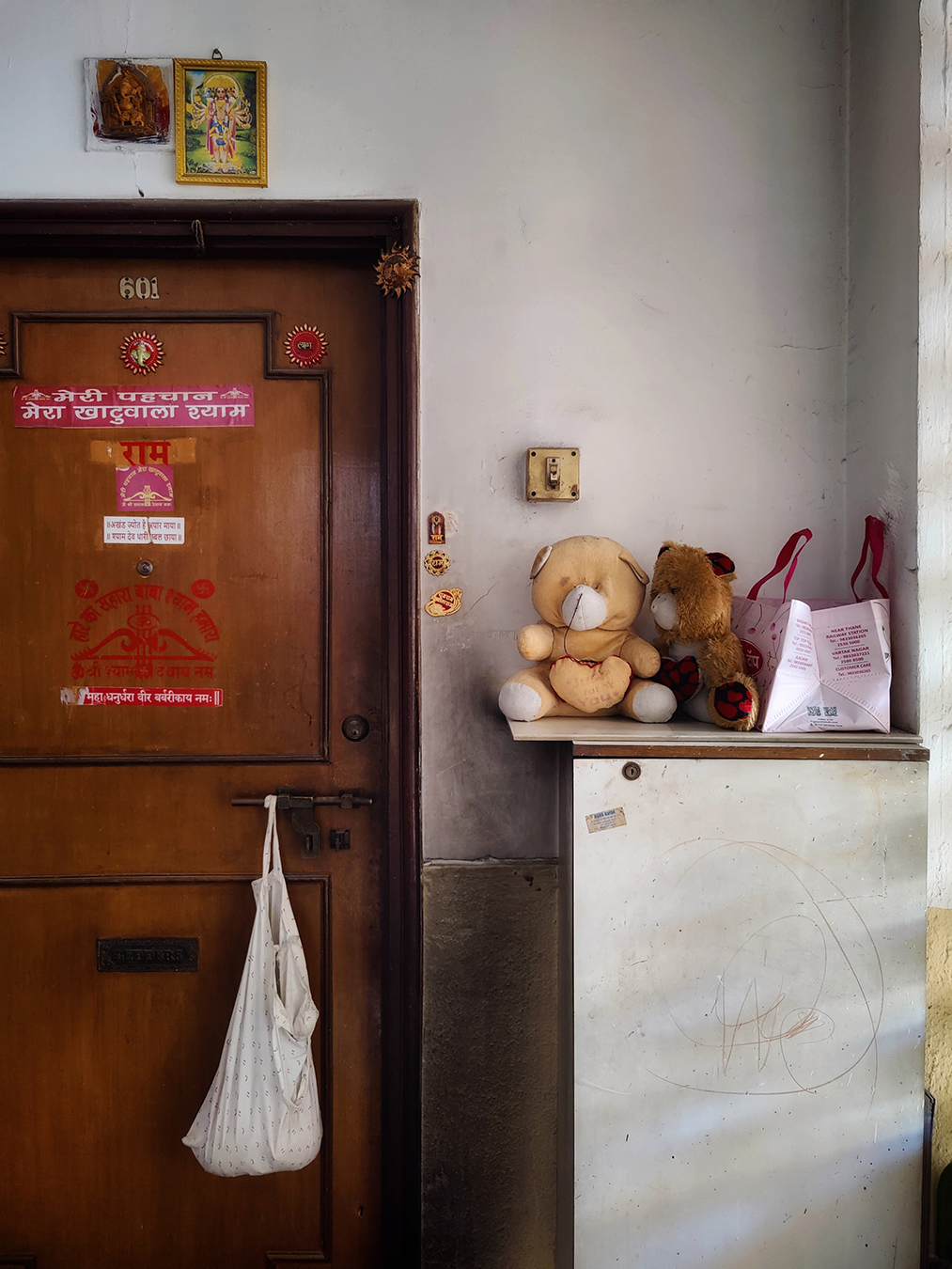
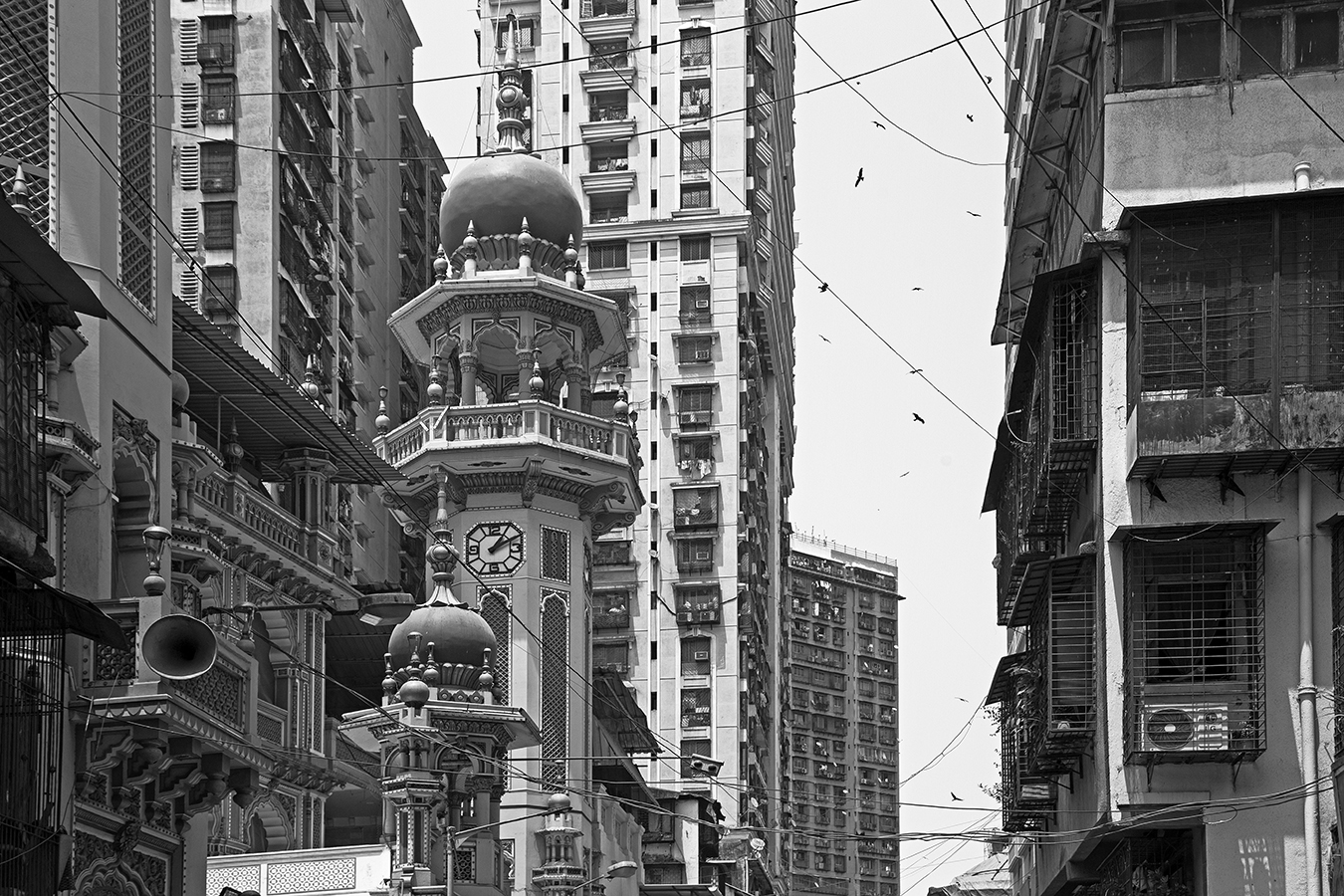
MuMe Matters is an endeavour by ‘The Museum Memories Project’ to make people come together, learn from experts and professionals from various fields on how museums and cultural heritage can become accessible and inclusive.
In a world of pandemic, wars, infants being killed, mass scale human migration and fight for bare existence due to climate change, and history used to fuel violence. 3 questions that are bothering and needs to be discussed:
1.) Do we still need museums?
2.) Is history pulling us back from creating a peaceful world?
3.) Why save cultural heritage? For whom?
We would like to use this platform to reflect, discuss, debate and find the way forward.
We visualise MuMe Matters as an interactive, invigorating, educational, exploratory and knowledge sharing catalytic space to initiate dialogues and spur conversations around important themes which have hitherto escaped highlight.
Form: Discussions with practitioners and professionals who have ample experience in their field and would like to share their knowledge and expertise to help connect different communities.
Themes: They would range from those in the fields of museums, art, craft, design, culture, heritage, architecture, conservation, curation, mental health, LBTQIA+ , senior citizens, people with disabilities, music, dance, theatre, literature, oral histories, education, archive, sports, children, learning difficulties and others.
The session would start with a brief introduction to the speaker, focusing on their work, from the beginning, the process, the present, and the future. The speaker will share their experience in relation to specific projects and the problems they faced, if any, and their solutions. If there are unresolved issues or suggestions needed to go forward, then could be addressed here.
Previous discussions:
#1 – Theme: Queer Inclusion in Indian Museums
Objective: The idea behind this event is to gauge opinion if there needs to be inclusion in a museum. To comprehend measures that the LBTQIA+ community thinks is necessary to make museums more accessible and inclusive and make them places with equal opportunities. To formulate a report where ideas and opinions of the audience/contributors are highlighted.
Date: 11th July, 2021, Sunday
#2 Theme: Pandemic lessons for Indian cultural heritage
Objective: The idea behind this event is to understand the challenges, need and urgency of conservation architecture. We would like to know if India has a well planned approach for engaging local communities and their indigenous knowledge systems in the preservation of cultural heritage? Your vast years of experience would help us address the several problems and their solutions.
Date: 15th August, 2021, Sunday
#3 Theme: The Bihar Museum branding & identity design background story
Objective: The idea behind this event is to understand the challenges and importance for branding and identity design for museums in India. Is branding a ‘bad word’ for the museum sector or can we learn how it works in reaching out to various audiences and gives longevity like the Bihar Museum? We share our story behind creation of ‘The Museum Memories Project’ brand.
Date: 12th September, 2021, Sunday
#4 Theme: Empowering India’s youth through Heritage
Objective: Usha Varia shares with us her strategies of empowering the youth of Gaya, Bihar, through cultural heritage by engaging them in what they like to do, from digital marketing to making reels
Usha Varia, the Founder of Samoolam, is a social entrepreneur and inspiration in the world of Indian craft and design. She founded Samoolam, which started with 3 and now empowers over 300 women in Gaya.
Date: 24th March, 2025
#5 Theme: Looms of Change: Weaving happy lives
Objective: Nanditha Sulur is a textile designer, engineer and educator who runs weaving units for Indu Silks and AGOWIG to provide employment to weavers, design lustrous silk saris for working women, and upscale waste into new products, ensuring simple living and high thinking.
Date: 20th June, 2025
………
VarnikaDesigns launched ‘The Museum Memories Project’ in April 2020.
Each of you can share 5 memories with any museum you have visited anywhere in the world – email your museum memories to: museummemoriesproject@gmail.com
Your entries can be in any language, including sign language, photos, videos, poetry and doodles
Follow us on:
Instagram: museummemoriesproject
Website: http://www.themumeproject.com
YouTube: themumeproject
#projectinterpret #varnikadesigns #museummemoriesproject #jadugharjourneys #access #inclusion #museums #memoriesforlife #art #culturalheritage #designeducation #oralhistory #curation #research #mentalhealth #depressionmatters #archiving #curation #incredibleindia #travel #storiesofindia


Leave a Reply