
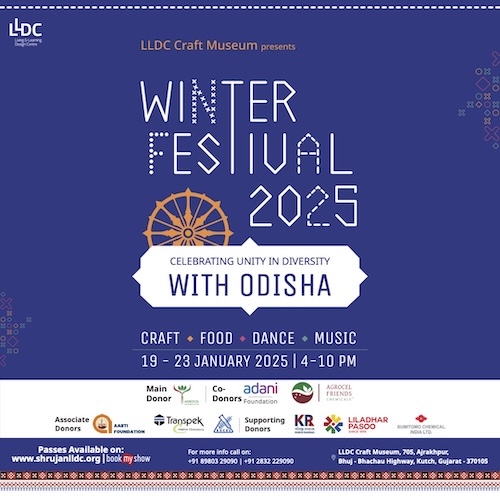
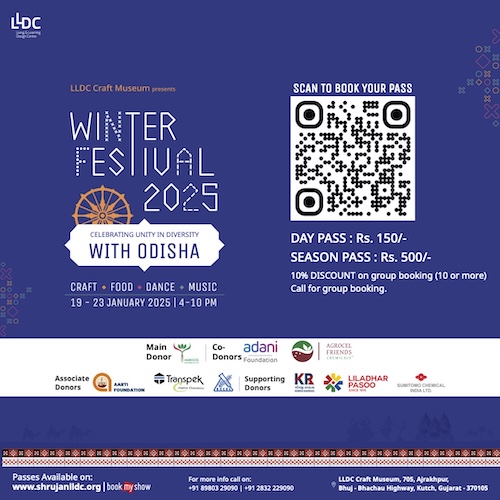
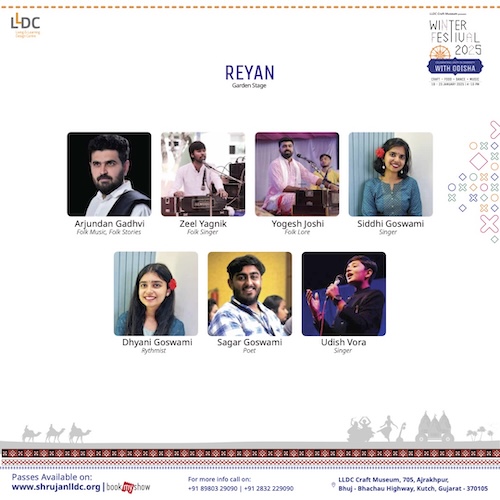
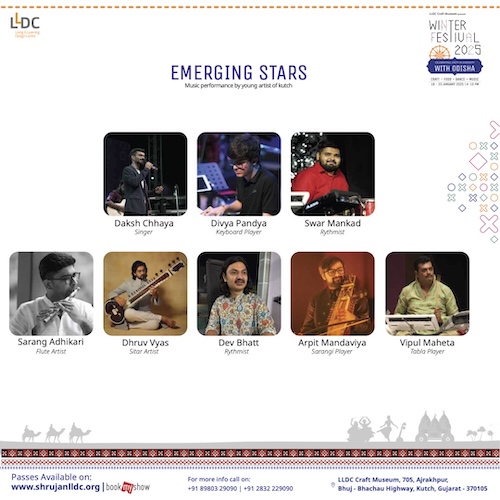
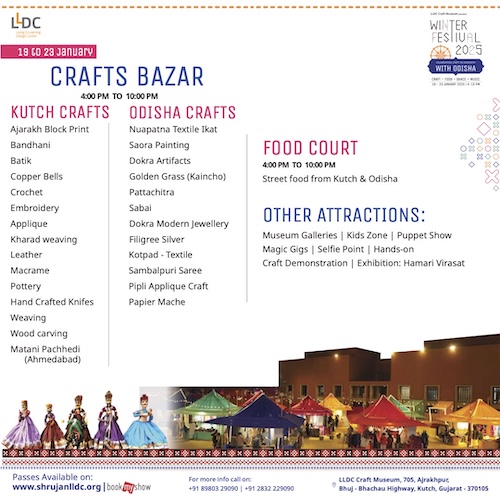
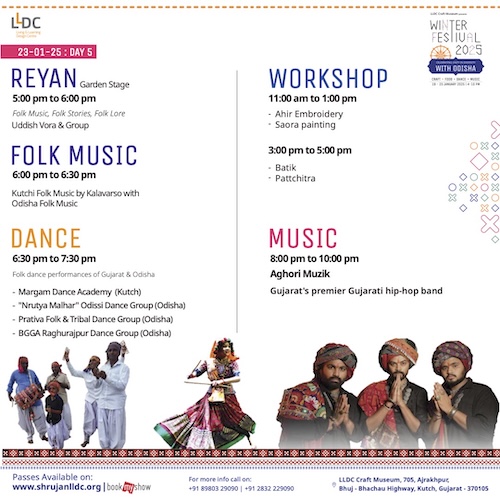
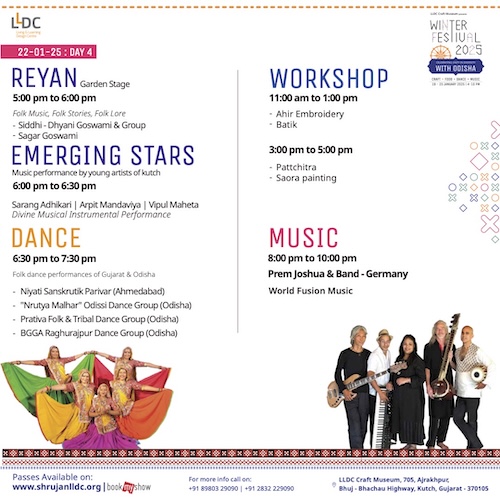
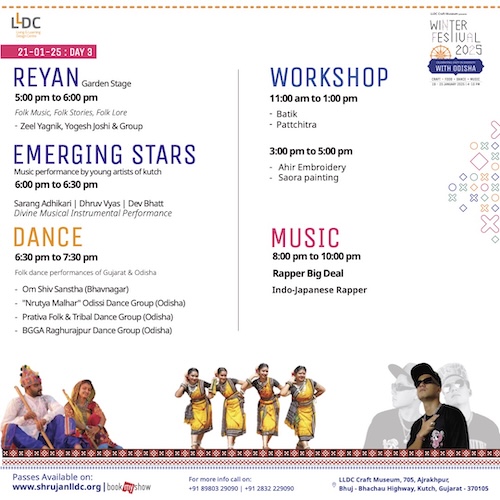
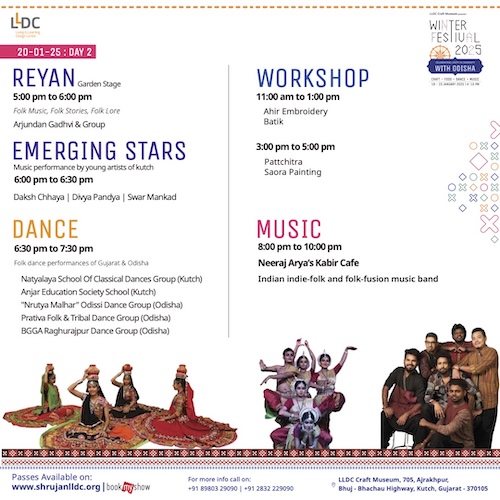
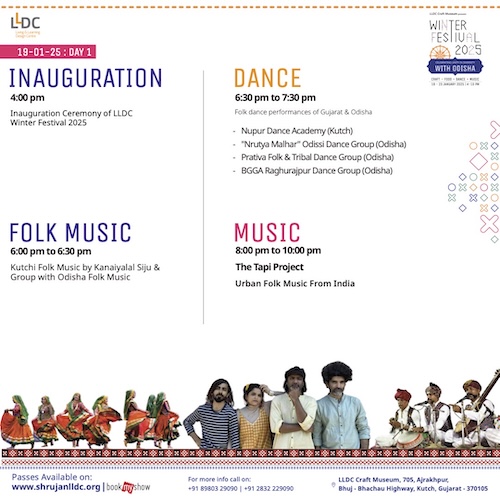
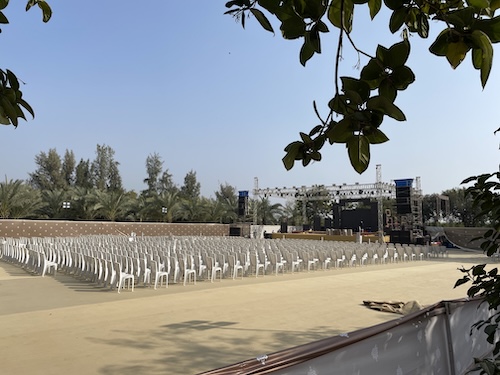
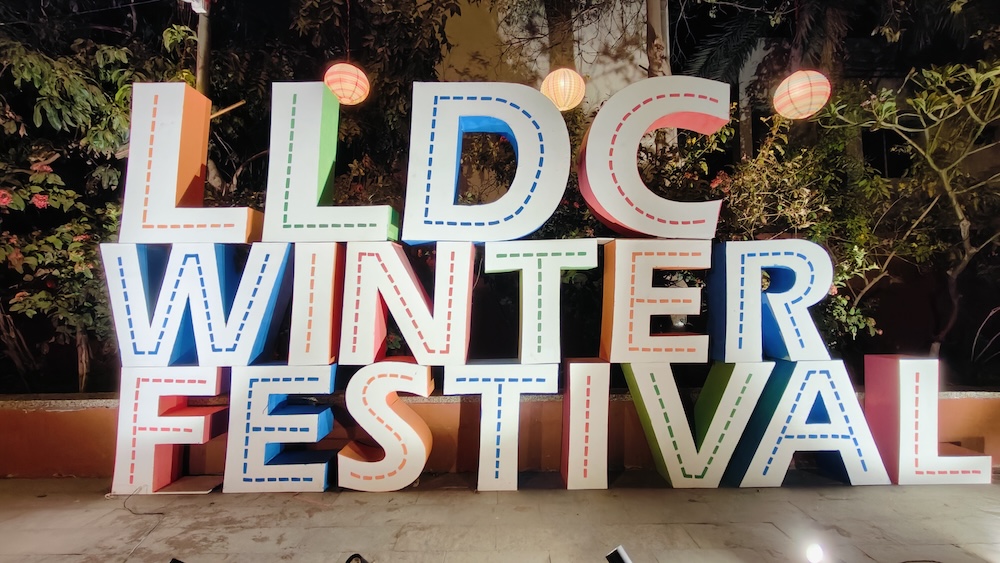
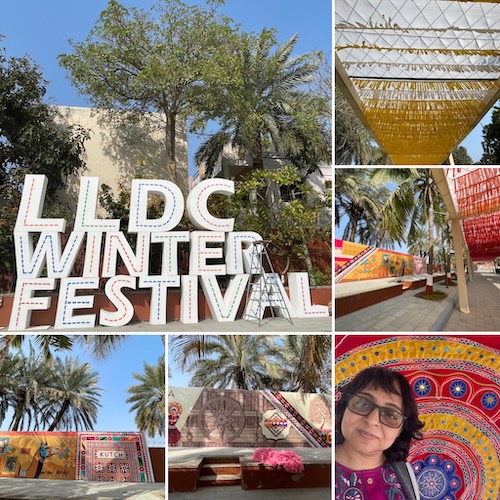
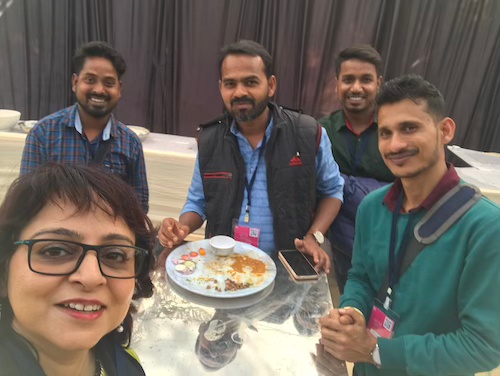
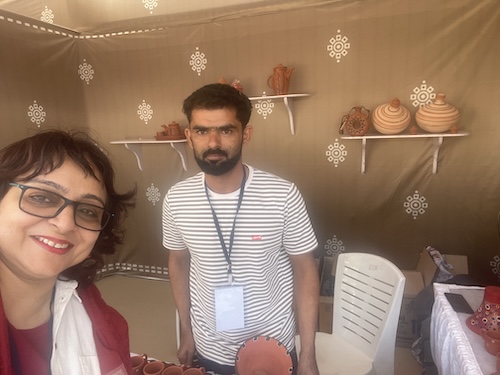
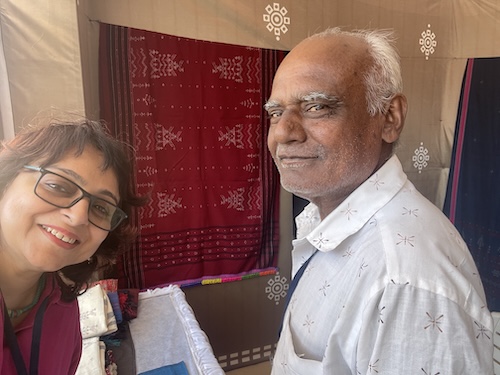
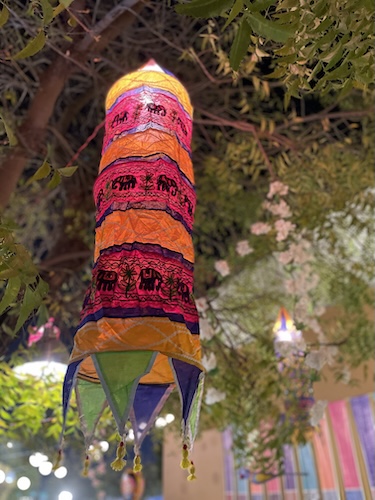
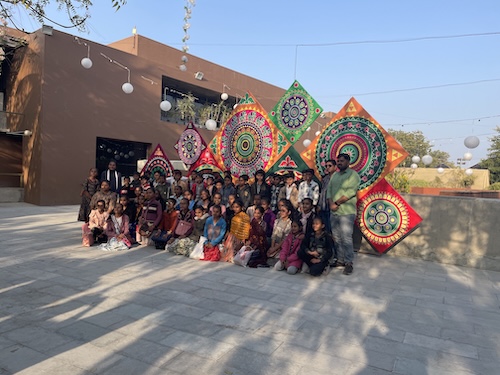
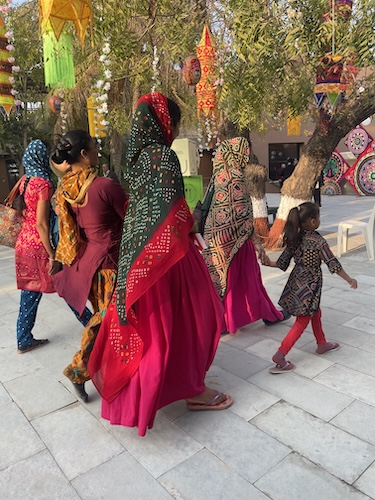
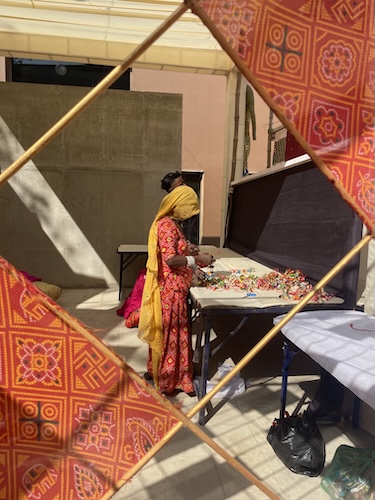
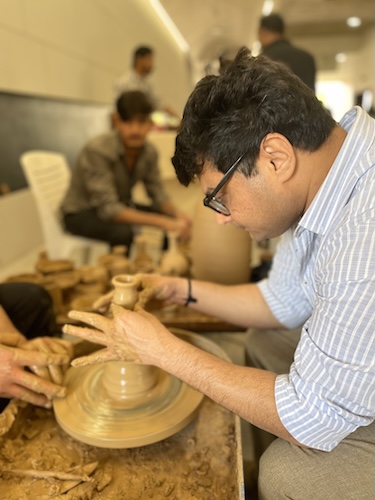
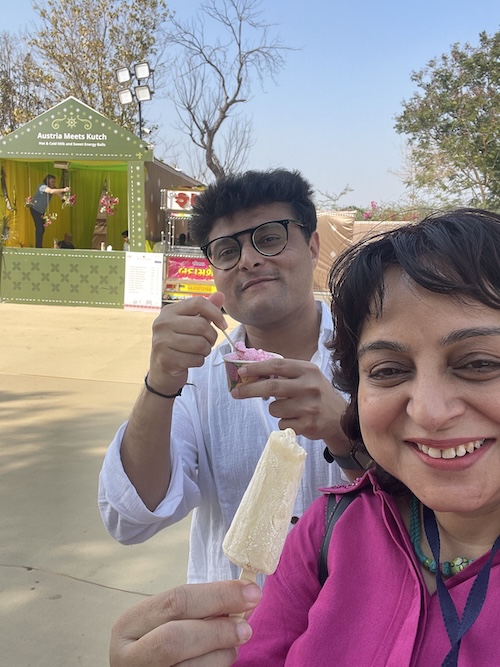
VarnikaDesigns collaborated with Living and Learning Design Centre (LLDC) at Ajrakhpur, to present to the world the concept and thoughts behind their amazing Winter Festival, held during January 19 – 23, This year 120 artisans, musicians and dancers were invited from Odisha to the Festival – there were stalls for display and sale of exquisite handloom and handicrafts artefacts with the artisans explaining the intricacies of their work. There were also hands-on workshops by the artisans, delicacies from both Odisha and Kutch in the cuisine section, and an impressive range of music and dance programs by young, upcoming and established artists from both states. There was something in it for everyone!
What got us interested in LLDC’s Winter Festival?
At the beginning of 2025, we raised the concerns: whether we still need museums, does history hold us back from creating a peaceful world, and, who are we saving cultural heritage for and why? These questions have been haunting me for some time and this year – as we celebrate the 15th year of VarnikaDesigns – the focus of our every project and activity will attempt to address them.
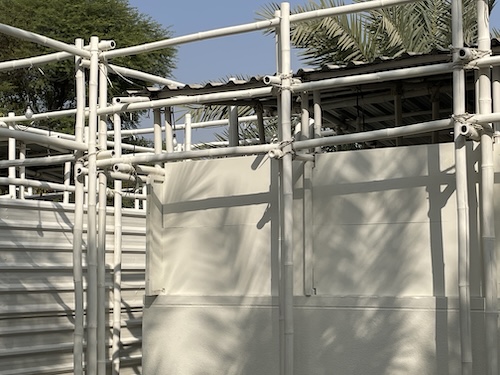
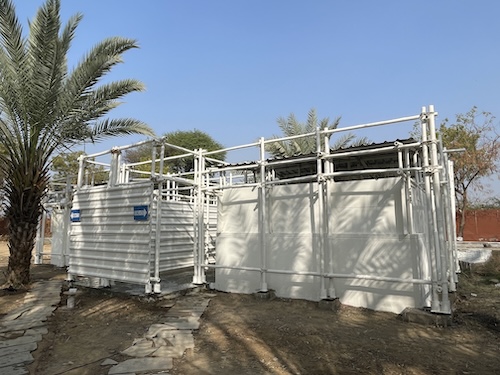
Keeping these in mind, a visit to LLDC (my 3rd) and attending the Winter Festival (my 1st) and interacting with the organisers and the participants was crucial. Over 5 days, I got an opportunity to minutely observe the entire execution of the Festival and the care taken by the organisers to have everything in place, according to the convenience of the participants and the visitors. Would you believe, even the dustbins were painted white and the washroom space was so aesthetically made?!? These are spaces I always check as they reflect the genuine empathy of the organisers.


I interviewed some artisans to understand their artistic journey and their association with LLDC. The link to the interviews with individual artisans is here:
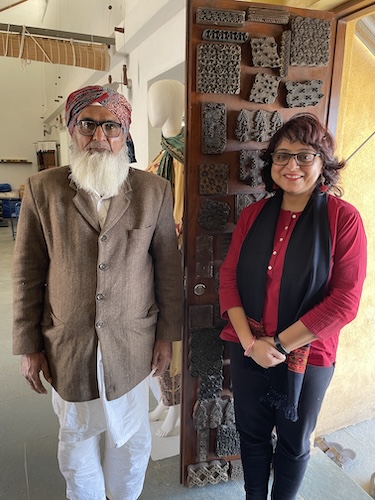
The video begins with Dr Ismail Khatri illuminating us on how cultural heritage can survive. Carrying on the legacy of the printing of Ajrakh block printing since centuries, Dr Khatri feels that it is imperative to attach economic value to cultural heritage else it gradually starts losing its importance as people are forced to resort to other means of livelihood. Even though there is an interest in moving away from medicines to medicinal plants and a healthier lifestyle, we must intently work towards sustaining that interest.
The Ajrakh block printers are carrying on the legacy of hand block printed textiles from Gujarat from nearly 5000 years back, I’ve written about them earlier: https://varnikadesigns.wordpress.com/2024/10/27/fostat-textiles-my-article-on-indias-oldest-love-3/
The TAPI Project musicians felt comfortable at the Festival as they think, compose and sing beyond boundaries, in their opinion so does LLDC. It is a positive feedback to LLDC, that wants to identify as a safe, diverse, inclusive and accessible space.
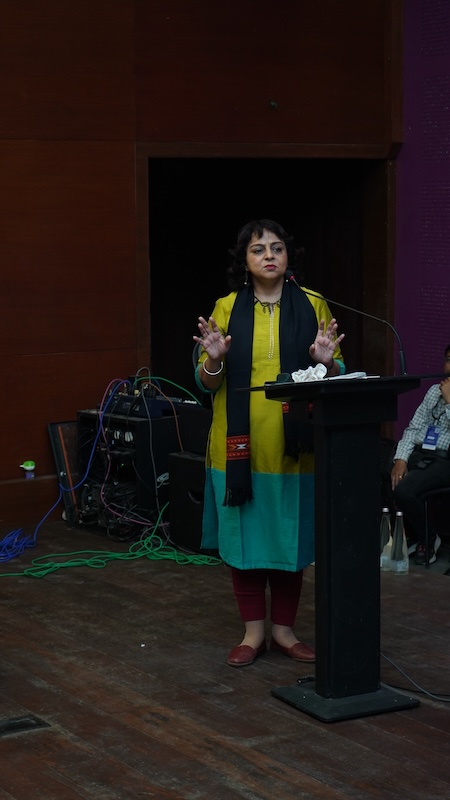
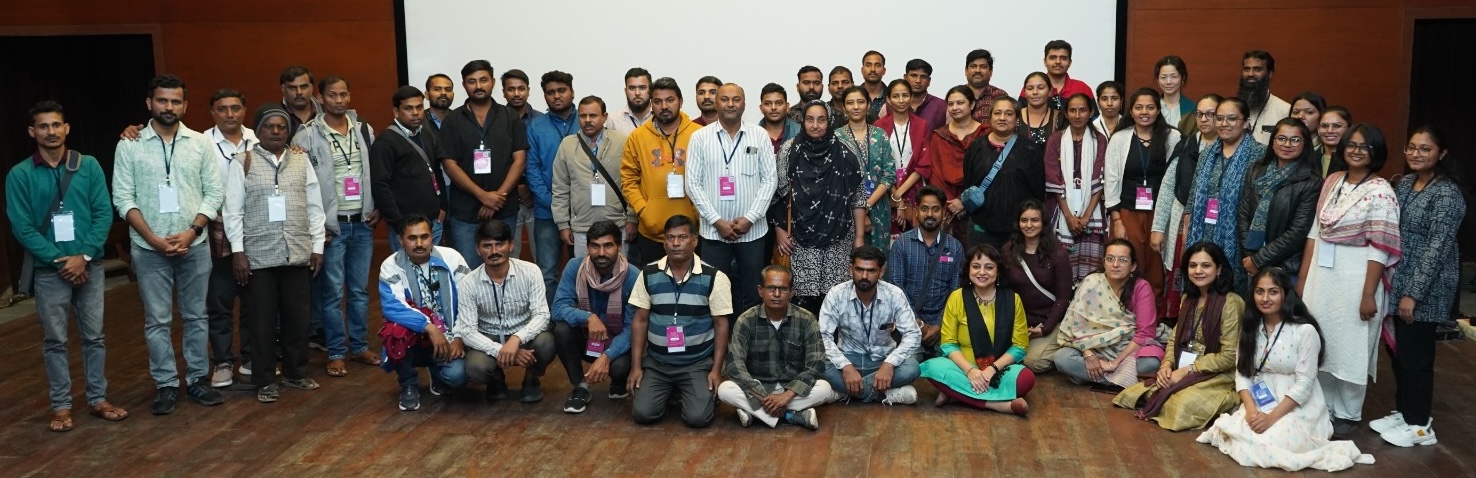
VarnikaDesigns also conceptualised, planned and moderated an interactive discussion between upholders of generations old craft communities from Orissa and Kutch and their custodians. It was such an invigorating discussion that it continued for 2 hours and 45 minutes.
It aimed to be a rich intercultural introspective engagement to understand:
– the shared Indian heritage
– the framing of cultural identities
– the challenges faced by both
– the learning from each other
– the various sustainable systems and approaches
– the way forward
Since most Odisha craftspeople visited Gujarat for the first time, what is their learning and understanding? From LLDC, we are eager to learn how Odisha preserves, conserves and maintains its crafts. What is the research and documentation present there? If institutions like LLDC are essential for the future of cultural heritage in India?
Are there any suggestions for LLDC? Can and should this model of preservation of cultural heritage – of, by and for craft communities – be implemented in Odisha?
The link to the entire discussion is here: https://www.youtube.com/watch?v=rjd_isTJC3s
What is Shrujan?
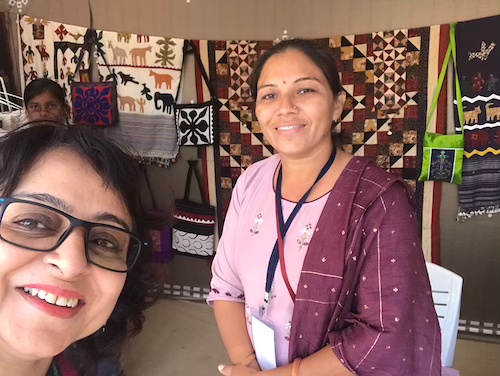
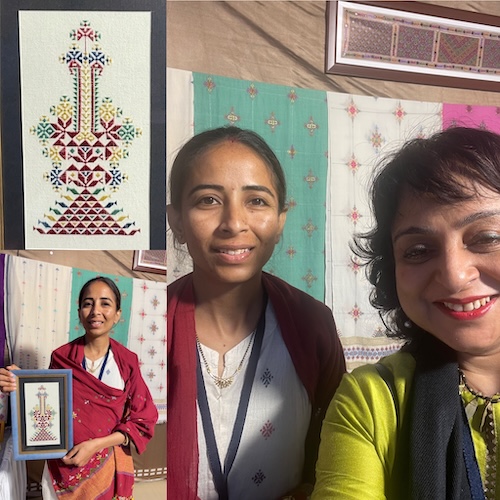
Most will be aware of the NGO Shrujan, started in 1960s in Bhuj by Chanda Shroff – still warmly referred to as ‘Kaki’ – another term for mother. Like a loving mother, she ensured most women of the region became financially independent and self-reliant through multiple ways of using their highly skilled embroidery – making activity.
The entire region of Kutch is presently largely a desert. Earlier, this was home to the greatest Indus Valley Civilisation, one of its most important cities, Dholavira, still exists in the white Rann of Kutch. A nearly 5000-year-old Civilisation disappeared due to unknown reasons, a mystery since its script is yet undeciphered. But somehow, we wonder, did some of the people escape before the final fall of this massive Civilisation?
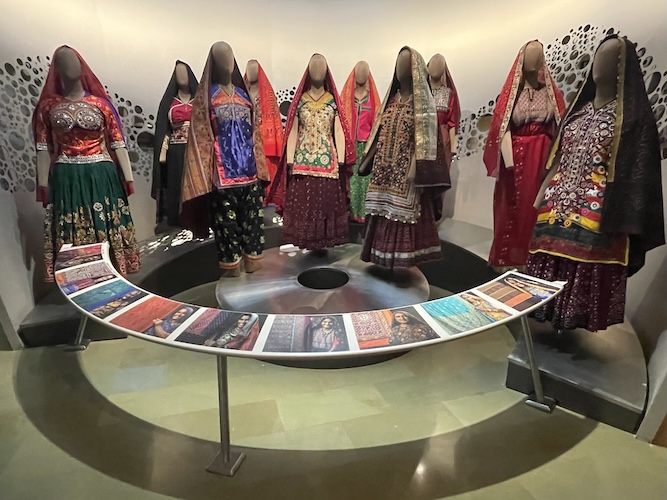
Kutch is an important part of the Indian subcontinent due to its ports, shoreline, trade and the 16 communities that live here since centuries. Some communities originated here while some migrated from different parts of the world and settled here – the last migration happened as late as 1971. Hence, there is a multiplicity of cultures, evident to most of us outsiders through facial features, appearance, language, music, dance, cuisine. But do you know how all these communities recognise each other, even from a distance? Through their garments – the colour of the textiles, the headgear and the style of draping. The women can be recognised on the basis of the colour of the textiles and the embroideries on them!!! Even the marital status of the women can be determined by their embroideries – only married women can embroider certain motifs that immediately communicates their marital status – isn’t this fascinating??? And, they have been doing this since centuries!!!
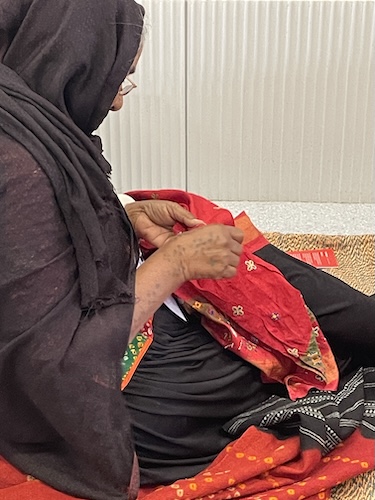
Would like to add here that all the embroideries are made entirely from memory – there is no single design repertoire that has documented the motifs, colours, stitches and their symbolism in the past. These embroideries have been handed down from mother to daughter; the little girl would sit beside the women in her family in their free time and start embroidering her wedding trousseau and her dowry. It is said that on the basis of her embroidery, a young bride would be respected by her future mother – in – law, if the embroidery was without any blemish then it signified she would become a good homemaker.
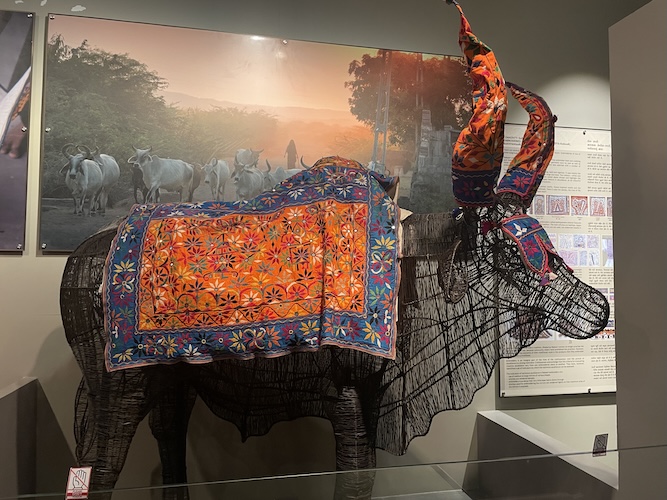
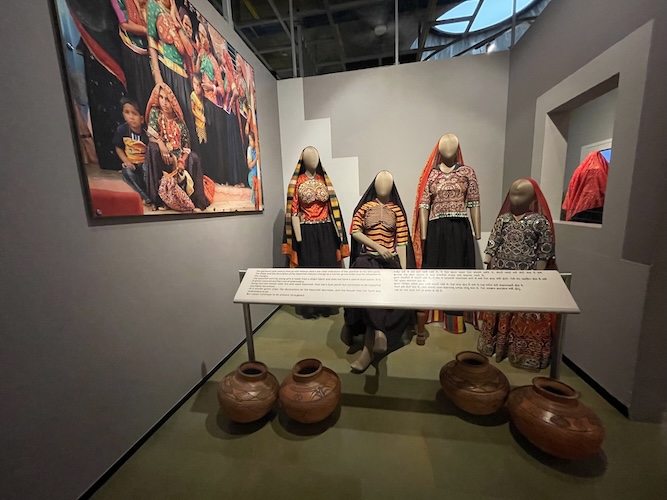
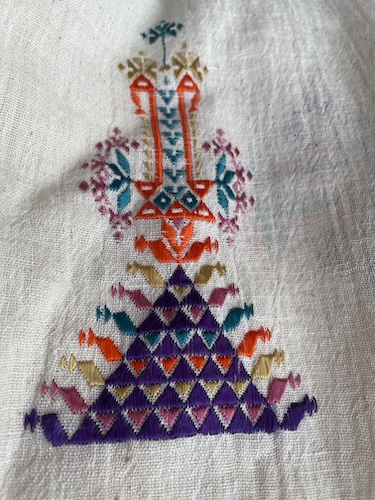
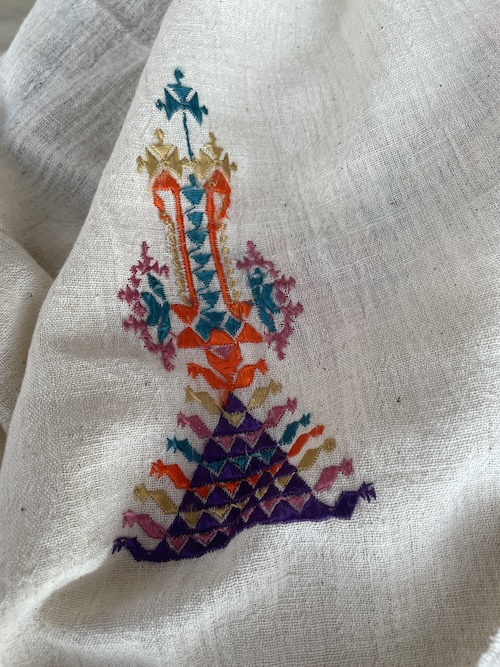
What is LLDC?
Shrujan, has been documenting the embroiders to help the women, especially the younger generations, not only learn of their past, connect with their female ancestors but also find motivation, inspiration and the need to embroider – not necessarily as a financially viable activity but as a space to connect and find love. We have to always remember, the women of Kutch got together to embroider for someone they loved – even after getting married into another village, far away from their own, the young bride, burdened under increasing household duties, would feel her mother’s love through these hand embroidered textiles.
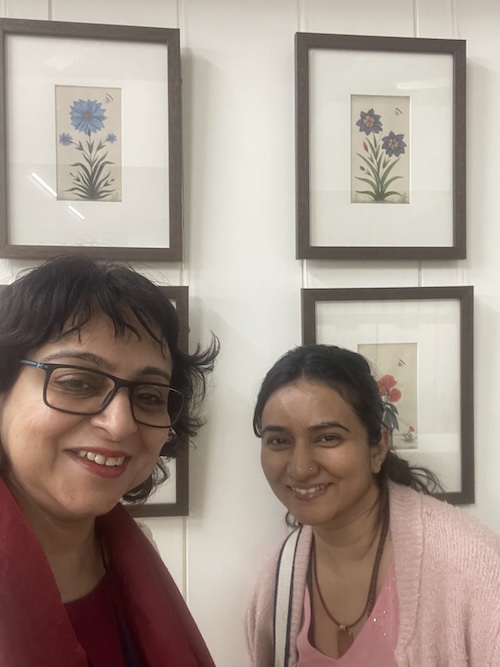
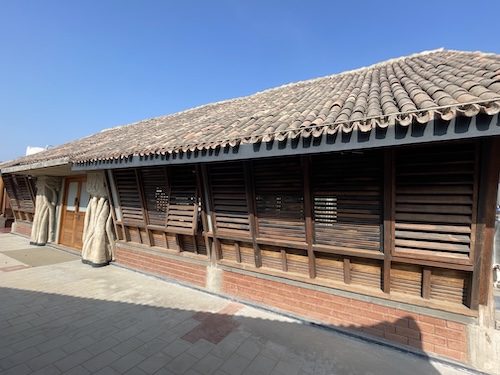
The textile panels that Chanda Kaki had commissioned the Shrujan embroiderers to make in the 1990s, forms the core collection of the Living and Learning Design Centre. Though LLDC calls itself a Crafts Museum, I feel they are a Crafts Community Museum. It was established in 2016 at Ajrakhpur to be a dynamic and safe space for mainly the women embroiderers but extended to the families of all the handloom and handicrafts communities of Kutch, and the world over. Their galleries have been designed as an educational resource primarily for these communities, and then for tourists. How many museums in India even think on these lines?
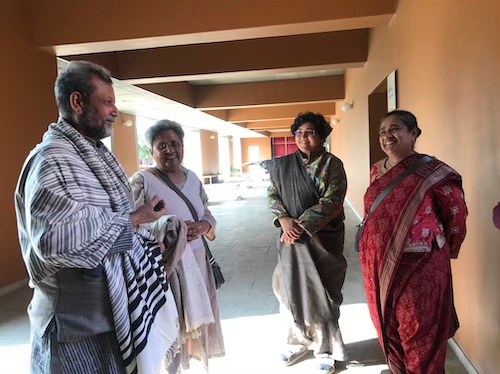
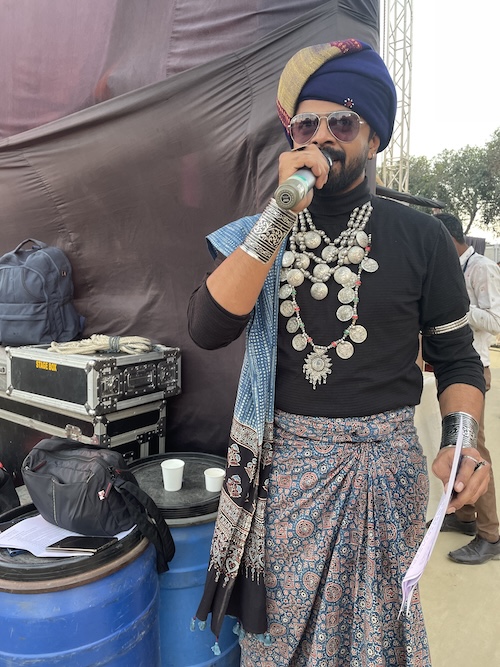
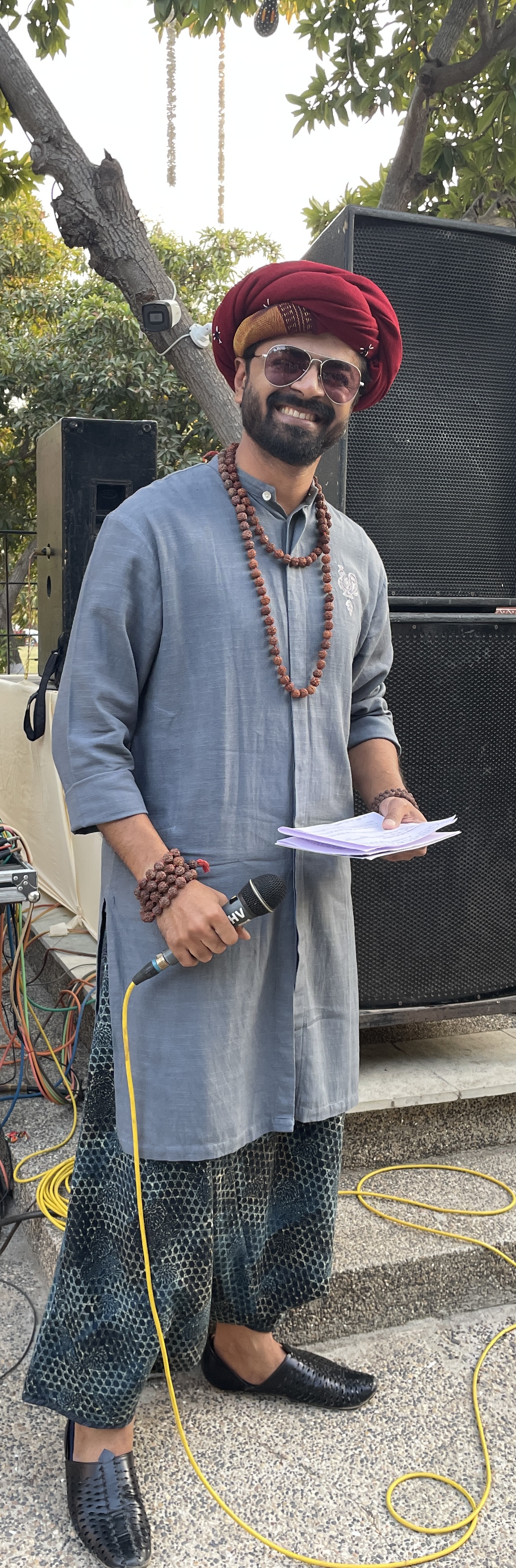
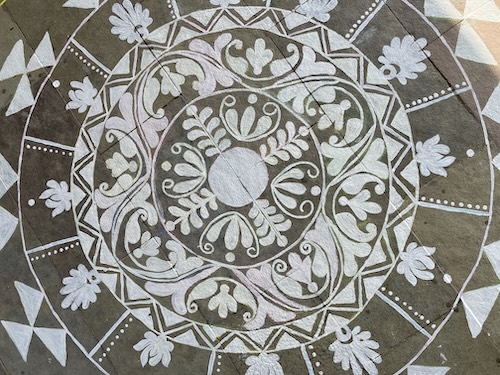
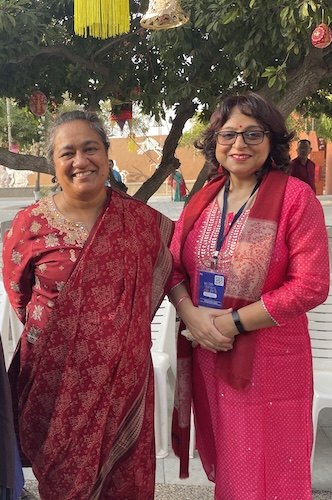
Since 2016, 19 – 23 January, is being celebrated as the Foundation Week of LLDC – the inauguration was made by the craftswomen of Kutch in 2016. More on the Winter Festival from their website:https://shrujanlldc.org/lldc-winter-festival-2025/
“From January 19 to 23, 2025 the Living and Learning Design Centre (LLDC Craft Museum), Ajarakhpur, Tal. Bhuj-Kutch, will organize the ‘LLDC Winter Festival 2025’ with Odisha. For many years, the Shrujan LLDC has been committed to bringing the exquisite art and craft traditions of the artisan communities of Kutch to the world.
In 2018, the LLDC organised its first Winter Festival as Folk Festival and showcased the Kutch communities with their folk dances, music, cuisine, arts and crafts. Subsequently in 2019, the festival showcased the vibrant folk arts of the North Eastern States; in 2020, it celebrated Jammu and Kashmir in collaboration with NEZCC and NZCC. Last year, the LLDC Winter Festival 2024 featured Madhya Pradesh’s crafts and culture. Each of these editions allowed visitors to witness a unique fusion of cultures, enriching Kutch’s cultural landscape and promoting inter-state heritage exchanges.
In January 2025, we will host the LLDC Winter Festival 2025 from January 19–23, with the traditional theme of Craft, Music, Dance & Food with Odisha. This edition of the festival will celebrate the cultural connection between Kutch and Odisha by showcasing exclusive creations from the artisans, live performances, and authentic regional cuisines. We aim to create an enriching exchange of traditions through workshops, craft demonstrations, folk music and dance. By inviting artisans and cultural representatives from Odisha, we hope to foster a meaningful relationship between Kutch and Odisha while promoting cultural harmony.”
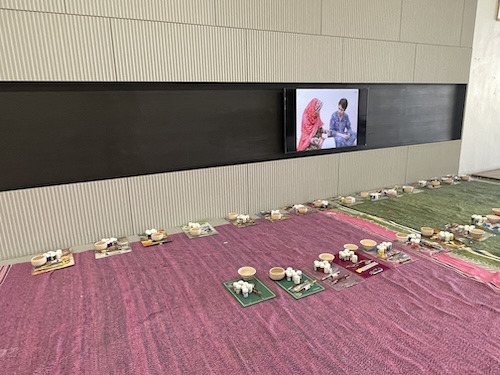
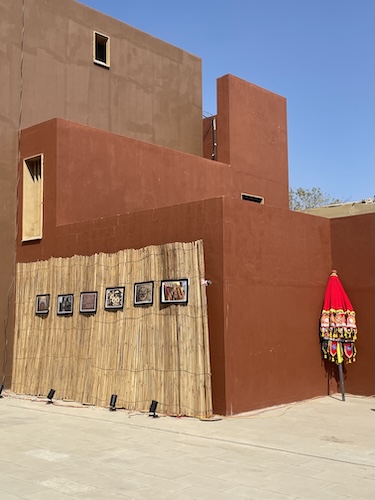
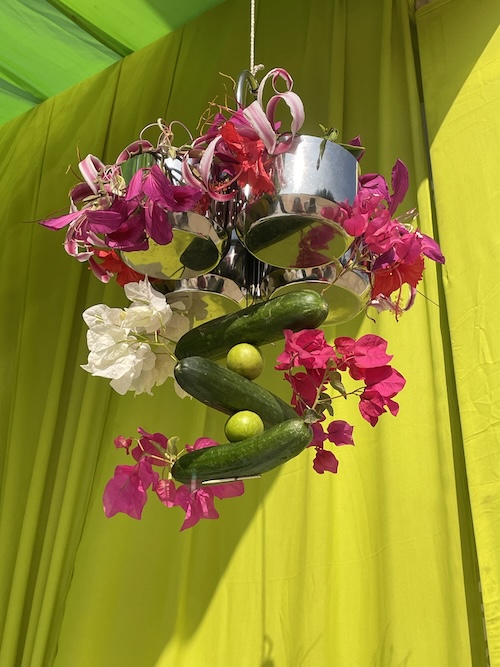
So what do you think? Is LLDC a positive and creative approach to saving India’s rich cultural heritage? Would you like to know more about them? Would you like to visit them? Do comment on the blog.
Thank you Ami Shroff, Rajiv Bhatt, Vishal Makwana, Krishna and the entire teams of LLDC and Shrujan.
Thank you Dr Ismail Khatri for taking out time from your heavy schedule to discuss about the future of our cultural heritage, that includes the daily challenges of existence!
Many thanks to all the artisans for their participation in the discussion and sharing their perspectives.
Thank you Vishal Shastri for the photos and videography, the visits to Bhujodi, Hunarshala and Khamir.
All photos and videos are taken by the author of this blog Poulomi Das, Vishal Shastri and the panel discussion video link is created by LLDC. Kindly give proper credits during sharing of any part/s of the blog, photos and videos.

