
https://courtauld.ac.uk/news-blogs/2023/honorary-doctorate-sonia-boyce-and-asok-das/
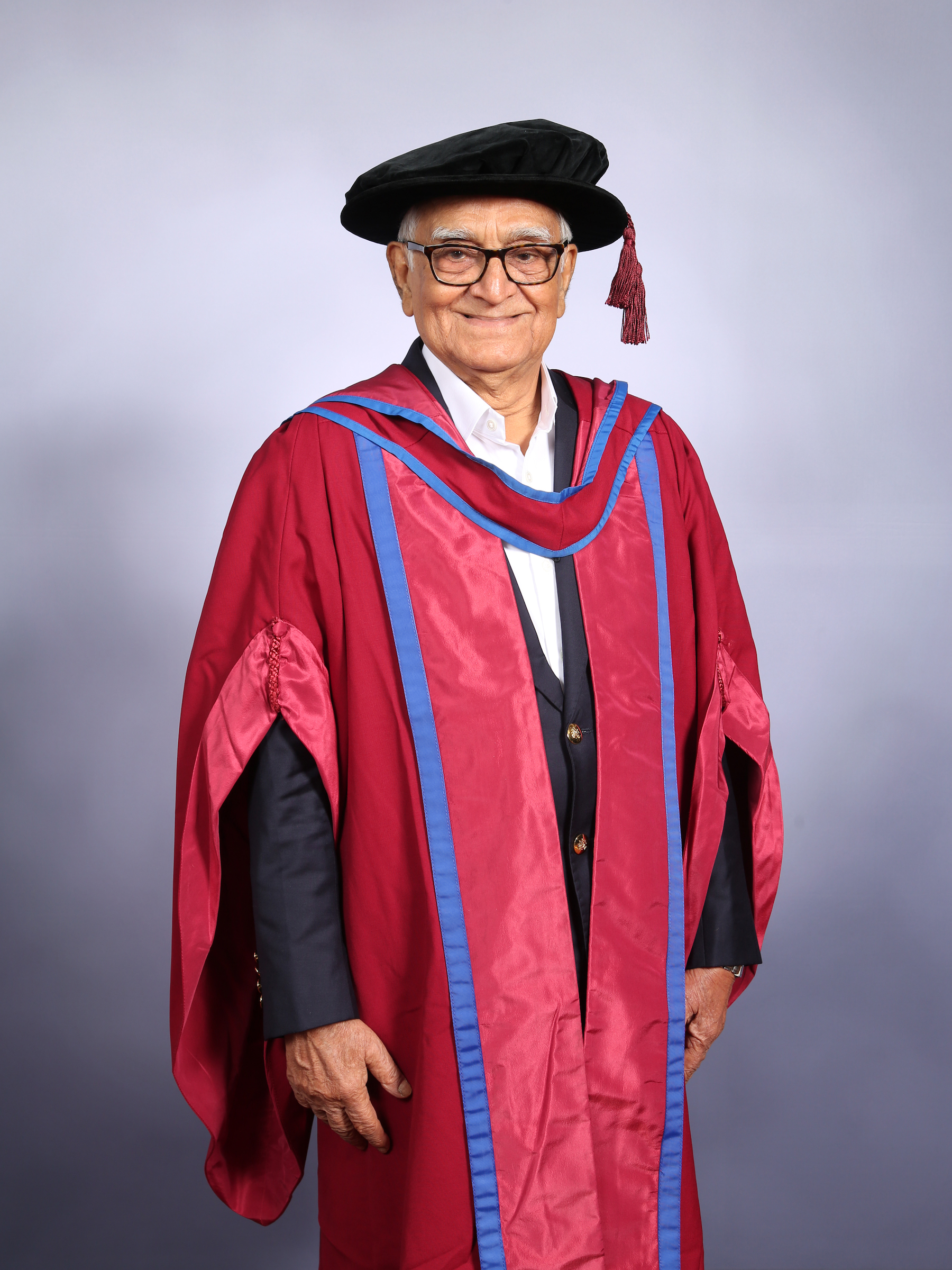
London, UK – 13 July, 2023 – The Courtauld Institute of Art, an independent college of the University of London has announced the conferment of an Honorary Doctorate degree (Doctor Honoris Causa) to the distinguished art historian Dr Asok K. Das.
“Dr Asok K. Das is a distinguished Indian art historian specialising in Mughal and Rajasthani art. A former Director of the Jaipur City Palace Museum, he is an author of several seminal works, and his scholarship has made substantial contributions to the understanding and worldwide appreciation of Mughal and broader South Asian art. Bridging cultural gaps between East and West, Dr Das’s research has reshaped perspectives on the art of the Indian subcontinent, cementing his standing in global art history. Through his exceptional academic career, Dr Das has continued to inspire, educate and encourage colleagues, students and young curators, fostering a rich dialogue between cultures and epochs. He remains an influential figure in broadening the scope of art historical discourse.
The conferring of an Honorary Doctorate underscores The Courtauld’s dedication to recognising leaders in the fields of Art and Art History who demonstrate extraordinary accomplishments and inspire future generations.
Addressing the graduating students Dr Asok K Das quoted poet laureate Rabindranath Tagore: “dibe ar nibe, milabe milibe, jabena phire; Ideas, once given or received, blend into new knowledge, nothing is lost. Learn from those you meet throughout your lives. Keep your eyes open. You will always find something that will raise new questions in your mind and will also help you to provide new ideas and new meanings and ways to address them.“
Professor Deborah Swallow, Märit Rausing Director at The Courtauld, said, “We are thrilled to honour Dr Das, whose diverse and impactful contributions have broadened our understanding of art, globally and historically. His work embodies the international perspective we strive for at The Courtauld, and his achievements serve as a beacon of inspiration for current students, our alumni, and the wider community.”
The Courtauld Institute of Art is a distinguished centre for the study of history and conservation of art. Situated in the heart of London, it is internationally renowned for its collections, academic research, and educational programmes. The Courtauld provides an intimate setting where students and scholars can engage directly with world-class artworks.
The Courtauld’s rich history dates back to 1932 when it was founded by Samuel Courtauld, Viscount Lee of Fareham, and Sir Robert Witt. An independent college of the University of London, Courtauld Institute of Art maintains its academic excellence and independence while benefiting from the rich resources of one of the world’s top universities.”
Dr Das’s acceptance speech and video:
“Chairman, and Members of the Board, Märit Rausing Director of the Courtauld, my young friends present here for their graduation ceremony,
Ladies and Gentlemen, I thank you all for giving me this wonderful opportunity to be present here amongst you to accept the honour awarded to me this morning.
For me it is a long, eventful, and memorable journey that started in a remote village in Colonial India, and passed through stages of observation, education, research, training, work and travelling for more than eight decades. What I observed as a young child in our village has stayed with me throughout my life – the artisans, the crafts persons, ironsmiths, gold and silversmiths, bell-metal workers, dyers and cloth printers, potters, woodworkers, basket makers and sweetmeat makers, and also the village women including the female members of my own family drawing ritual ‘alponas’ – beautiful, impermanent and seasonal wall and floor designs made with rice flour.
When I got an opportunity to come to this great city in the 1960s for study and research for a Ph D project those images from the past helped me to unravel the inherent complexity and beauty of creation of the substantial holdings that I found displayed in the galleries and storage rooms of the British Museum, the V & A, and in other public museums, libraries, and private collections. It was not difficult for me to make out how a Mughal miniature in an illustrated manuscript, or mounted on an album page, represented details of contemporary life in addition to its core subject matter.
In my quest for knowledge I was fortunate to receive unstinted help, guidance and co-operation of stalwarts in the field like Professor Kenneth de B Codrington, John Burton-Page, Professor Sir Ernst Gombrich, Sir Basil Gray, Douglas Barrett, Ralph Pinder-Wilson, Michael Rogers, Jeremiah Losty, W G Archer, Mildred Archer, John Irwin, Robert Skelton, Debby Swallow, Rosemary Crill, Susan Stronge, Andrew Topsfield, G M Meredith-Owens, Norah Titley, Simon Digby, Edmund deUnger, Howard Hodgkin, Mark Zebrowski, Michael Goedhuis, Steven Cohen, and Toby Falk, amongst others. It would not have been possible without their help for me to understand the true import and meaning of the composite culture of the Mughal court where the creative forces of Indian, Central Asian, Iranian, Turkish, Chinese, and European artistic creations played their parts. As poet laureate Rabindranath Tagore said, “dibe ar nibe, milabe milibe, jabena phire”; Ideas, once given or received, blends into new knowledge, nothing is lost.
My heartiest congratulations to you, my young friends. I have only one suggestion for you: Learn from those you meet throughout your lives. Keep your eyes open. You will always find something that will raise new questions in your mind and will also help you to provide new ideas and new meanings and ways to address them.”
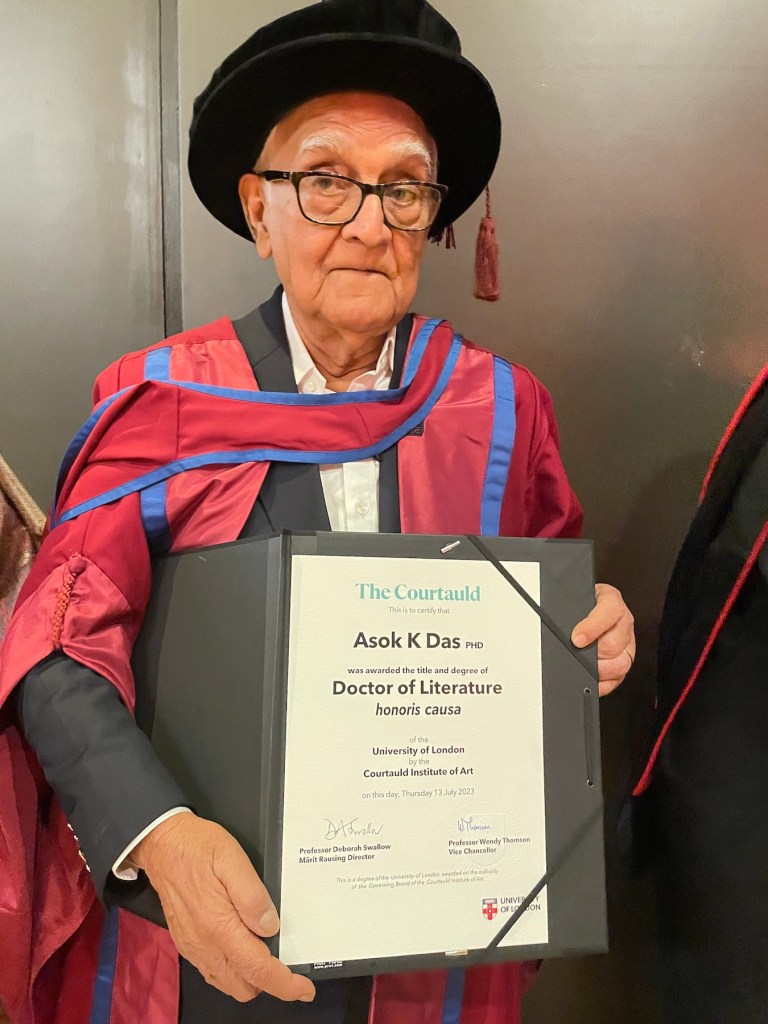
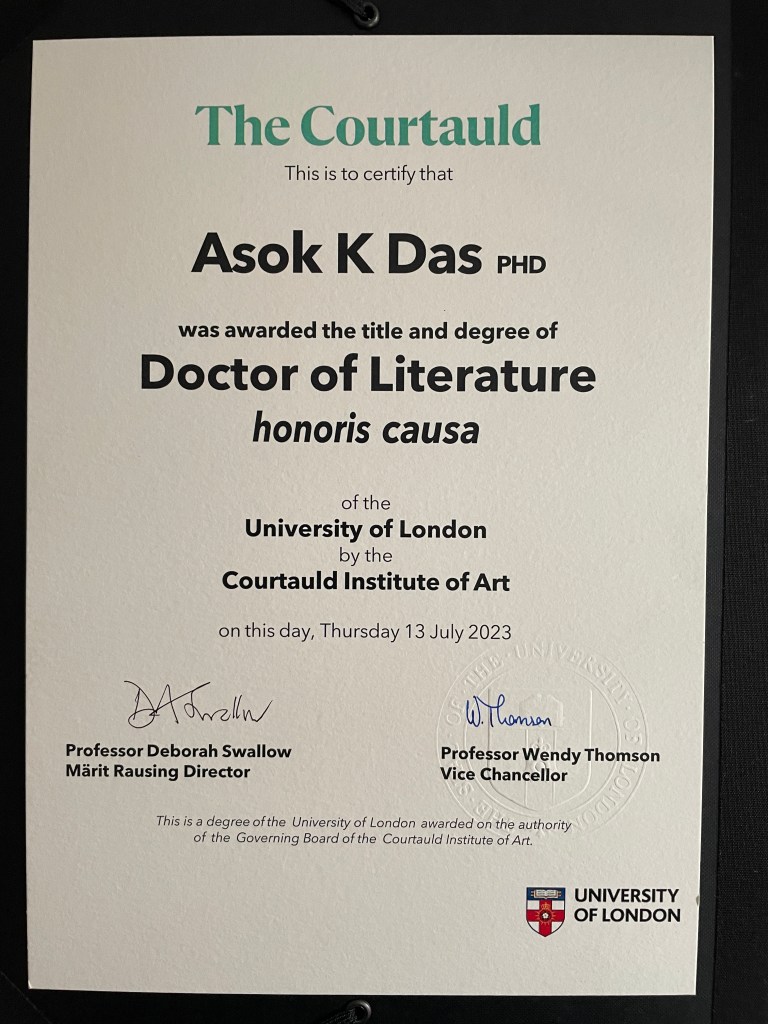
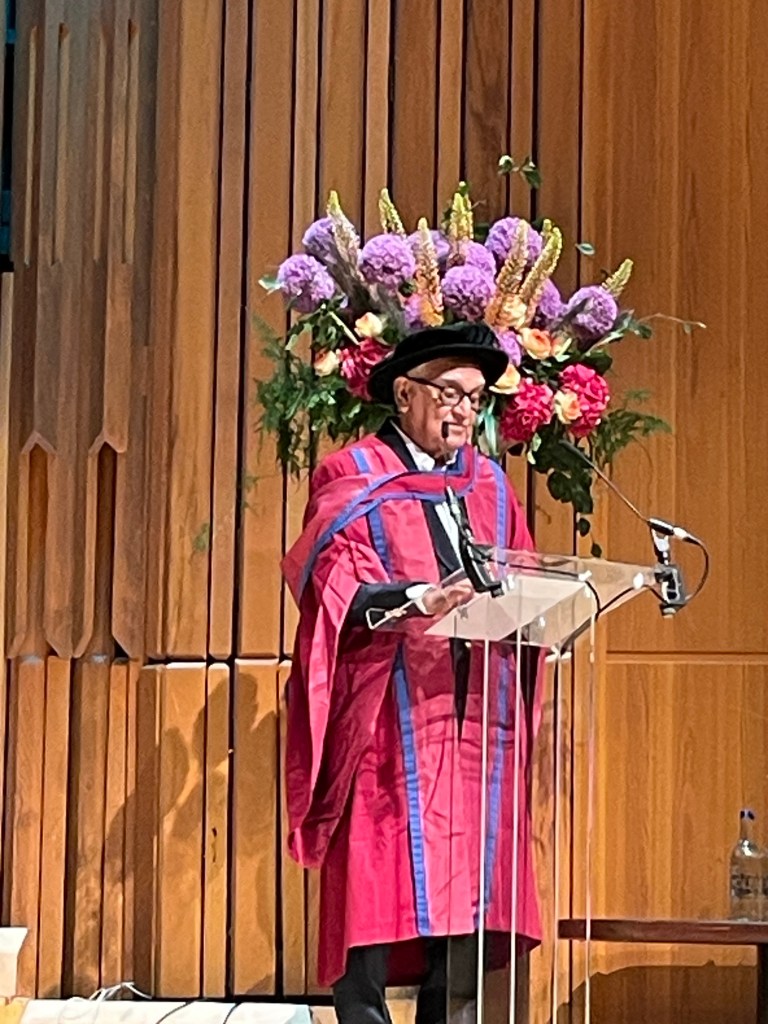
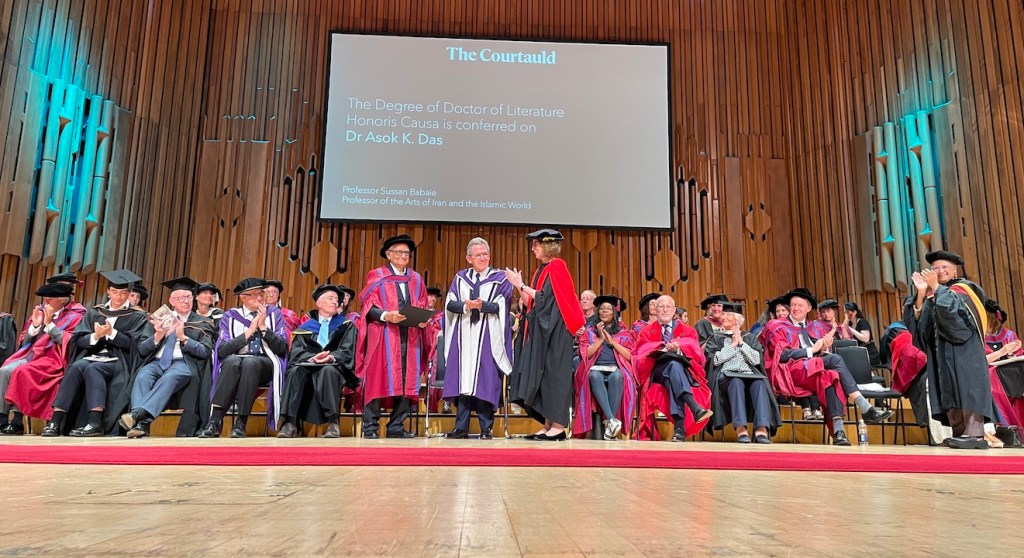
Some photographs leading to the graduation ceremony:

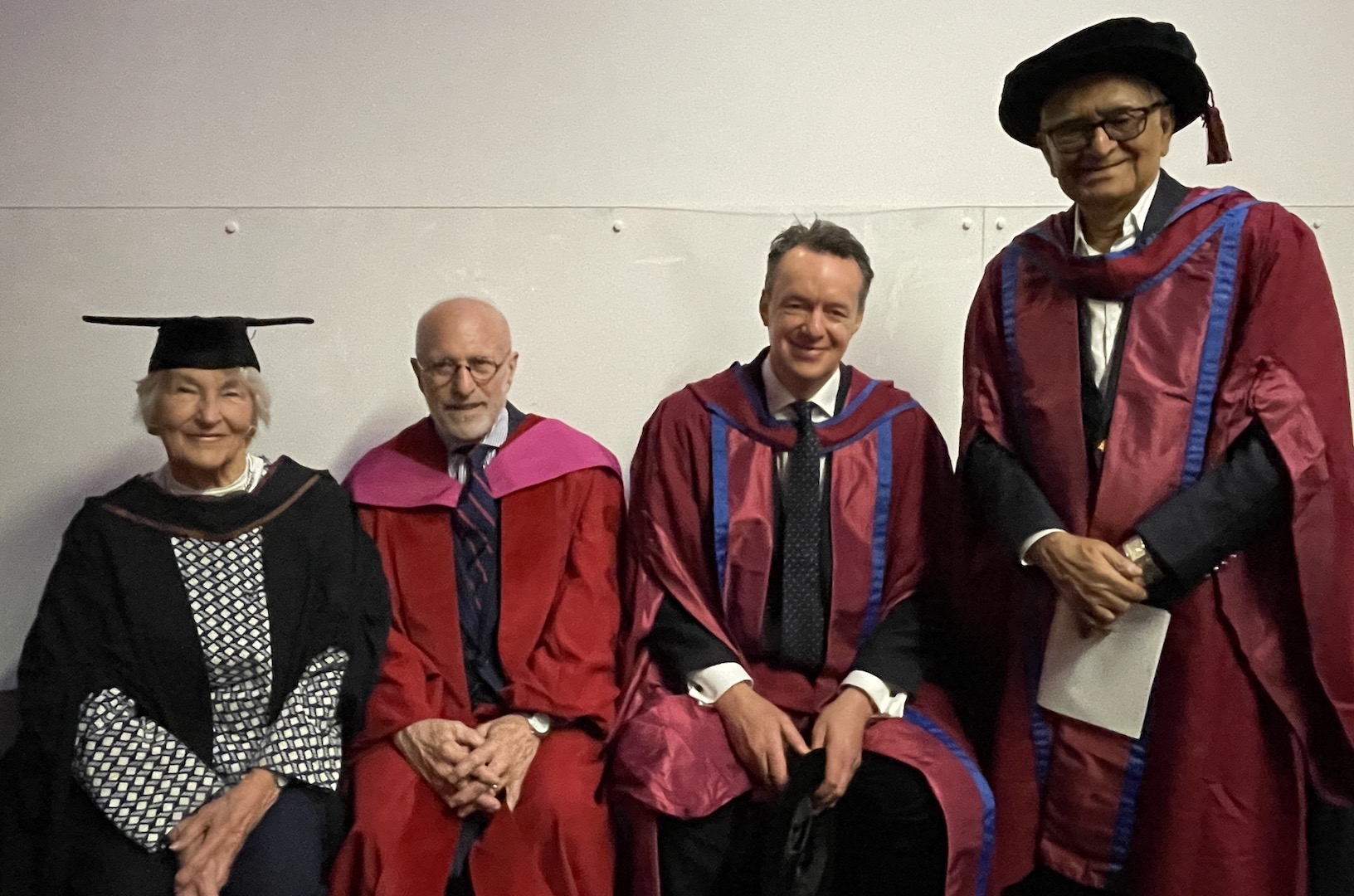
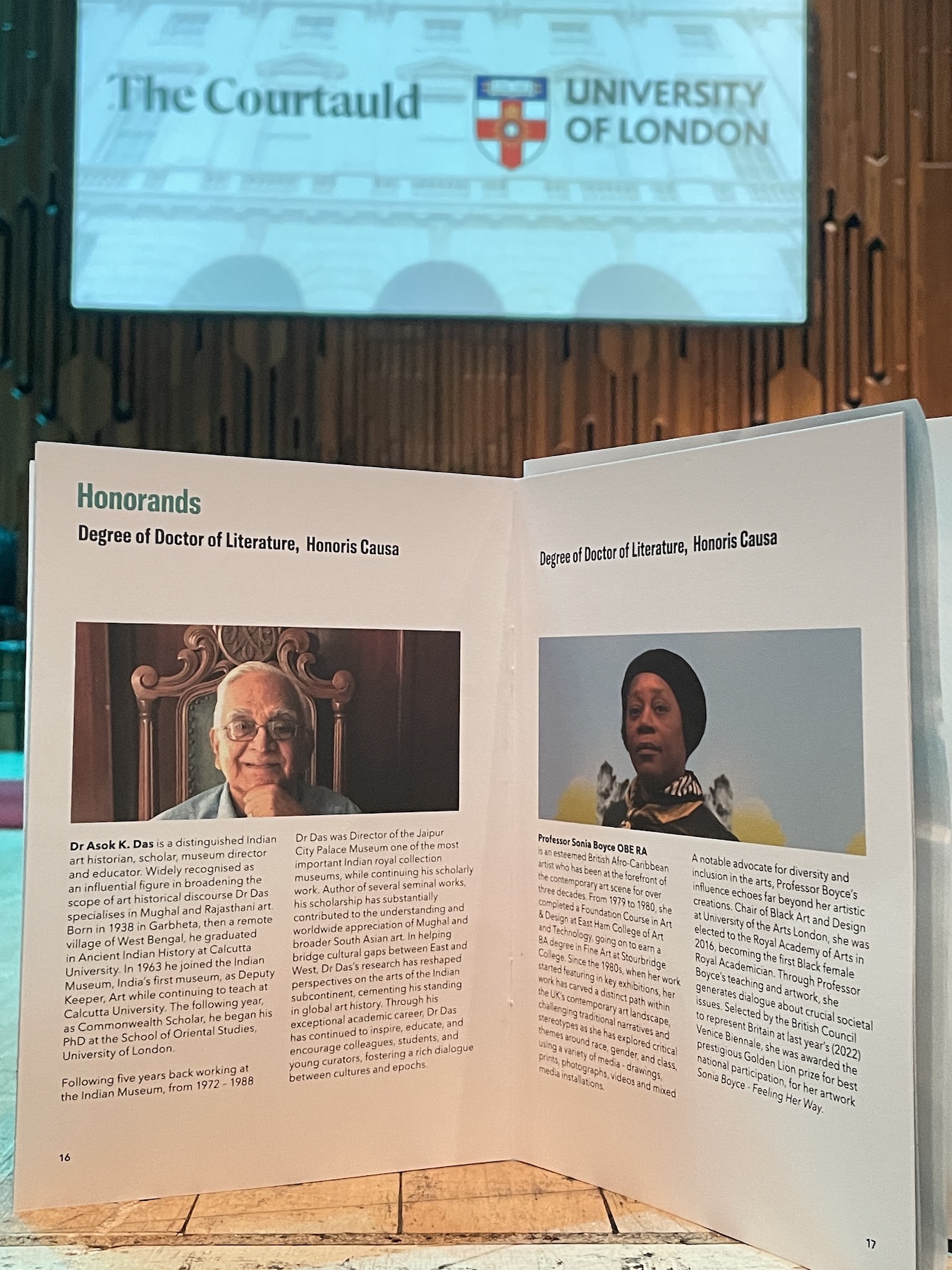
Articles on Dr Das:
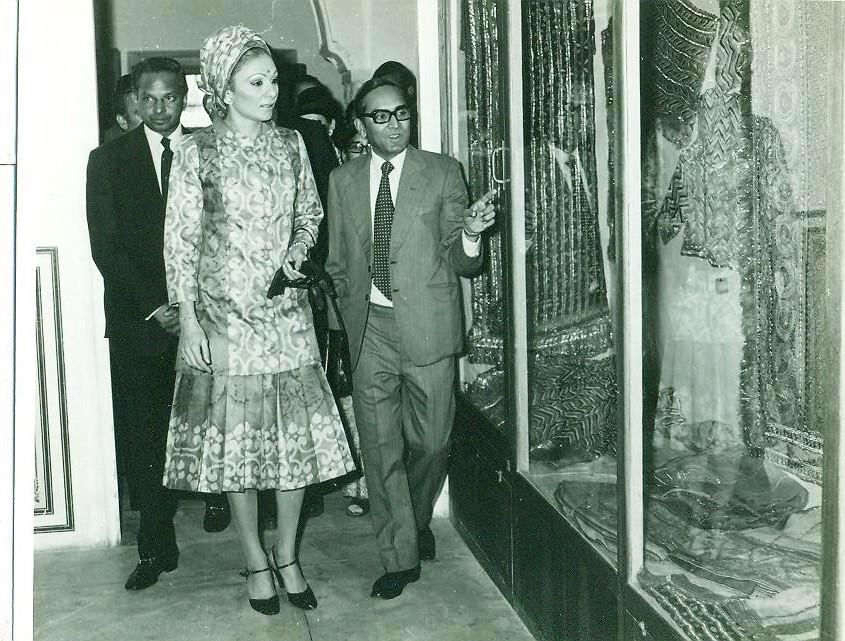
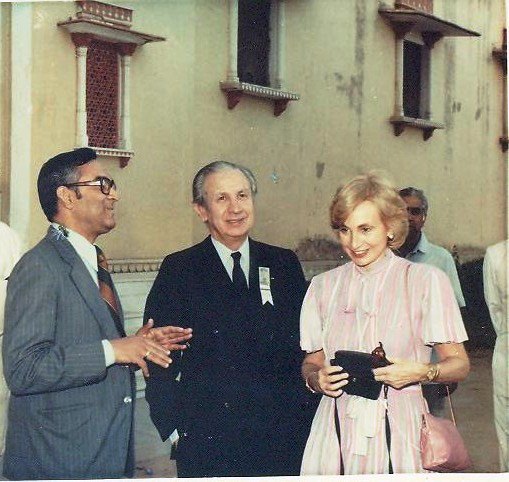
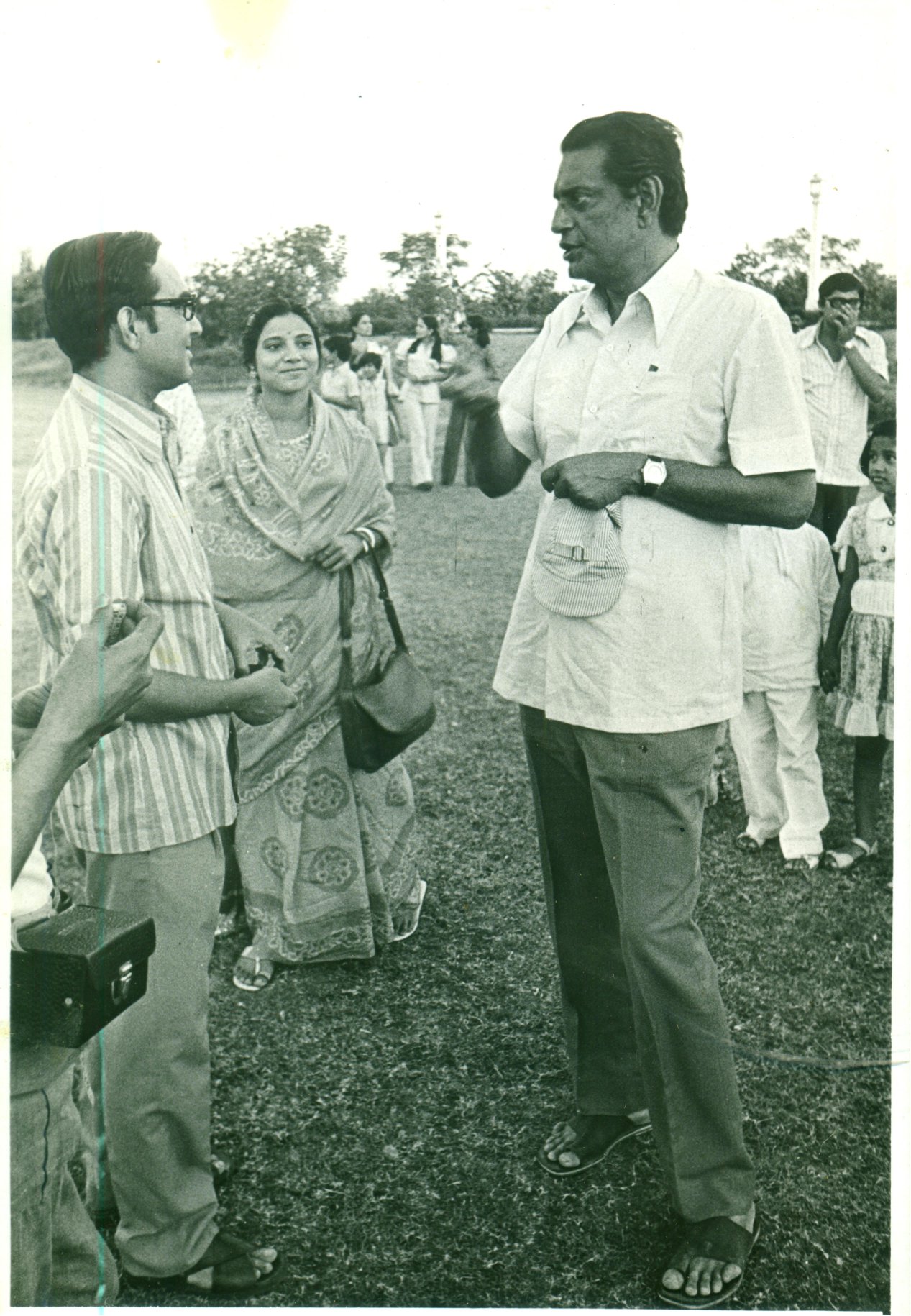
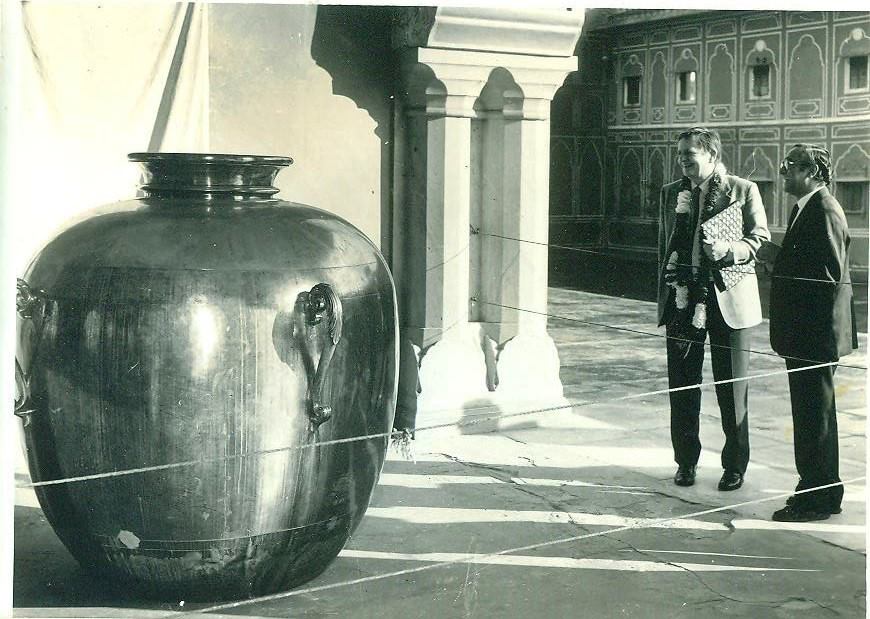
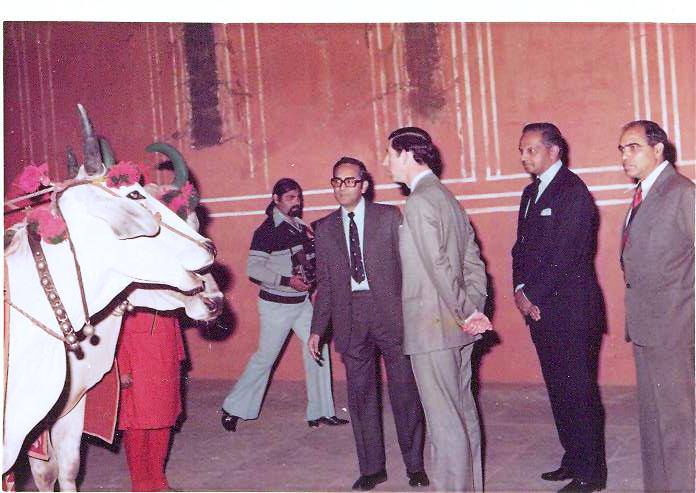
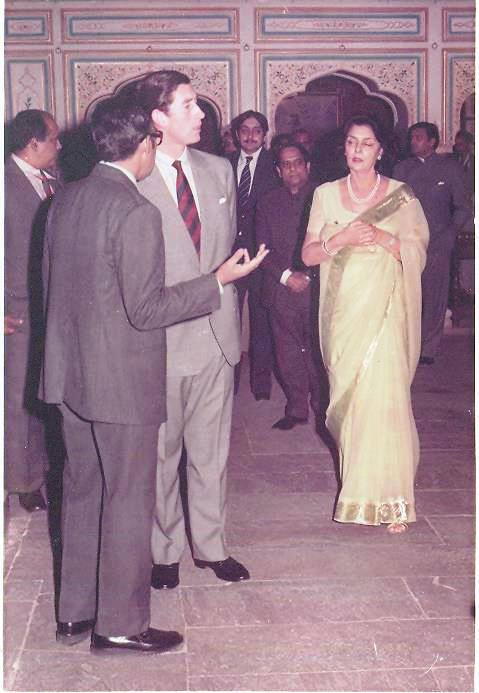
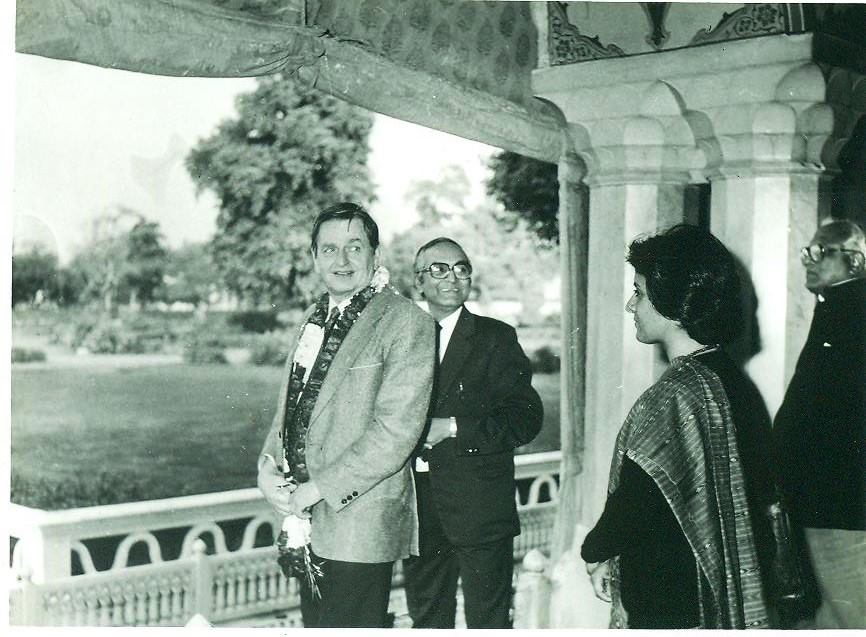
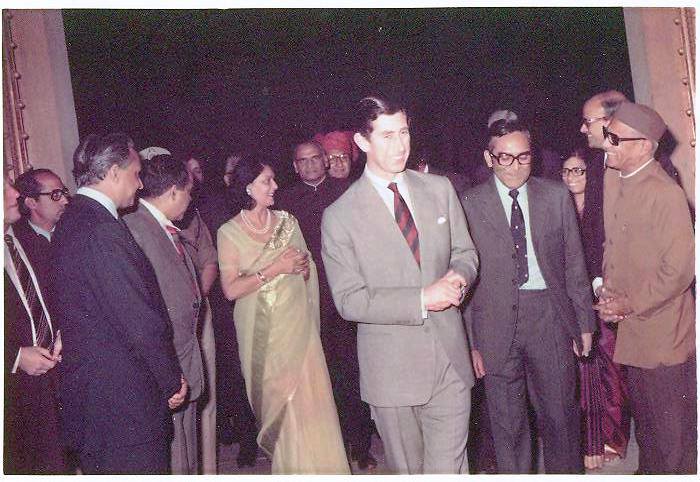
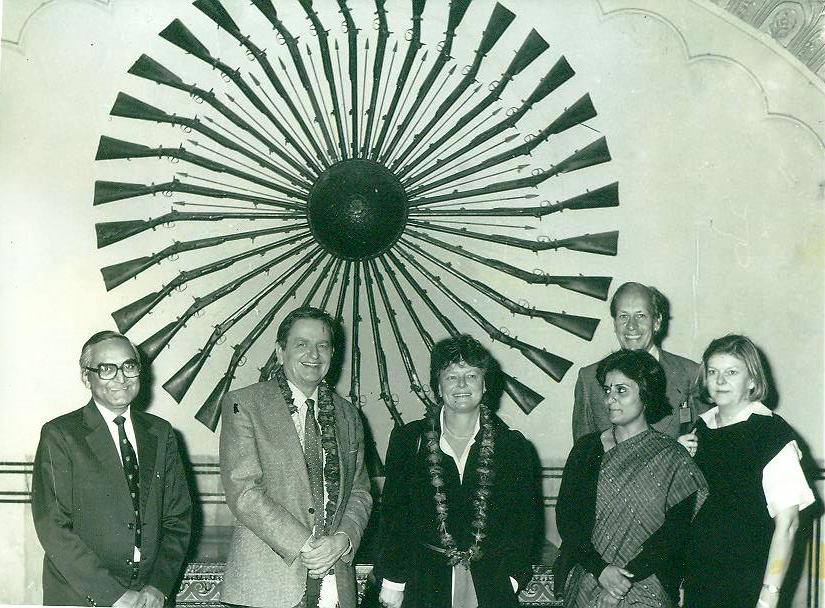
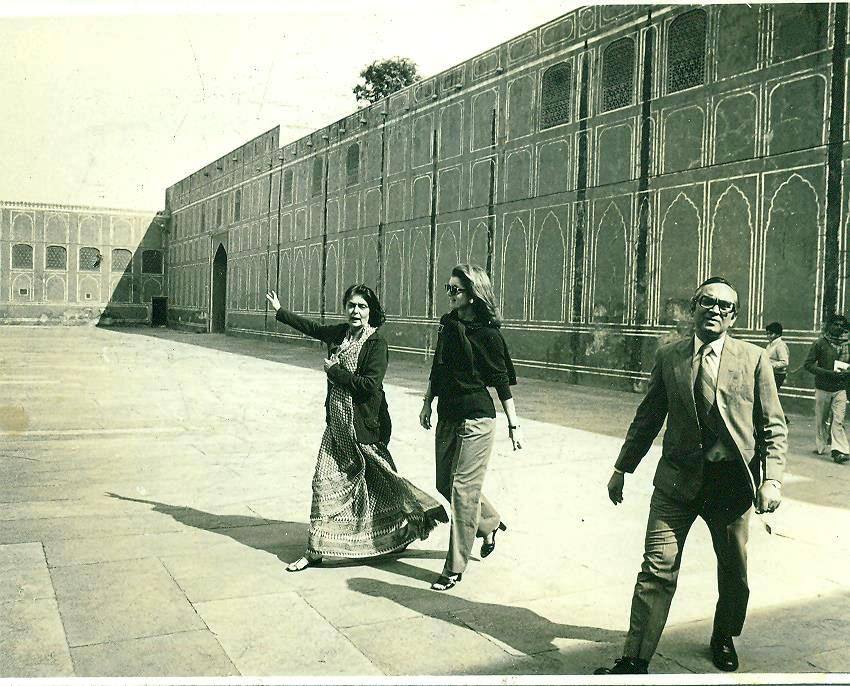
Some photographs of Dr Das as Director, Sawai Man Singh II Museum, City Palace, Jaipur between 1972 – 1987 – with Satyajit Ray, King Charles III of England (then Prince), Shah and Shahbano of Iran, Juan Antonio Samaranch, Chairman, Olympic Committee, Olaf Palme, Prime Minister, Sweden, Bina Kak, and Jacqueline Kennedy Onasis and his wife, with Rajmata Gayatri Devi.
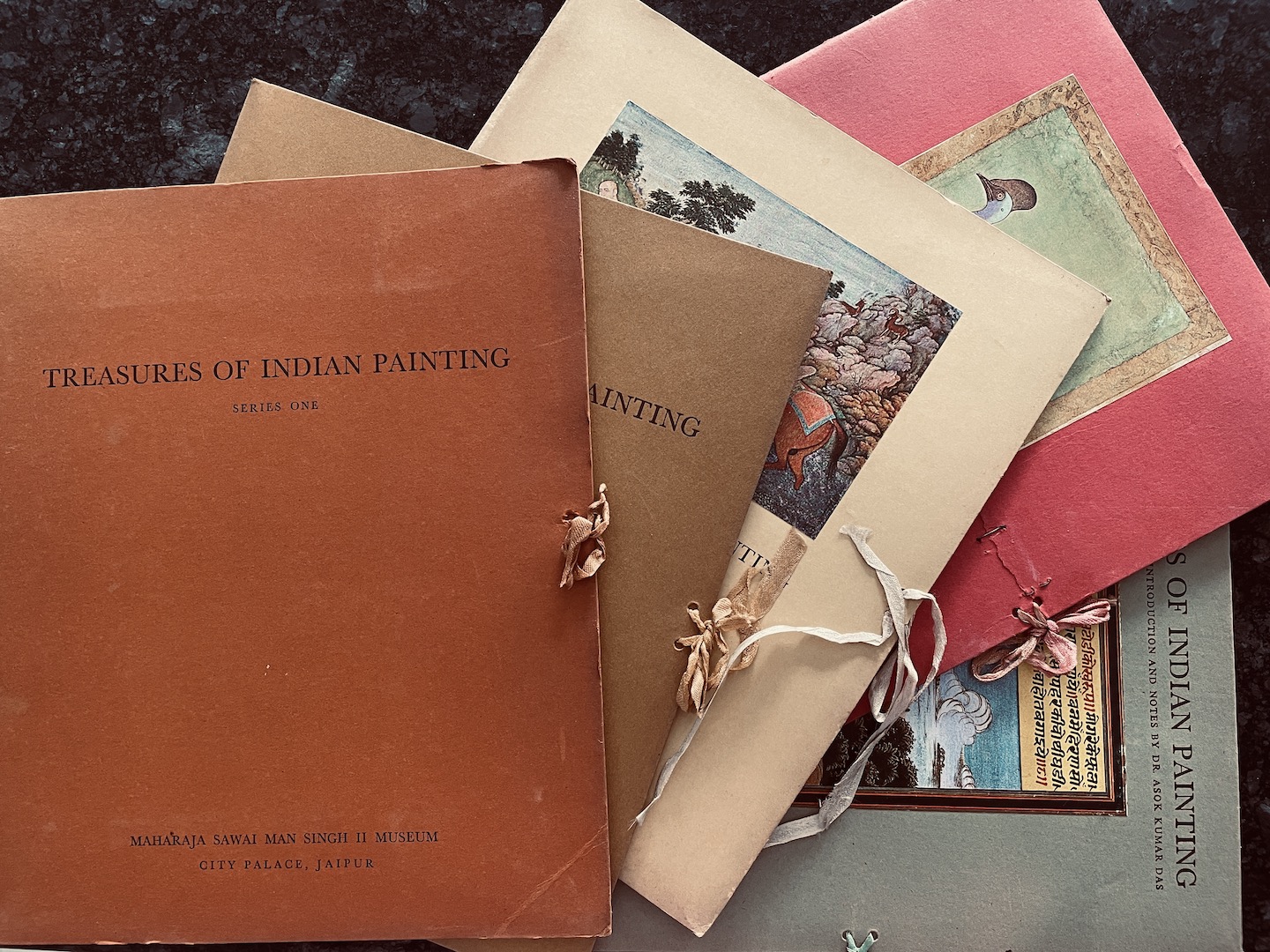
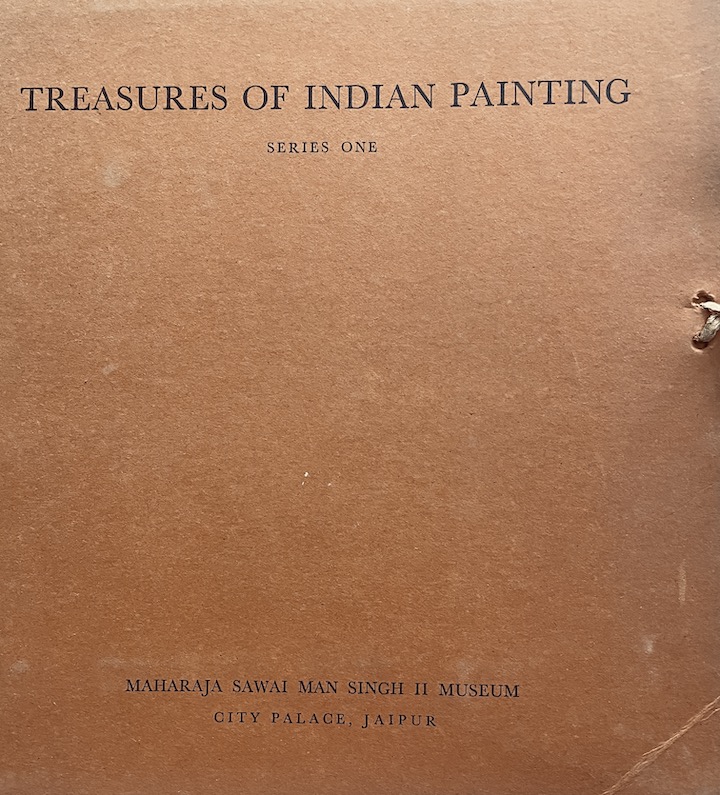
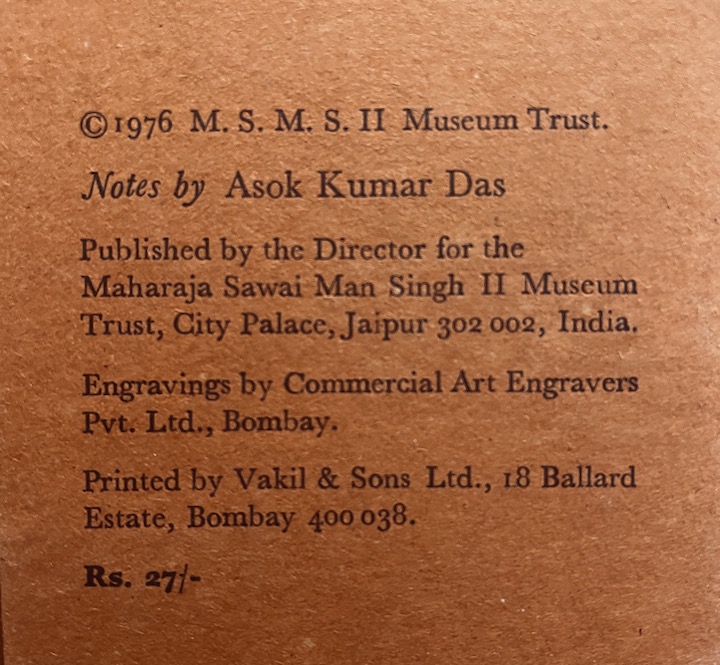
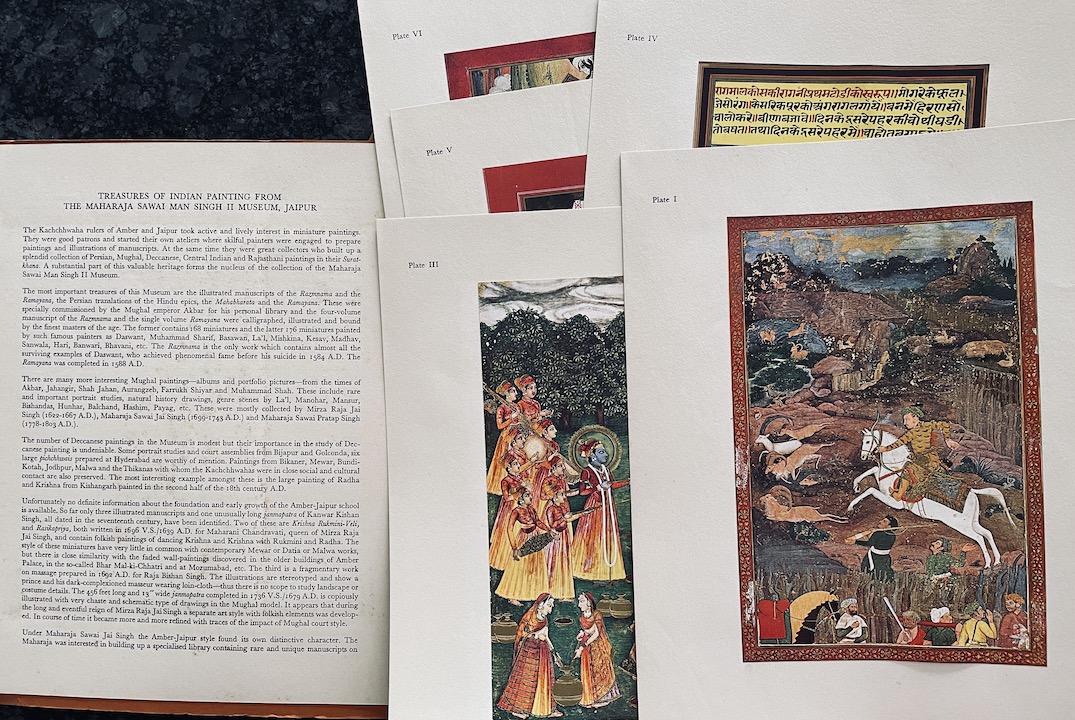
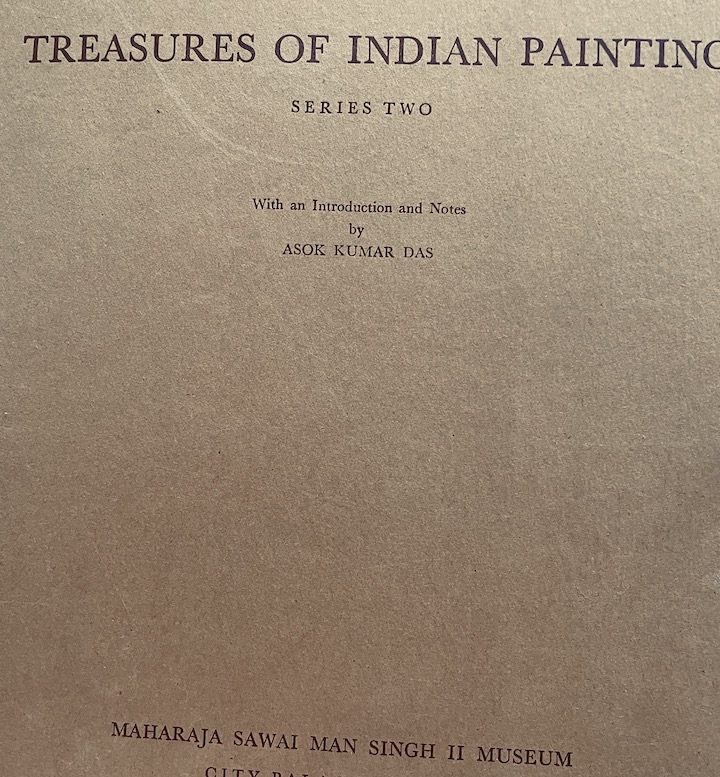
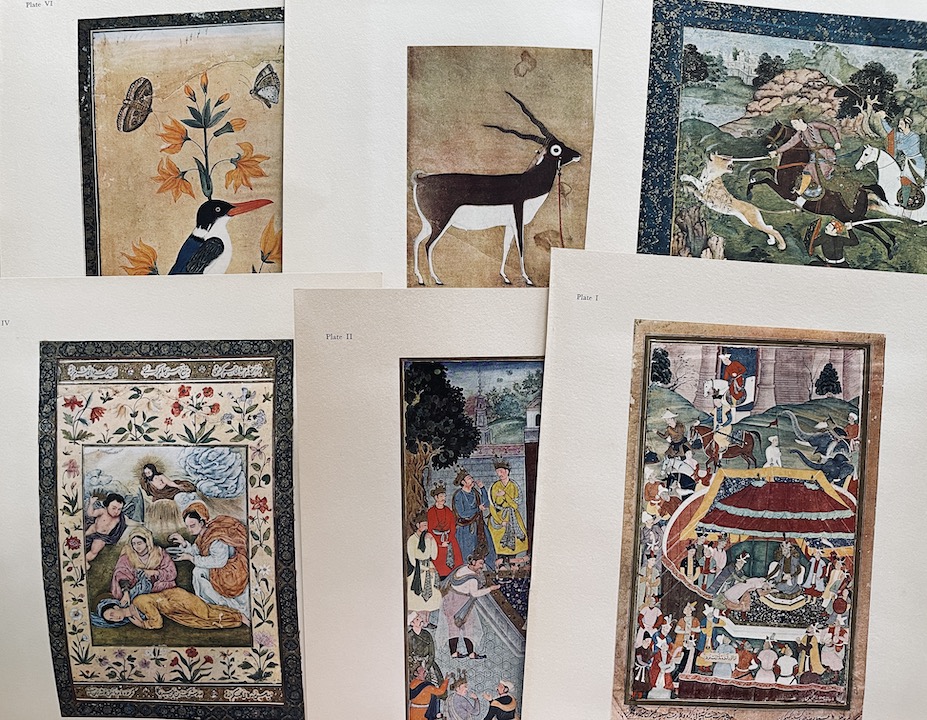
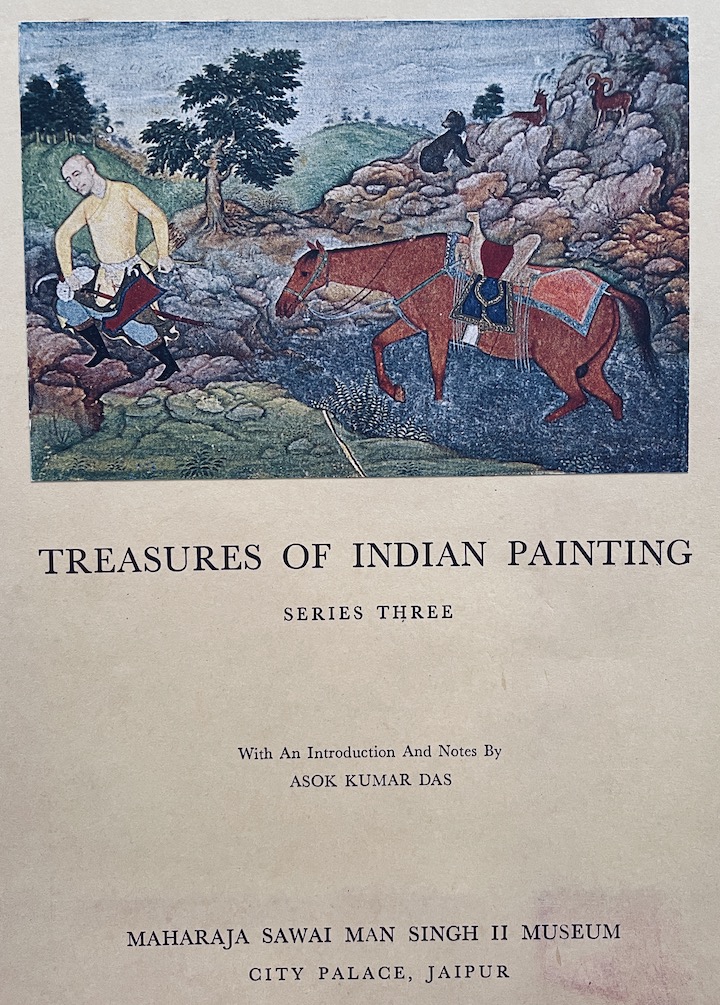
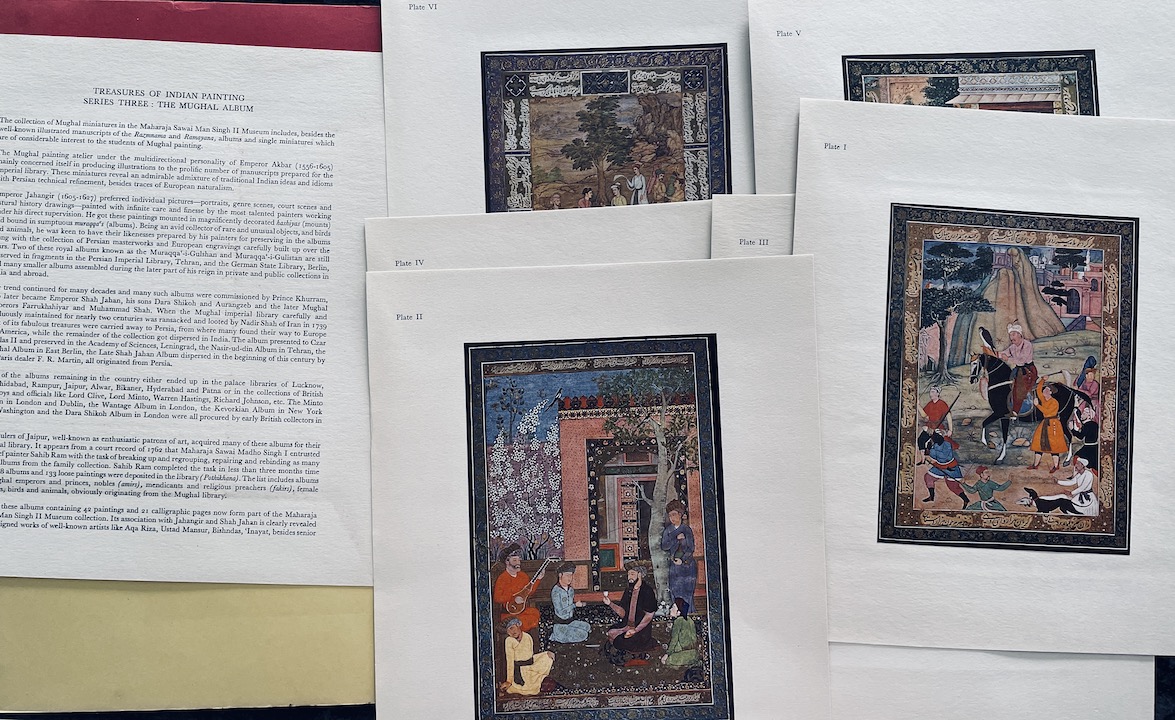
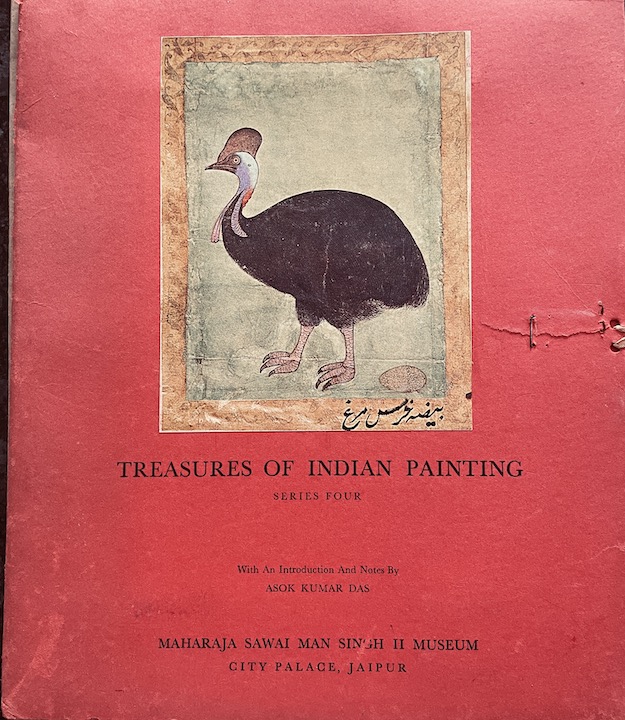
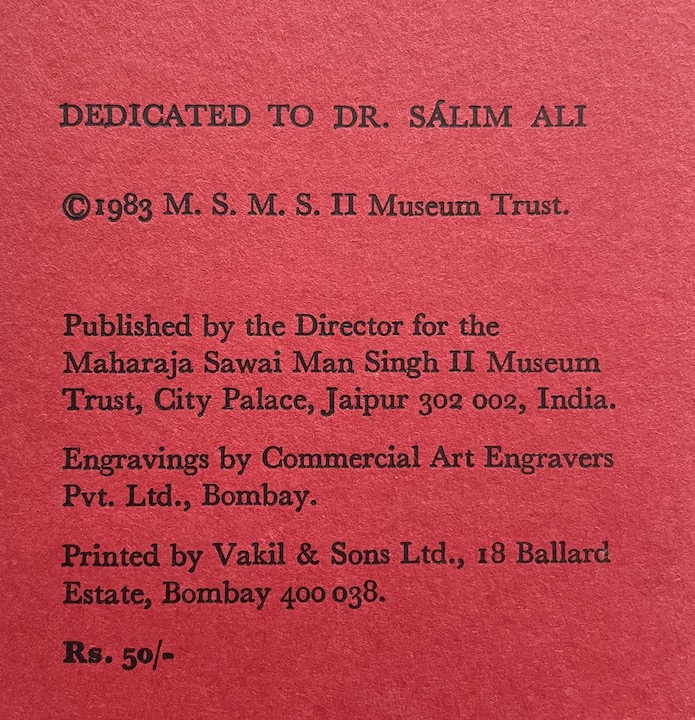
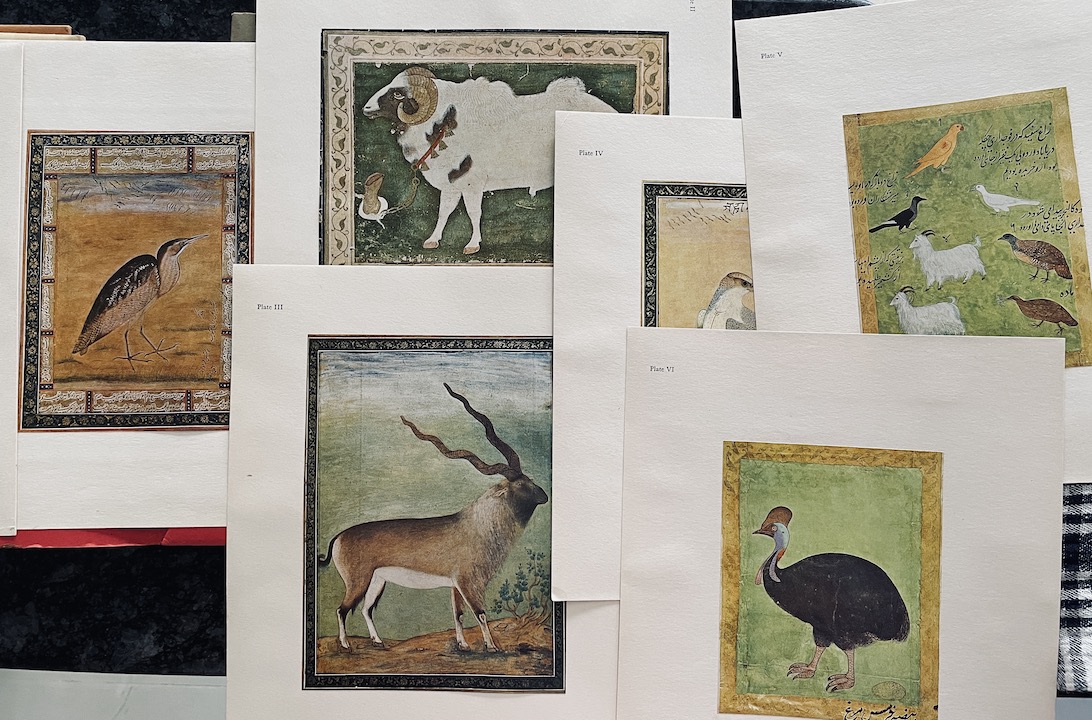
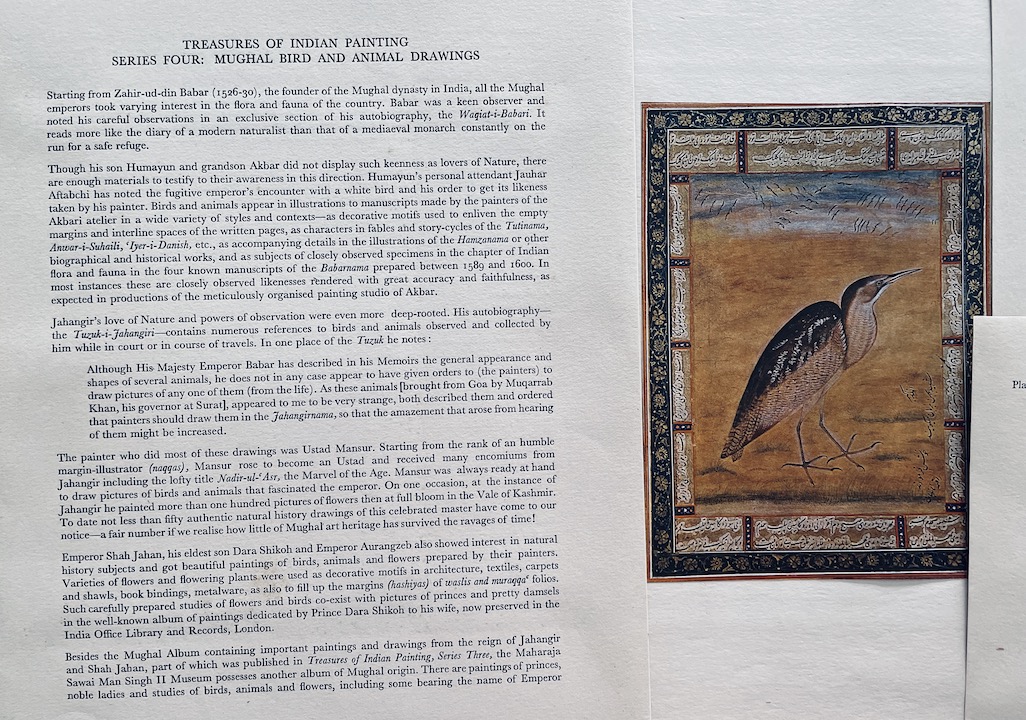
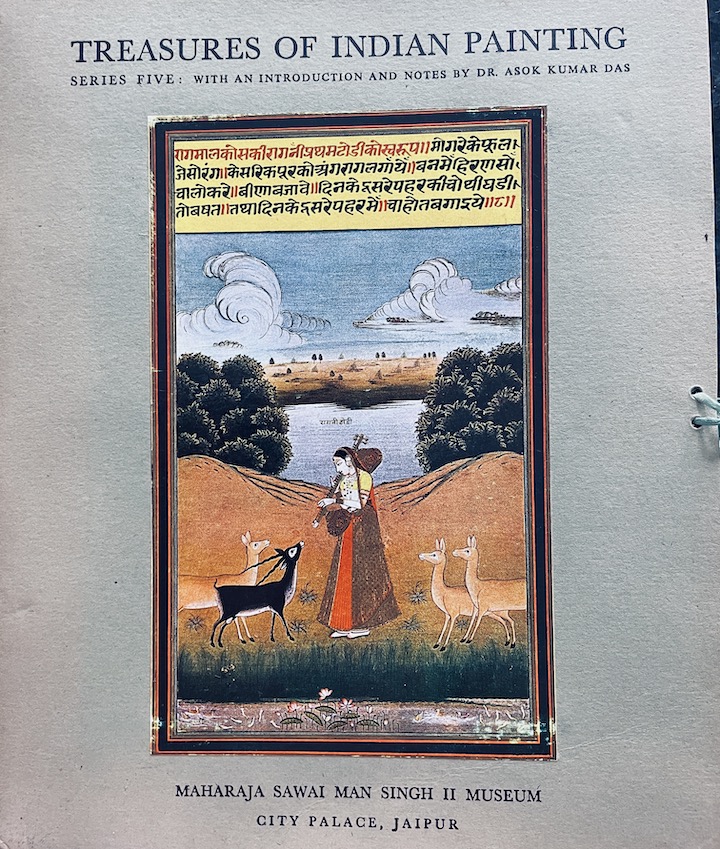
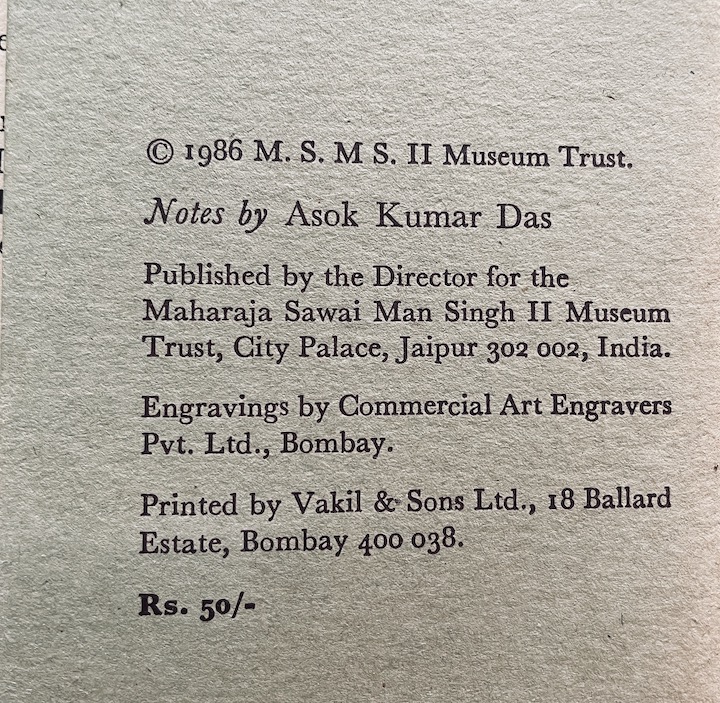
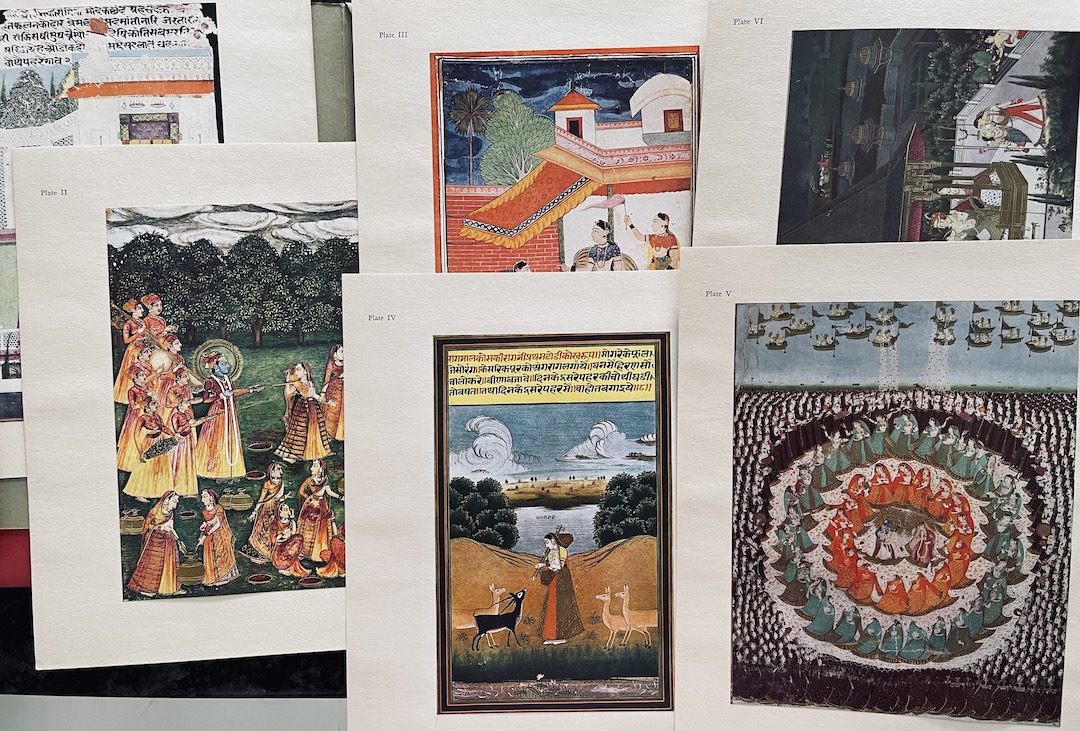
Publications by Dr Das as Director, Sawai Man Singh II Museum, City Palace, Jaipur between 1972 – 1987.


From his travels around the world:
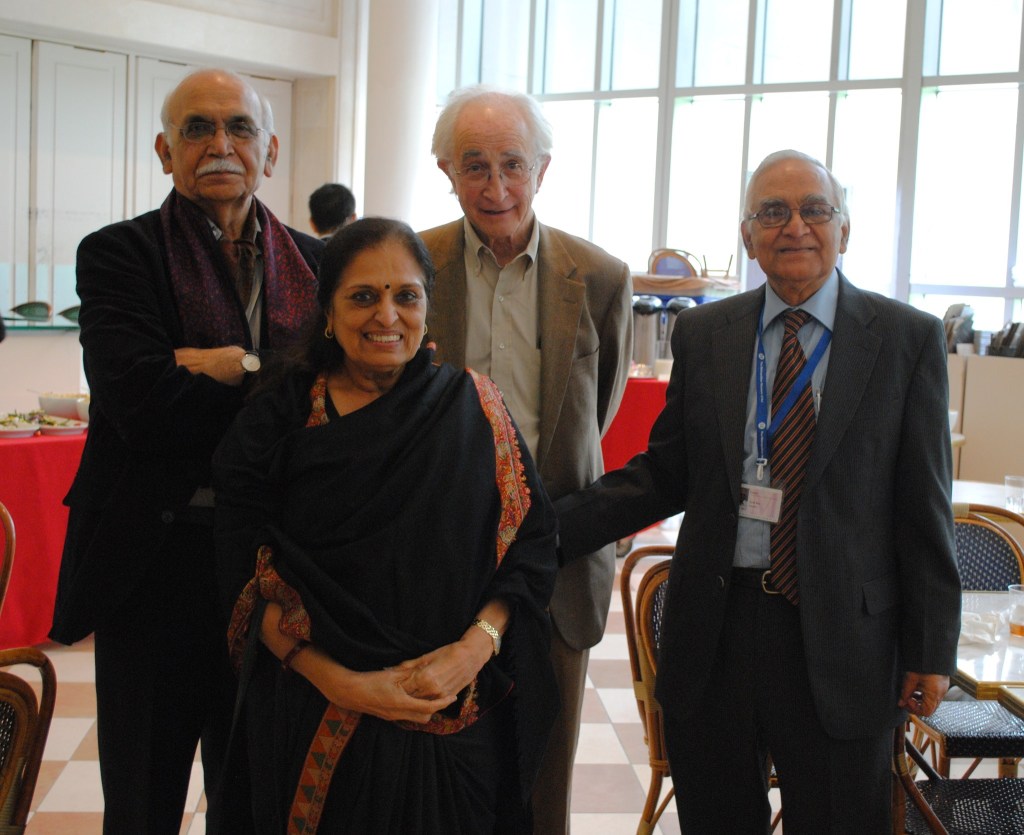
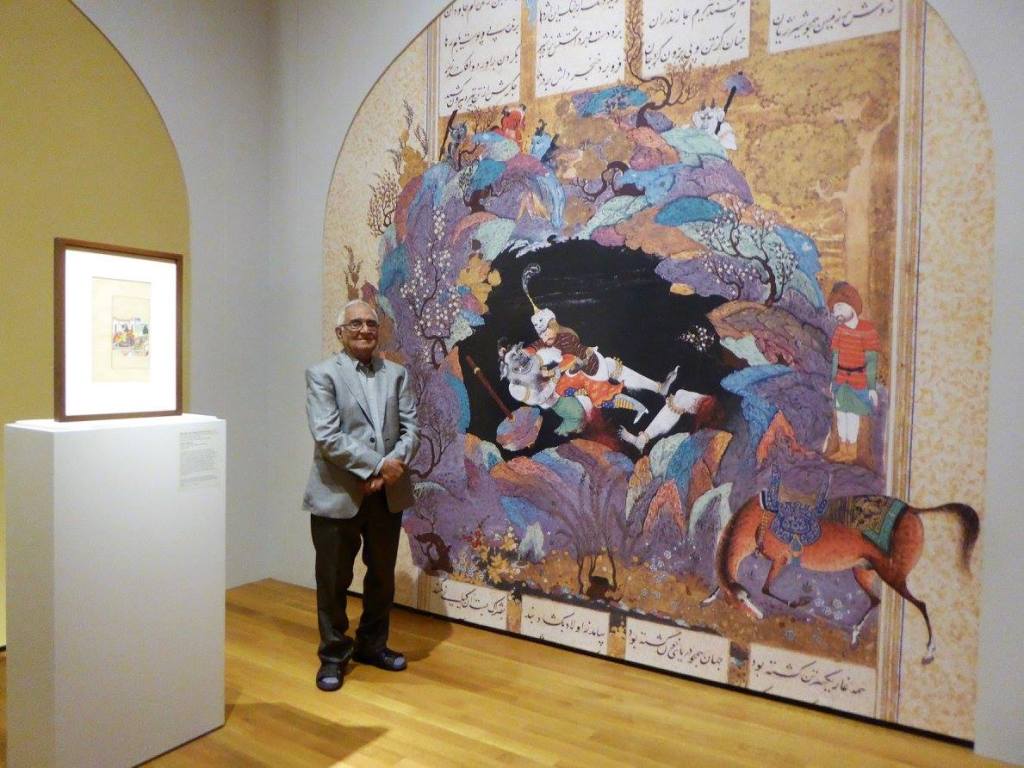
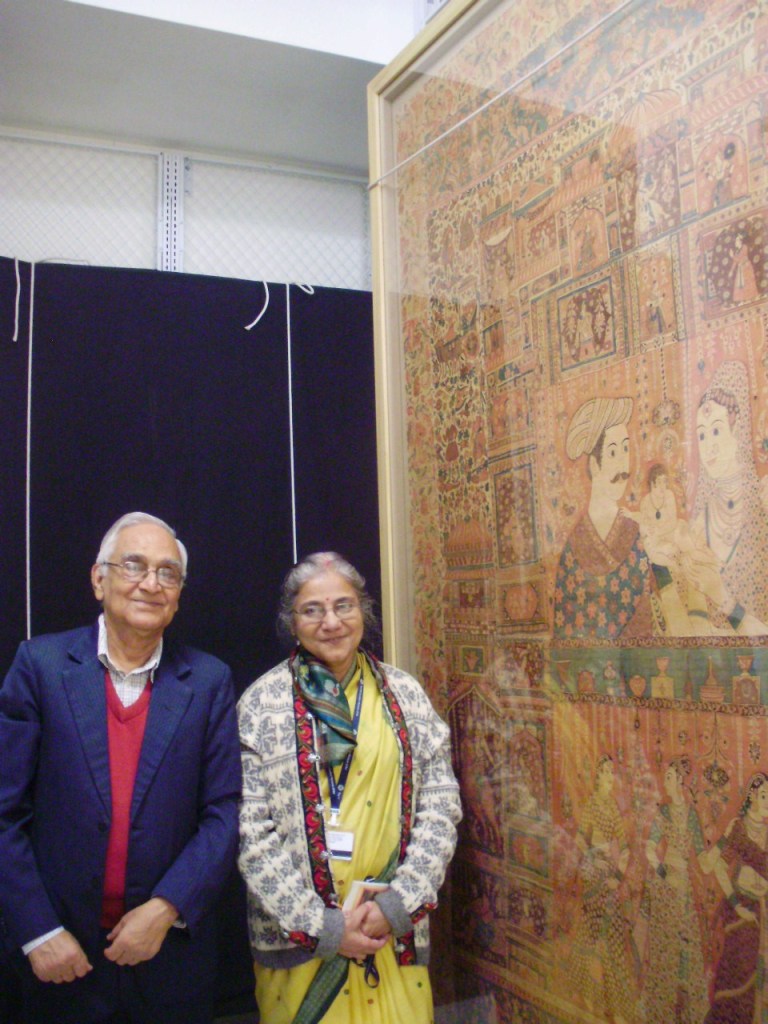
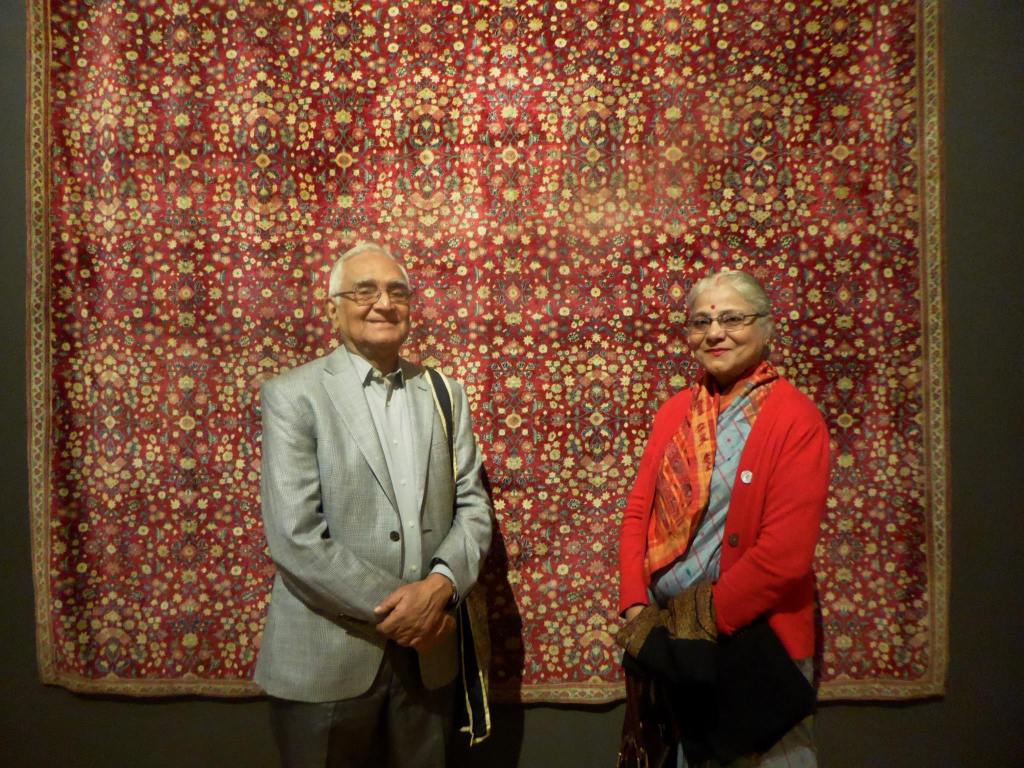
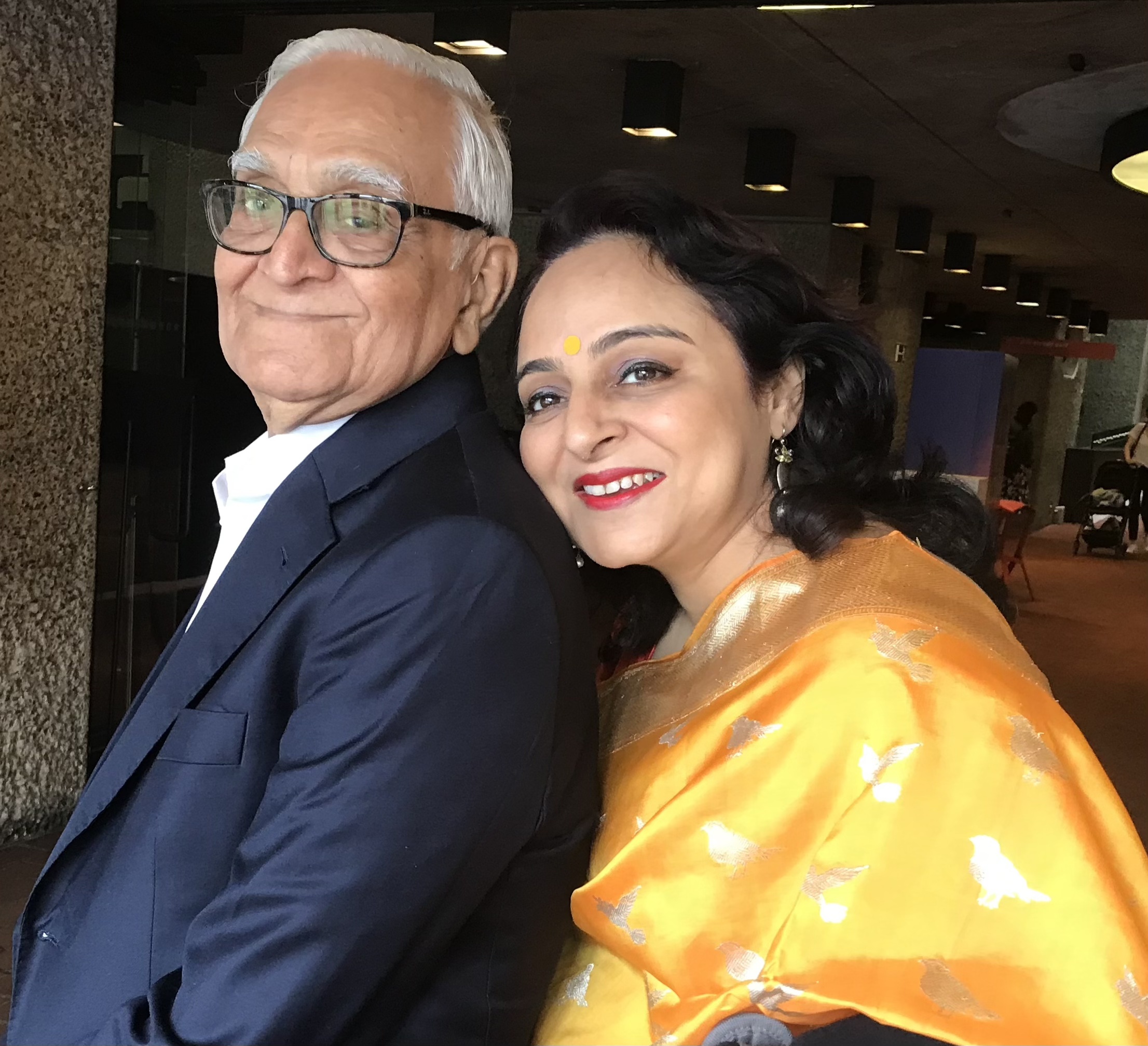
Memories from the photo booth by the Courtauld Institute, taken at the Barbican, London.
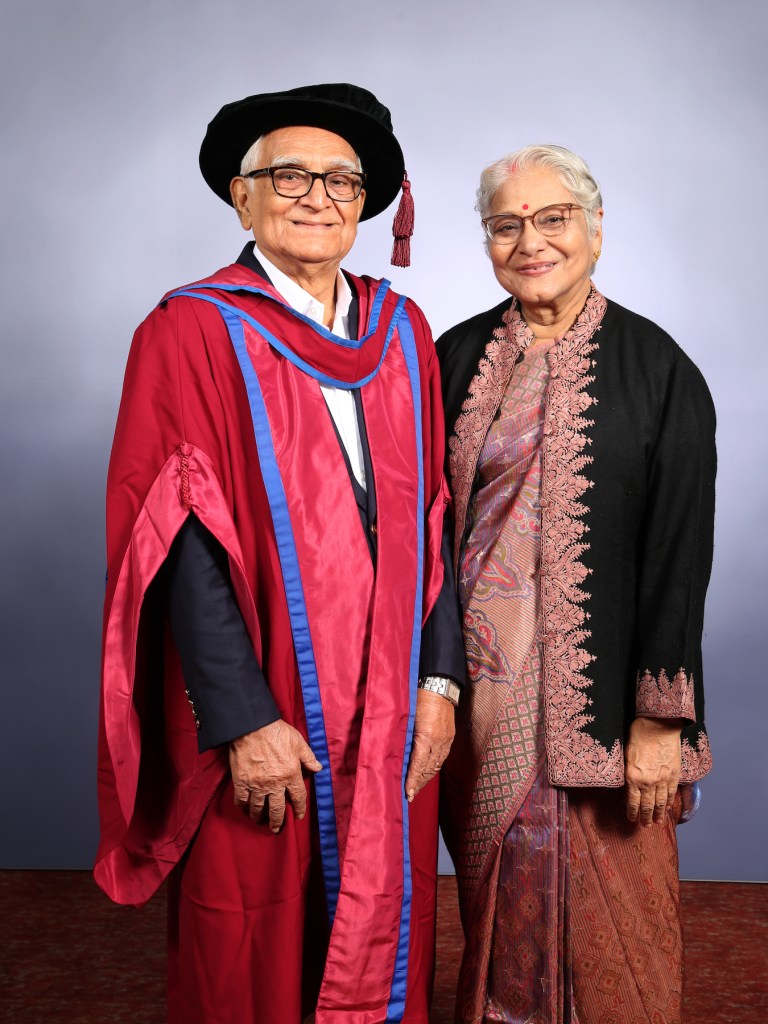
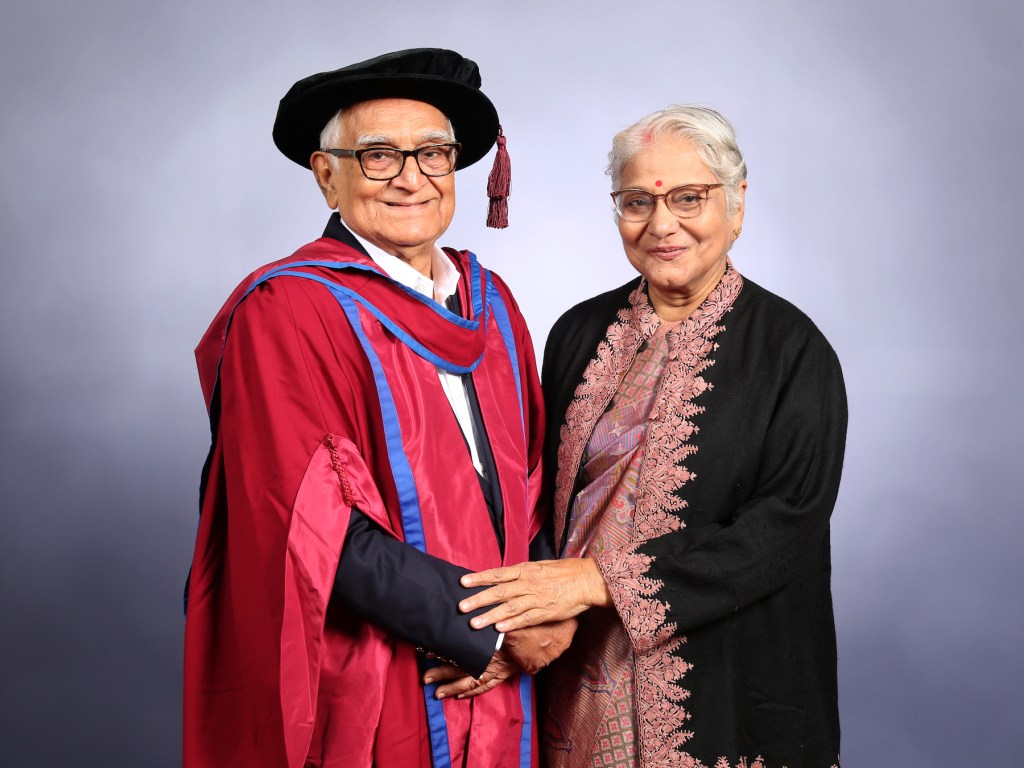
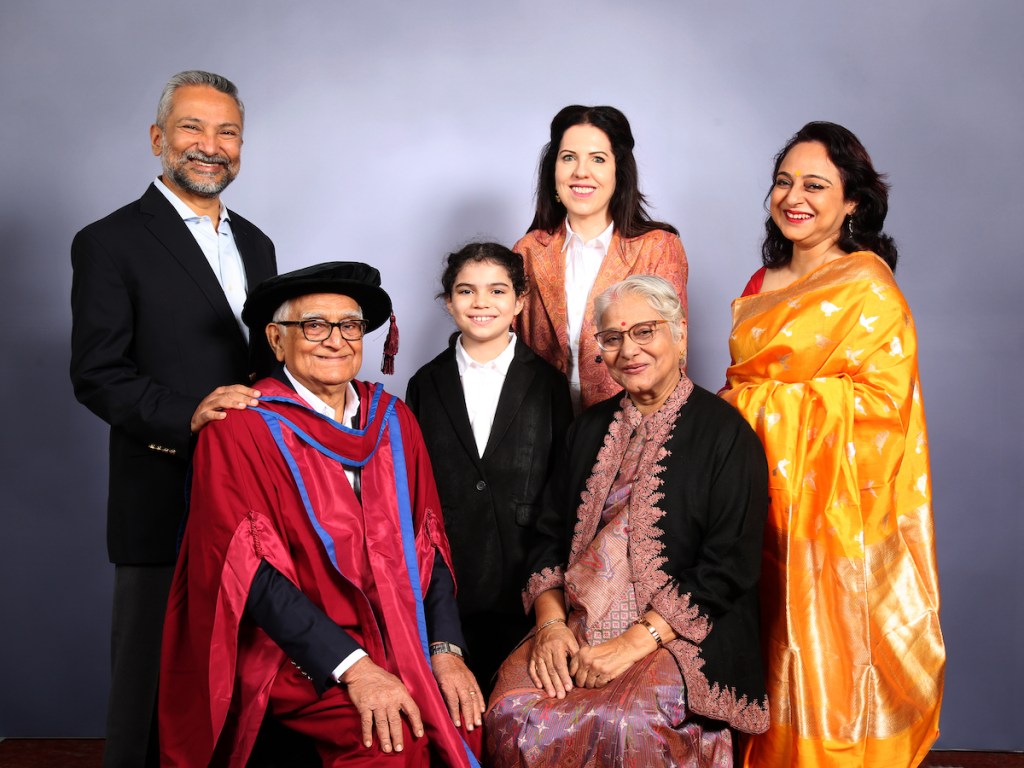

The Das family expresses deep gratitude to our family, friends, well wishers, colleagues and students for your love, faith and trust in us .
Profile:
Dr ASOK KUMAR DAS
Asok Kumar Das is an art historian, scholar, museum director and educator.
Born in 1938 in Garbheta, then a remote village of West Bengal, Asok completed his schooling there at the age of 13 and left for his graduation to Midnapore. His post graduation is in Ancient Indian History and Culture where he loved studying sculpture at the Calcutta University. He parallel studied Law and is also a qualified lawyer. He then earned his Diploma in Museology, the first such batch in Independent India.
In 1963, he joined the Indian Museum, India’s first museum, as Deputy Keeper, Art. He also continued his passion to teach at Calcutta University.
In 1964, as a Commonwealth Scholar, Asok started his PhD at the School of Oriental Studies, University of London, under the guidance of Professor K de B Cordington. During his three years in London, he came under the influence of eminent historians like Sir Basil Grey, John Irwin, W G Archer, Mildred Archer, Ernst Gombrich, Max Mallowan, Douglas Barrett, Howard Hodgking, Meredith Owens, John Burton Page, Edmund de Unger, Mark Zebrowksi and his two Gurus and dear friends Robert Skelton and Simon Digby. Asok’s PhD – Mughal Painting during Jahangir’s Time – secured him the Fredrick Richter Memorial Award from Royal Society of India, Pakistan and Ceylone.
In November 1967, Asok returned to his job at the Indian Museum where for the next three years he embarked on his journey in the field of Mughal painting (or art and culture). He focused on publications of his research of the Mughal collection of the Indian Museum and other parts of the world. During his tenure at the Indian Museum, he met with stalwarts like Oscar awardee filmmaker Bharat Ratna Satyajit Ray and ornithologist Padma Bhushan Salim Ali, amongst others.
In November 1972, Asok joined the Maharaja Sawai Man Singh II Museum (City Palace Museum), Jaipur, as their Director. From a small private museum built with the personal collection of Maharaja Man Singh II and his wife Maharani Gayatri Devi and the ancestors of the Jaipur royal family, Asok transformed it into an internationally recognized museum. Under his leadership, the museum participated in the Festivals of India held at USA, UK, France, Switzerland and USSR. He started a museum shop where along with souvenirs designed and inspired from the collections, portfolios containing articles and reproductions of the exquisite miniature paintings selected and annotated by him from Museum collection were sold.
He researched and curated the following exhibitions:
1977: Literary heritage of the rulers of Amber and Jaipur
1978: Sawai Jai Singh II and his city
1980: Maharaja Sawai Man Singh II – his life and time
1982: Exhibition based on the miniature painting from the museum’s collection selected as a stamp symbolising for the Rajasthan Philatelic Society
1983: Sports and games in Indian Art (inaugurated by Juan Antonio Samaranch, then President, Olympic Association)
1987: A Photographer Prince: based on the negative plates of Maharaja Ram Singh (Asok discovered this collection and researched, wrote on it and curated the exhibition making the Maharaja known for his contribution to early Indian photography, for the first time.) The exhibition later traveled to the Museum of Photography, Lausane, Switzerland.
Asok returned to his first love, teaching, when he was invited as first a Visiting Professor, and then Satyajit Ray Chair, Kala Bhavan, Viswa Bharati University, Santiniketan, West Bengal, and Visiting Professor, School of Arts and Aesthetics, Jawaharlal Nehru University, New Delhi, during the years 1994 – 2006.
He has delivered lectures and read seminar papers at various Museums and Institutions in Europe, U K, U S, India, Iran, Hong Kong and Bangladesh , including the Centenary Lectures at the Cleveland Museum of Art, and Chatrapati Shivaji Maharaj Vastu Sangrahalay, Mumbai.
He is a prolific writer, in English, Bangla and Hindi, authoring many books on Mughal Painting, and publishing research papers and articles in leading art journals in India and abroad, mainly in the field of Mughal art and culture.
List of publications:
Books:
- Mughal Painting During Jahangir’s Time (Asiatic Society, Kolkata) 1978
- Treasures of Indian Painting, Portfolio Series One 1976 to Series Five 1986
- Dawn of Mughal Painting (Vakils, Mumbai) 1982
- Splendour of Mughal Panting (Vakils, Mumbai) 1986 https://www.amazon.in/Splendour-Mughal-Painting-Asok-Kumar/dp/8187111259
- Mughal Masterpieces from the Bharat Kala Bhavan, Benaras) 1992
- Mughal Masters: Further Studies (editor) (Marg, Mumbai) 1998
- Paintings of the Razmnama: The Book of War (Mapin/Birla Academy, Kolkata) 2005
- Wonders of Nature: Ustad Mansur at the Mughal Court (Marg, Mumbai) 2012
- Varta: Special Issue on One Thousand Years of Indian Miniature Painting Tradition (Editor), Kolkata 2014
- The Story of India’s Unicorns (Co-author), (Marg Foundation, Mumbai) 2018
- The Wall As Canvas: Study of Wall-Paintings of Mughal Era (in press) Jnana-Pravaha Varanasi
- His Ph.d from SOAS – 1967 – could be downloaded from this link: Mughal painting during Jahangir’s time. PhD thesis. SOAS University of London. DOI: https://doi.org/10.25501/SOAS.00029463
- Podcast: https://www.bbc.co.uk/programmes/articles/1MjVg7qbkbRZYsjS4Yf0Pcr/episode-transcript-episode-82-miniature-of-a-mughal-prince
Contributed Chapters/Sections/Entries in:
- History and Culture of the Indian People, Vol VII: The Mughul Empire (Bharatiya Vidya Bhavan)
- 1974
- Asian Variations in Ramayana (Sahitya Akademi) 1983
- Facets of Indian Art (V & A) 1986
- Arts and Crafts of Rajasthan (Mapin, Ahmedabad) 1987
- The Dictionary of Art (Macmillan/Grove) 1996
- Goa cand the Great Mughal (Gulbenkian Foundation, Lisbon) 2004
- Masters of Indian Painting Vol I (Artibus Asiae, Zurich) 2011
- Comprehensive History of India, Vol VII Part II (Ramakrishna Institute of Culture, Kolkata) 2013
- History of Modern Bengal (Asiatic Society, Kolkata) 2020
- and in Festschrifts and Commemoration volumes on Rai Krishnadasa 1981, V S Srivastava 1981, Nihar-
- Ranjan Ray 1984, Pupul Jayakar 1986, Nurul Hasan 1993, Douglas Barrett 1995, V C Ohri 2009, Karl.
- Khanadalavala 1995, Robert Skelton 2004, B N Goswamy 2013, etc
Awards and Fellowships:
- Honorary Fellow of International Centre for Study of Bengal Art, Dhaka 2013
- Rakhal Das Bandopadhyay Award by Bangiya Sahitya Parishad, Kolkata 2014
- Special Award by Paschim Banga Charukala Parsat, Government of West Bengal, Kolkata 2017
- Scholar-in-Residence at Jnana-Pravaha, Varanasi, 2015
- Getty Museum Scholar, Los Angeles, 2011
- Hart Fellow at the Freer-Sackler Galleries, Smithsonian Institution, Washington D. C., 2011
- Visiting Fellow at the Museum of Islamic Art, Doha, and at the Dar al-Athar ai-Islamayyah, Kuwait, 2010
- Andrew W Mellon Fellow at the Metropolitan Museum of Art, New York, 2009
- Tagore National Fellowship on Indian Culture, Department of Culture, Government of India, 2008 – 10
- Jawaharlal Nehru Fellowship, Department of Culture, Government of India, 1992
- Senior Visiting Fellow at the Victoria & Albert Museum, London, 1990 and 1992 – 3
Videos of lectures and talks:
In a 3 part video, Dr Das shares with us the important contribution of some of India’s most prominent private collectors. We get to know their names, their collections, the museums they formed or donated their collections to, his personal associations with them and what he learnt from them.


Congratulations uncle and to the proud family 🎉
LikeLike