
One morning in March, 2024, India woke up to a headline that shocked us beyond belief * India’s pride, Bengaluru, had no water!!! How was that even possible! Those in high rise buildings and large corporate offices can buy water tankers but what about the poor and those in the non affluent parts of the city that had earned the sobriquet of ‘Garden City’ – one question that has haunted me is “Why have kilometers of pretty gardens as dividers been laid on the way to the Bengaluru airport – who needs those?”
Born and brought up in Rajasthan and having spent most of my life there and in Gujarat, both desert states of India (Thar desert), water scarcity was something we were aware of being integral to our lives. We used less water for our baths, used tap water and a bucket and did not shower during summers, recycled water used for cleaning the house, utensils, vegetables and fruits for the garden, housing societies had frequent fights with the non sensitive about using water for washing their vehicles when the city didn’t have enough drinking water. In older parts of the cities, the government could provide drinking water once in 3 days during peak summer months of April, May and June.
Those of us from Rajasthan and Gujarat, worship water in every possible way (maybe lesser now). From March, the cleanest water possible is kept on every possible roadside shop, mostly in storage containers where the water will be cool, for free access to any human being – irrespective of their financial condition or any other identity. In this blog post you will several instances of such containers. Have you noticed such containers in other parts of India? Please send photographs if you have.
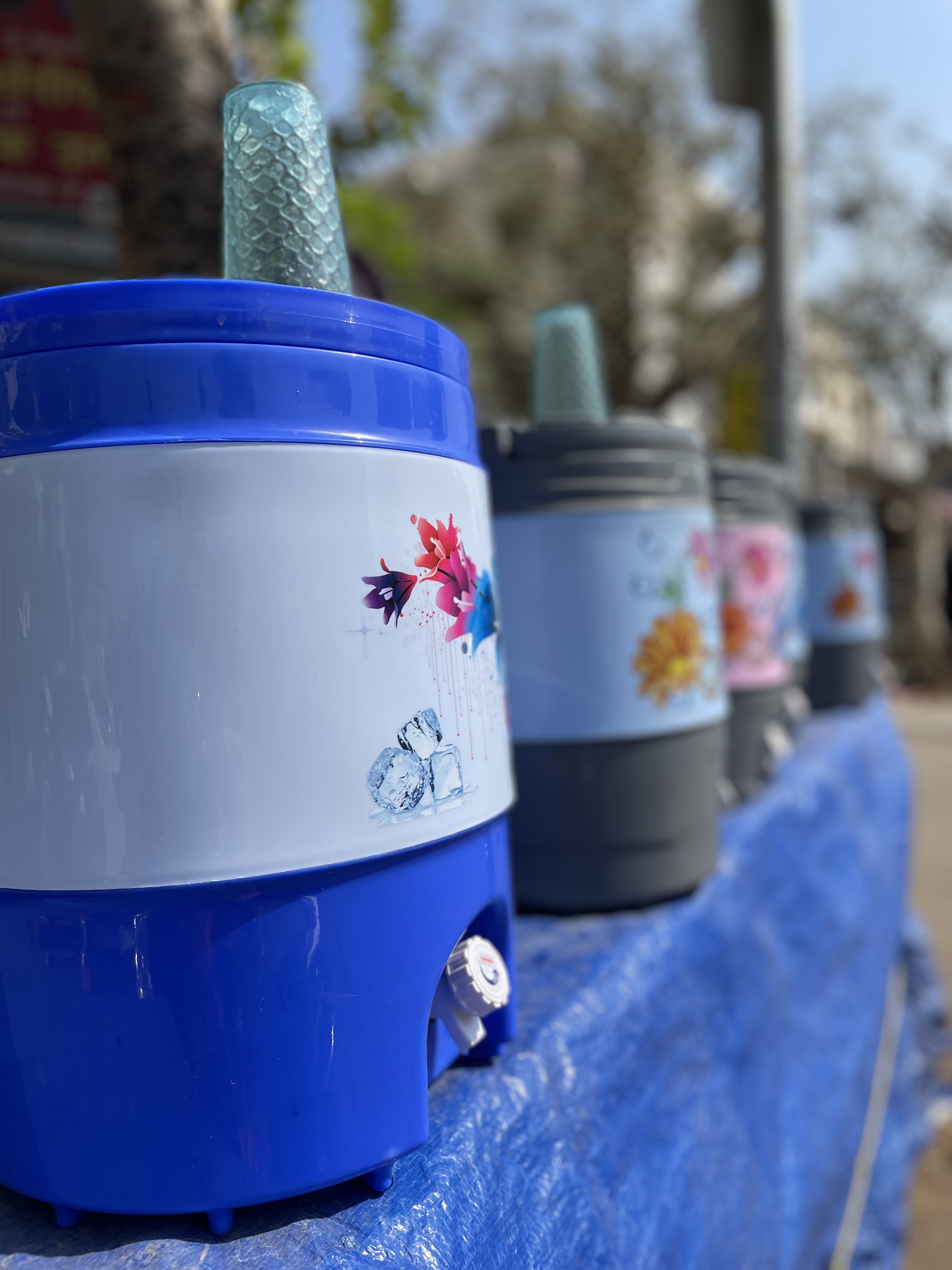
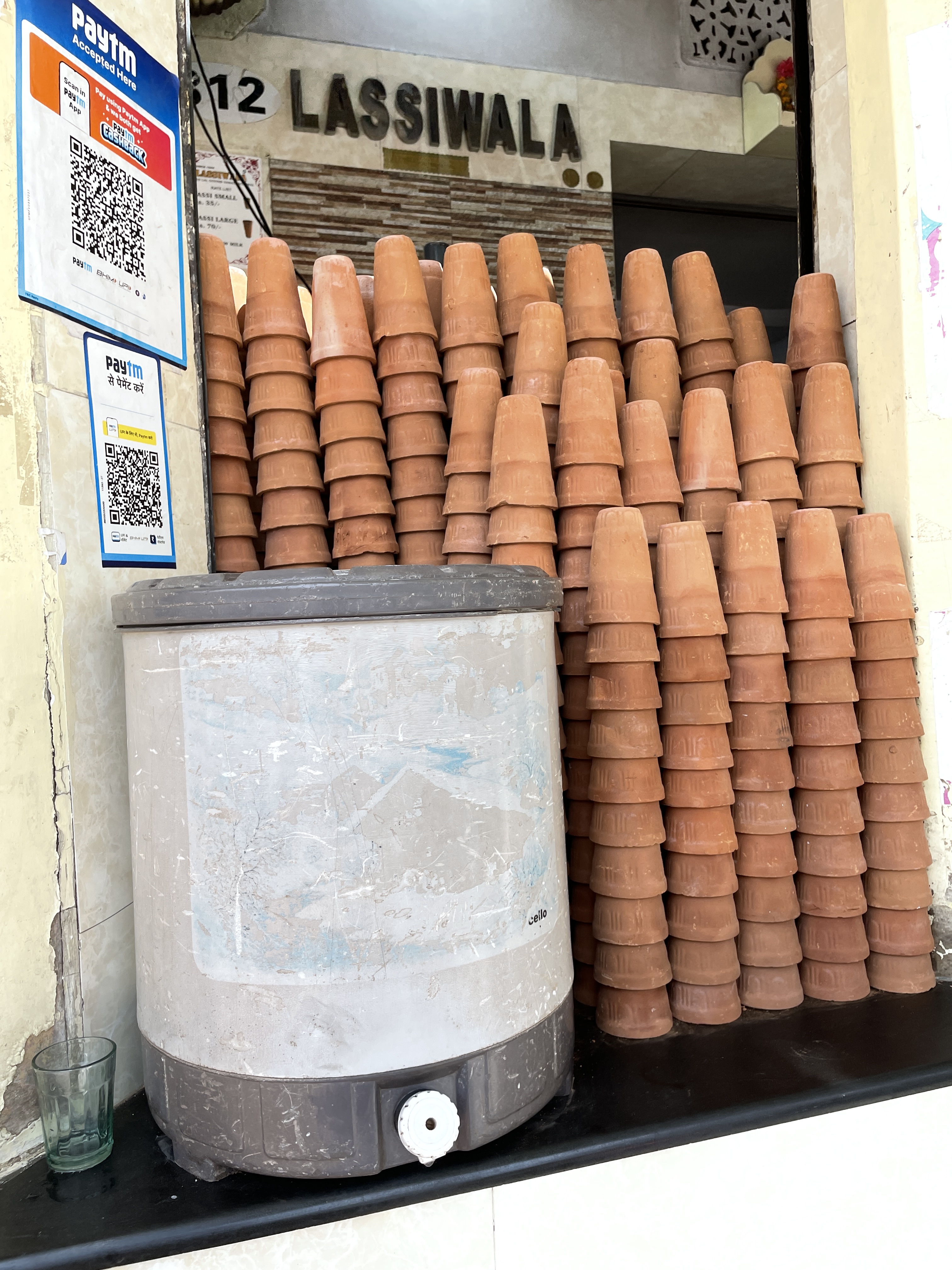
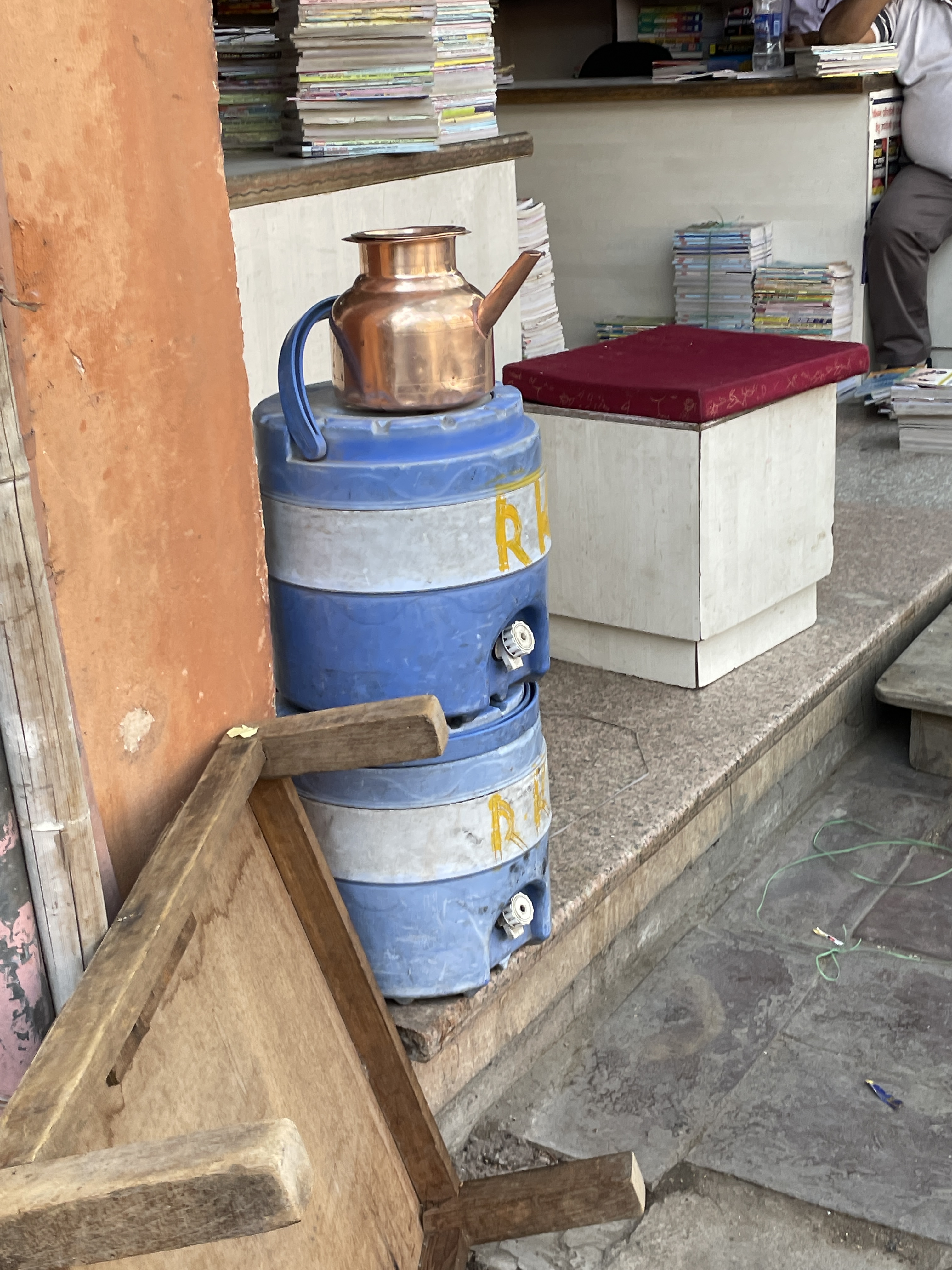
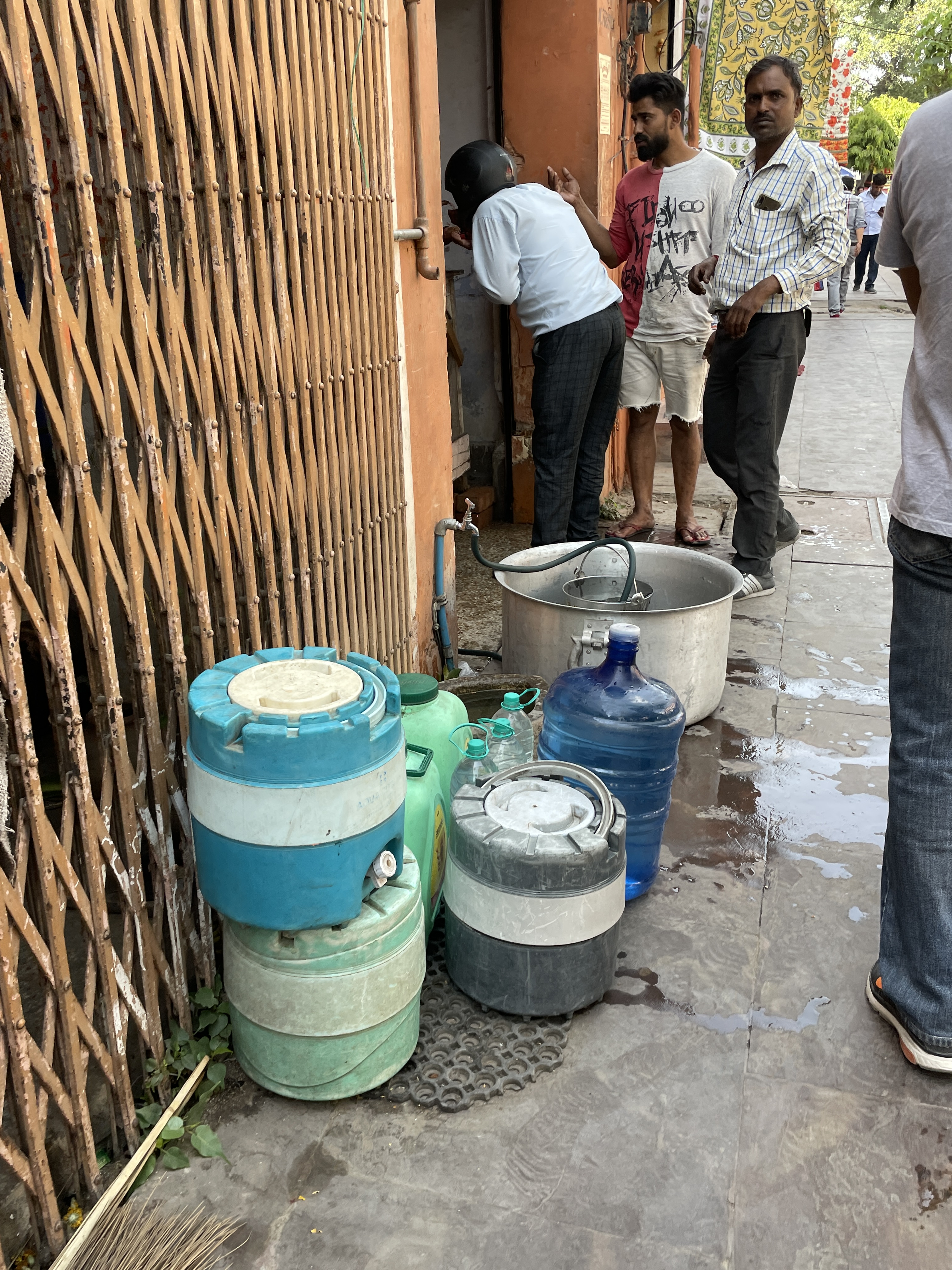
A few months back, I again visited the beautiful city of Udaipur in Rajasthan. Most of you who have visited it would have been mesmerised by its lakes and wondered how could so many lakes exist in a desert state? That’s simply because there were visionary rulers who cared for the welfare of their citizens, thinking ahead in centuries, not just years.
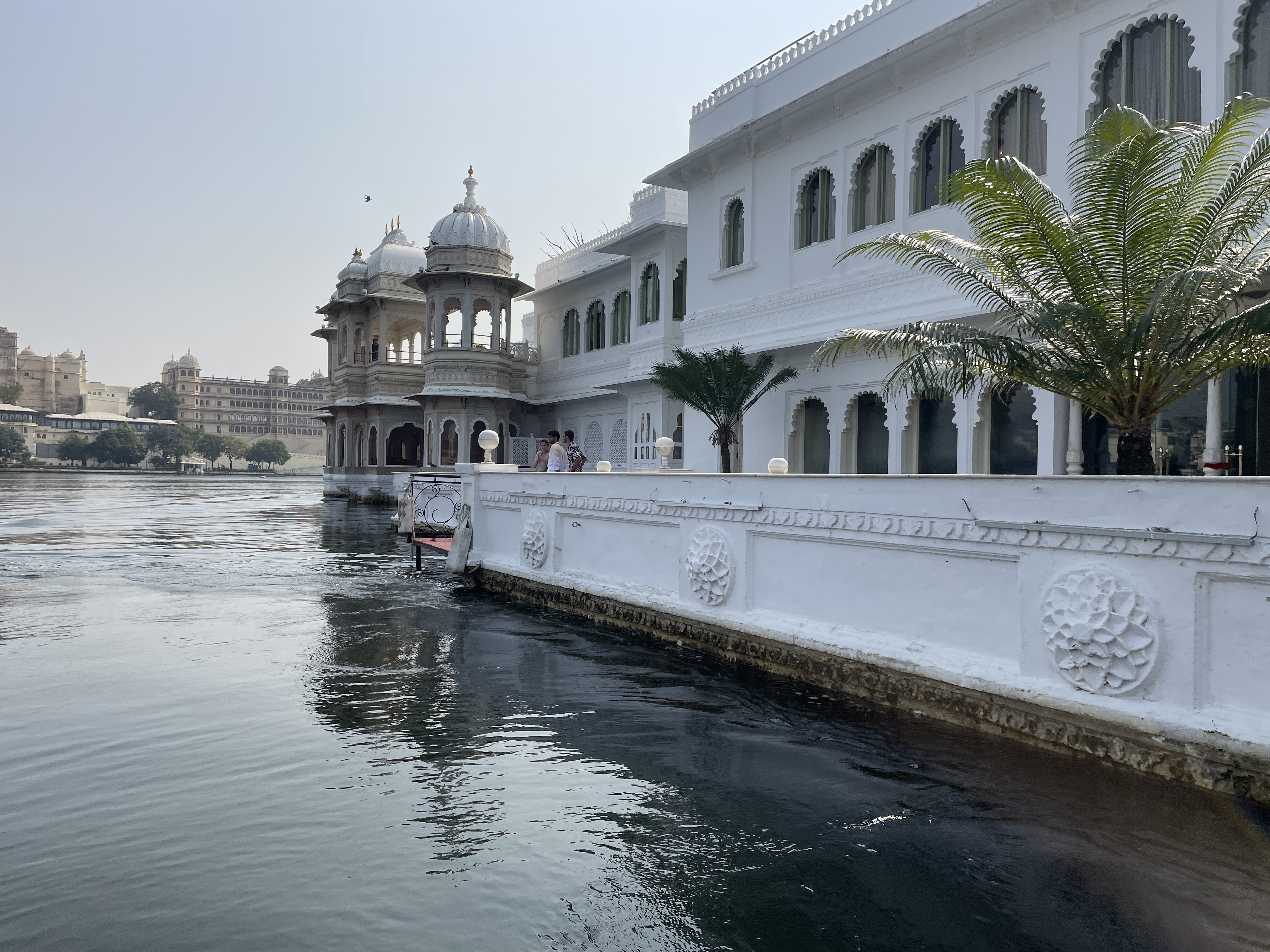
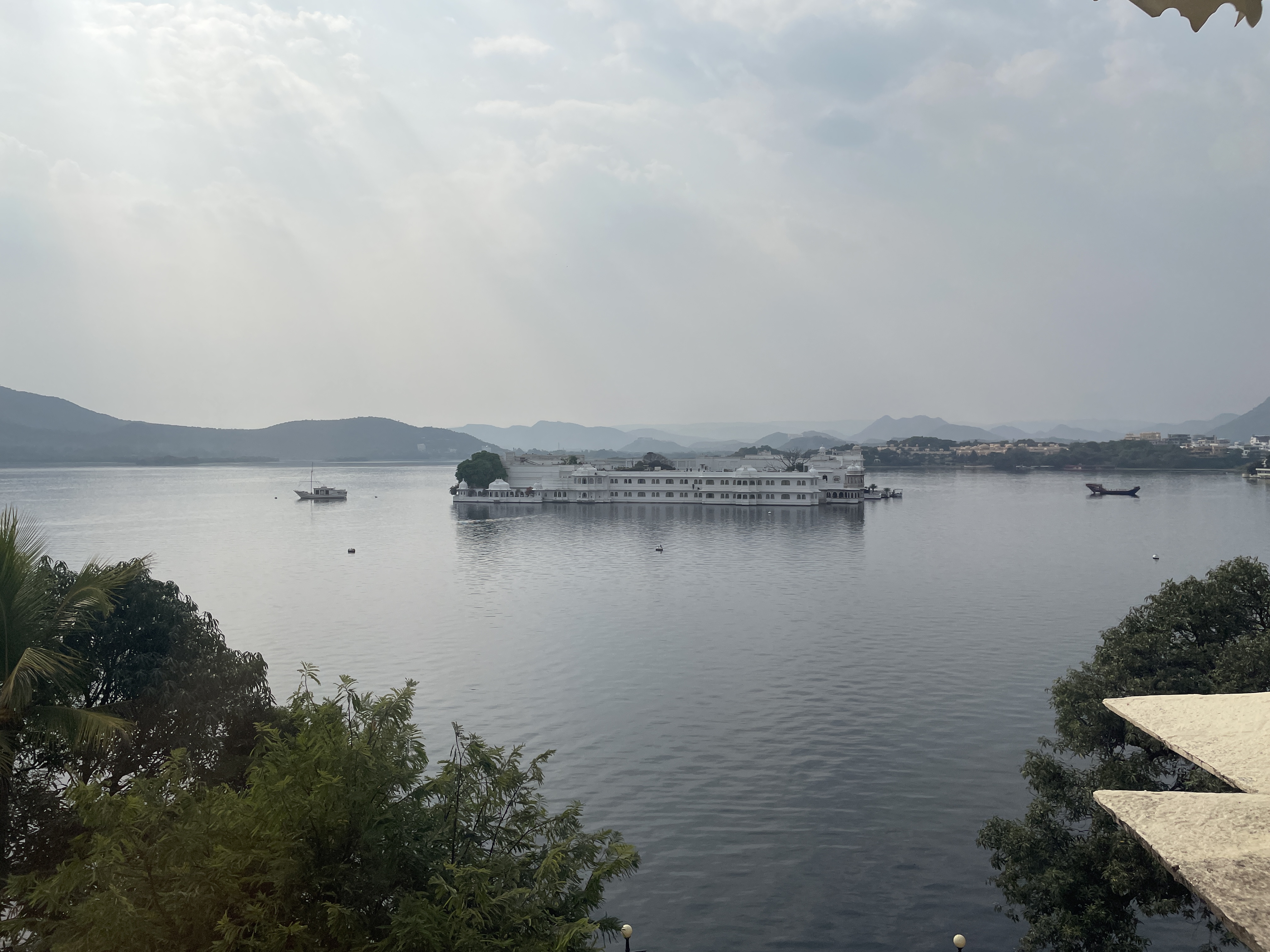
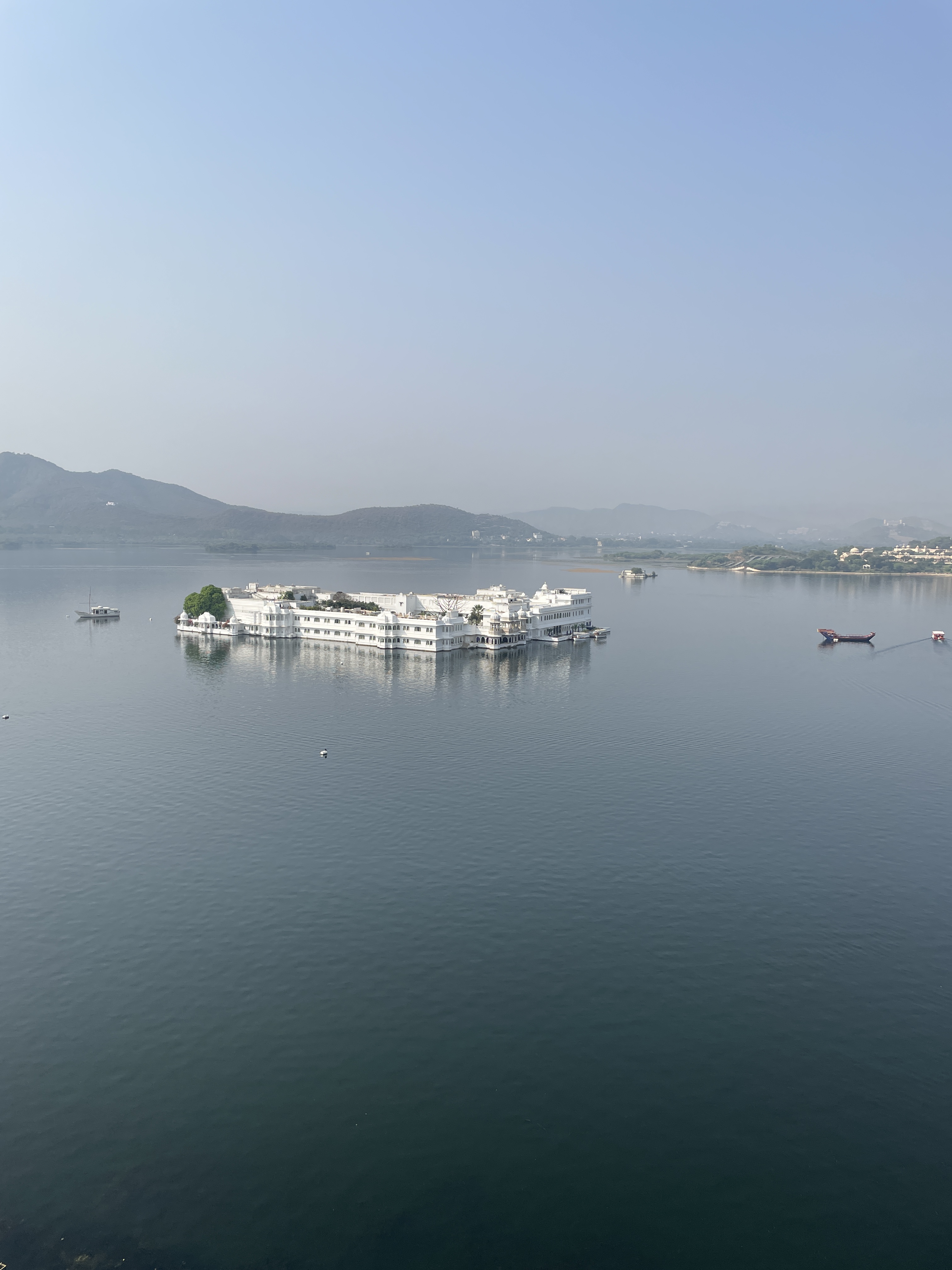
Of course, India had the most stunning step wells in both Rajasthan and Gujarat – lots of photos and info below. A list of reference books on step wells has been provided at the end of the blog.
*In India’s Bengaluru city (formerly Bangalore), thousands of people have been chasing tankers, taking fewer showers and sometimes missing work to store enough water to get through the day…”
https://www.bbc.com/news/world-asia-india-68509409
Some more disturbing facts below:
- Four billion people — almost two thirds of the world’s population — experience severe water scarcity for at least one month each year.
- Over two billion people live in countries where water supply is inadequate.
- Half of the world’s population could be living in areas facing water scarcity by as early as 2025.
- Some 700 million people could be displaced by intense water scarcity by 2030.
- By 2040, roughly 1 in 4 children worldwide will be living in areas of extremely high water stress.
https://www.unicef.org/wash/water-scarcity
The water crisis is a health crisis. Nearly 1 million people die each year from water, sanitation and hygiene-related diseases which could be reduced with access to safe water or sanitation. Every 2 minutes a child dies from a water-related disease.
The rest of the post below was written by me in 2019.
Delhi was the hottest ever on 10th June, 2019 – parts of it was 48 degrees!!!
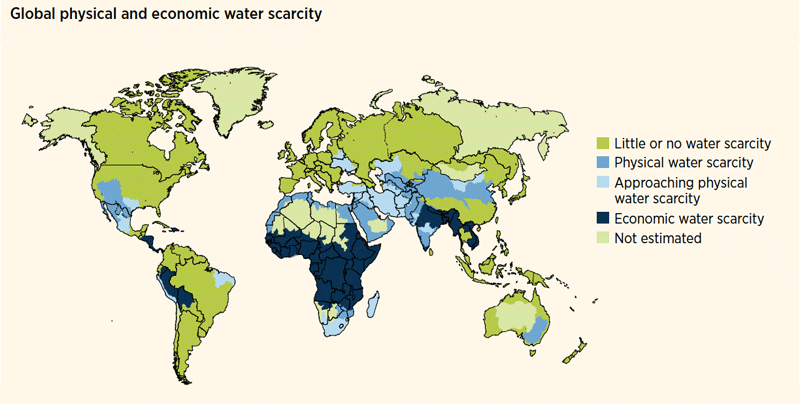
This will go down in history. In the 21st century, our generation has managed to make it to the global historical timeline with the most atrocious events, including the world heading towards a huge water scarcity. According to the UN:
“Around 1.2 billion people, or almost one-fifth of the world’s population, live in areas of physical scarcity, and 500 million people are approaching this situation…”
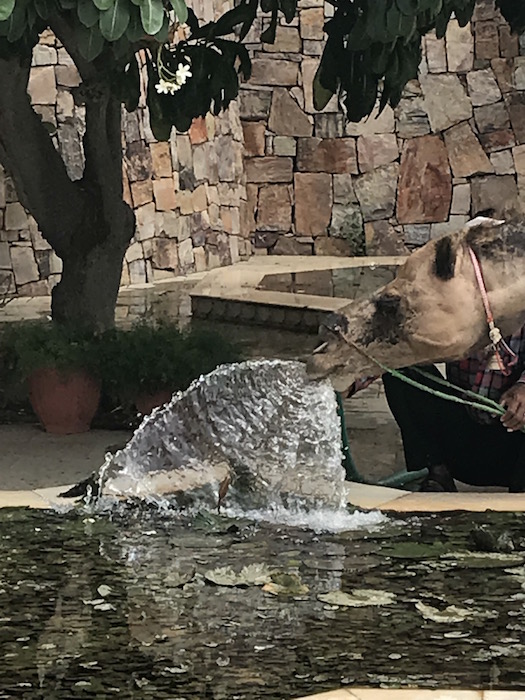
Where does that leave us in India?
“The Asian Development Bank has forecast that by 2030, India will have a water deficit of 50%.”
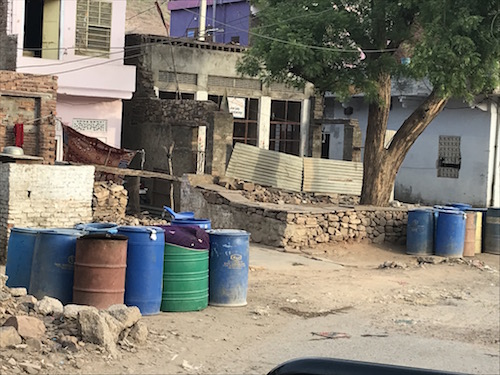
Do notice in the photo above (taken in Sawai Madhupur in Rajasthan) those water containers are locked – from water thefts!
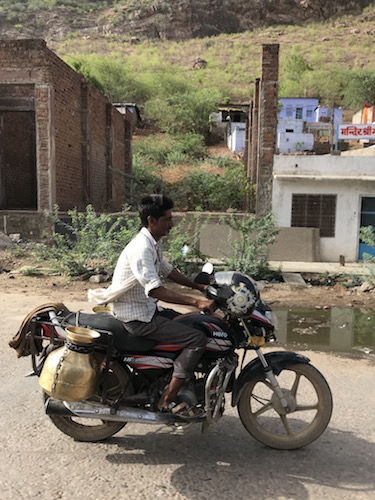
I have spent nearly all of my life in the desert states of Rajasthan and Gujarat where water was revered. Yes, actually treated like God. During years of drought, which was an annual regular, water battles were always fought. Those most badly affected were always the poor – urban or rural.
In Jaipur, the local government would switch off electricity when water would flow through the government pipelines to residential areas. This was to prevent richer people from using pumps to hoard more water than required. We all learnt very early in life to share resources.
But, the sight of chained and locked water containers was part of daily life. Wastage of a drop of water was criminal to us! We were experts at recycling water. Dirty water from used dishes, mopping and washing clothes would be used for the plants. In the Thar desert of Rajasthan, people still use ash to clean dishes. Why not?
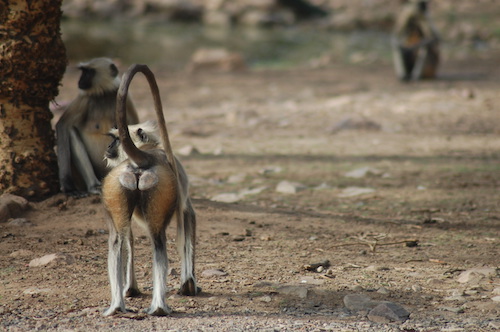
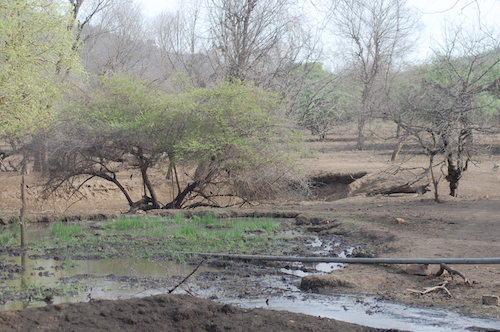
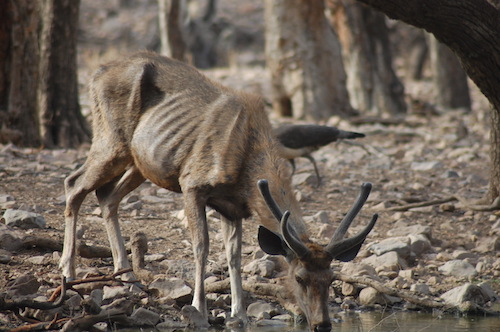
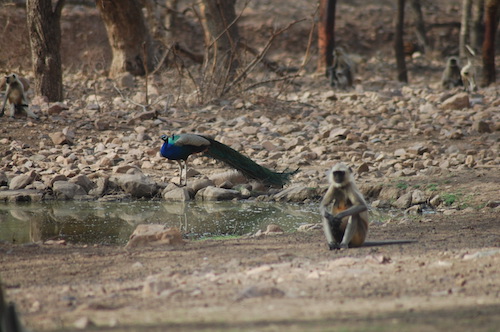
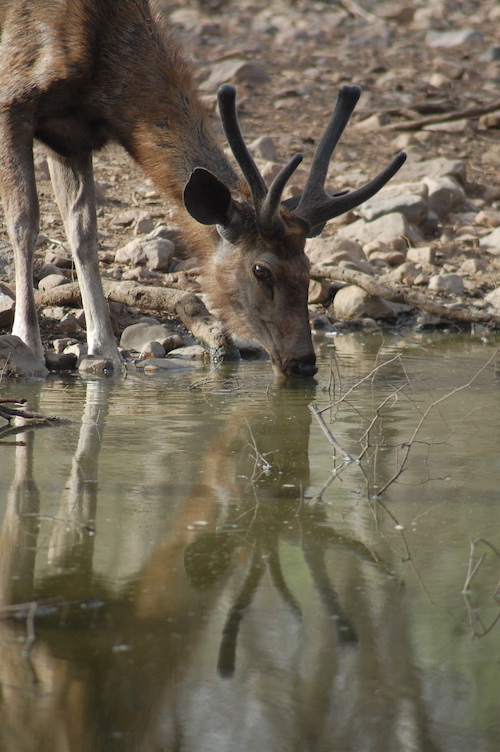
I was horrified to read that two days back 15 monkeys died in the central Indian state of Madhya Pradesh of heatstroke. There is a possibility that they were prevented from drinking water by a larger group of monkeys. But last year, at the Ranthambore Tiger Sanctuary, I had witnessed the respect different species showed each other when it came to drinking water from the nearly dried up waterholes created for them by the forest officials. All the animals and the peacocks had found their own spaces and quenched their thirst peacefully – it had been quite a sight!
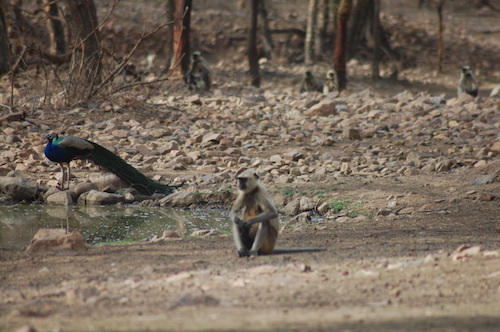
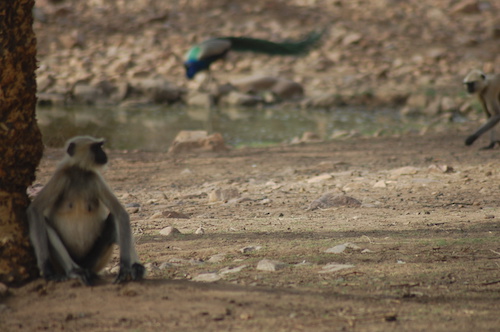
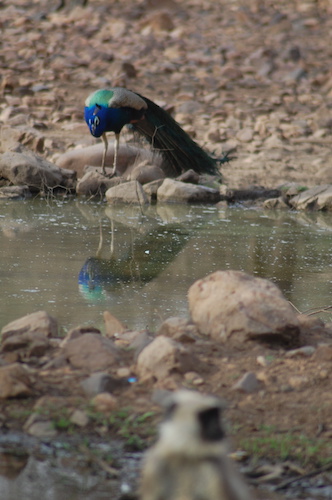
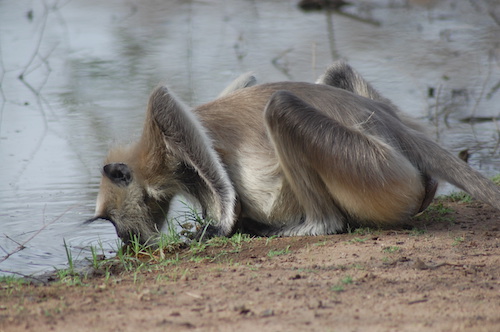
The Guardian reports, “Global demand (for water) has increased sixfold over the past 100 years and continues to grow at the rate of 1% each year…”
“For too long, the world has turned first to human-built, or ‘grey’, infrastructure to improve water management. In doing so, it has often brushed aside traditional and indigenous knowledge that embraces greener approaches,” says Gilbert Houngbo, the chair of UN Water.
How did we even reach here?
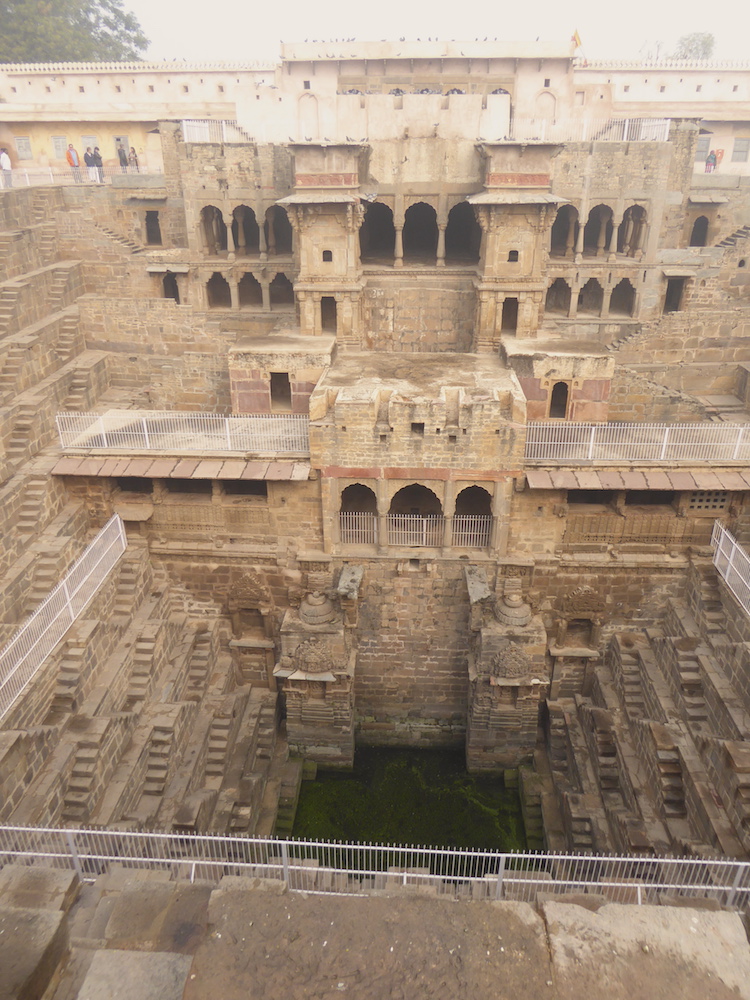
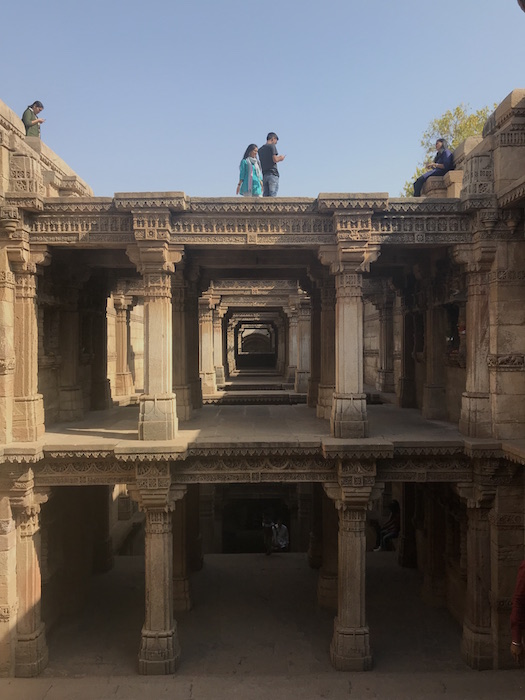
In the Indian subcontinent, where step wells were constructed centuries back by queens and kings in the extremely arid regions of Rajasthan and Gujarat, it is not only sad but plain stupid that we let them go waste and filthy. Instead of understanding the value of these beautiful water harvesting and sustainable structures, we have reduced them to mere backdrops for tourists and photo ops!!!
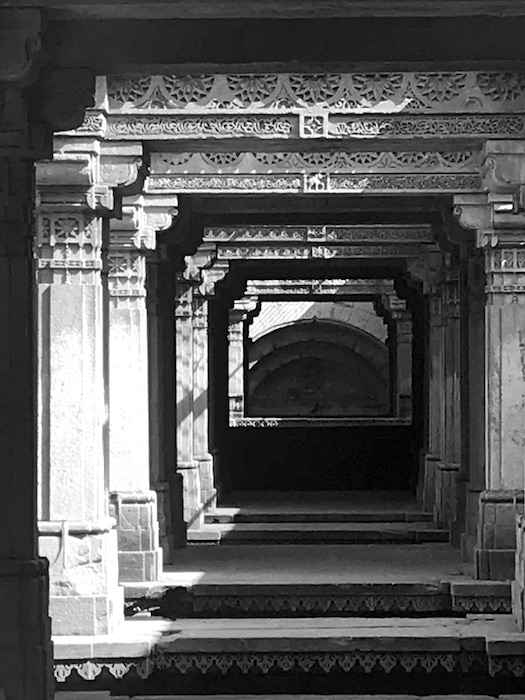
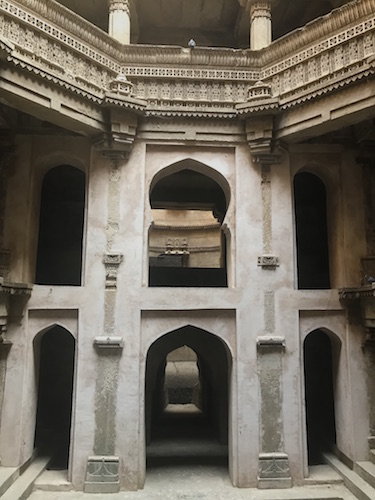
A few months back, I revisited the step well at Adalaj, about 30 kms from Ahmedabad. It was made in 1498 by the queen Rudadevi in memory of her husband, Rana Veer Singh. This structure tapped on to the existing ground water level while helping accumulate water during the seasonal Monsoon. Its architecture and sculptures are a stunning amalgamation of both Hindu and Islamic motifs and styles.
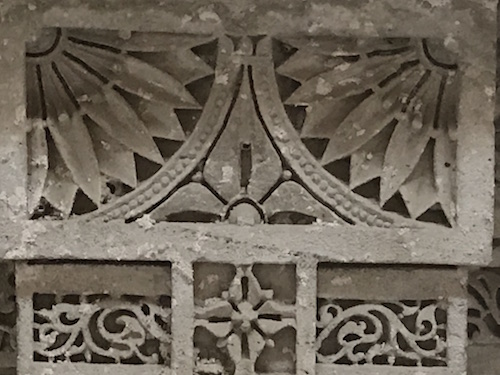
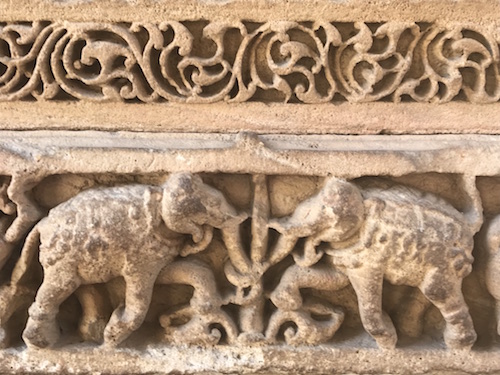
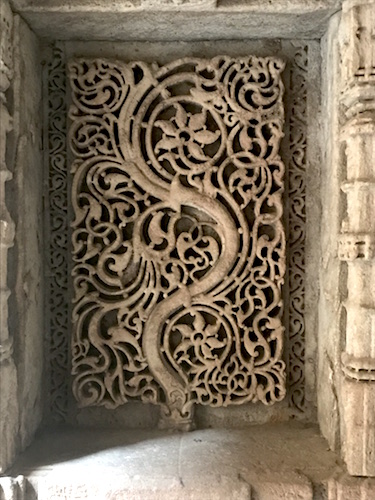
The Chand Baori (local Rajasthani word for step well) at Abhaneri was built in the 8th and 9th centuries. Said to be one of the largest step wells in the world, it has over 3, 500 steps to reach the water, located at the lowest level. The official website declares that is 64 feet deep with 13 stories!
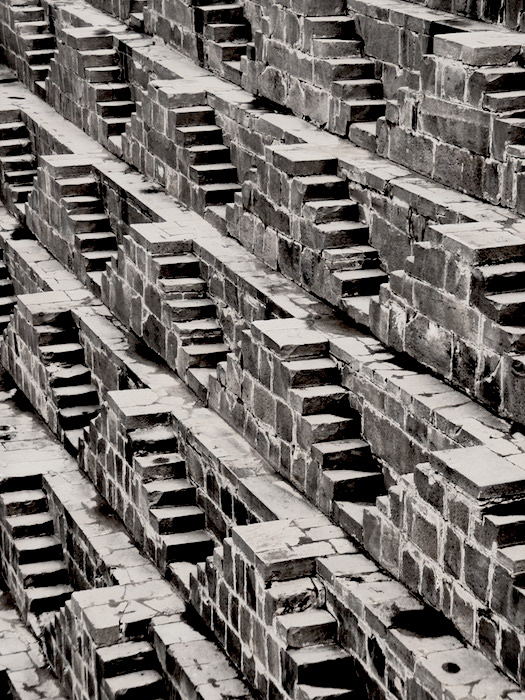
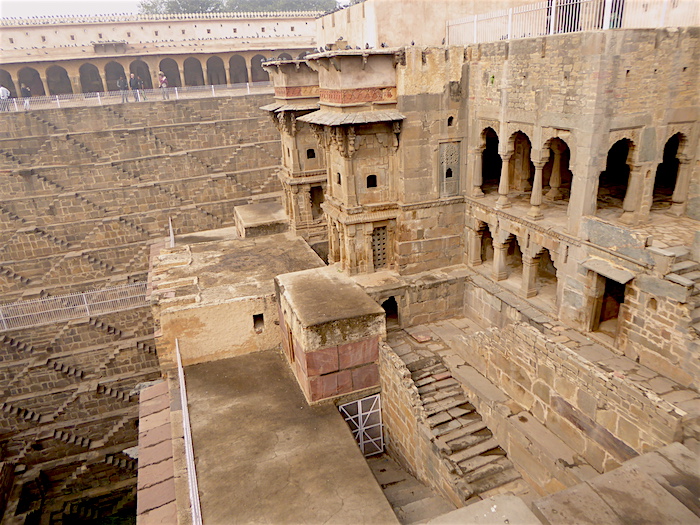
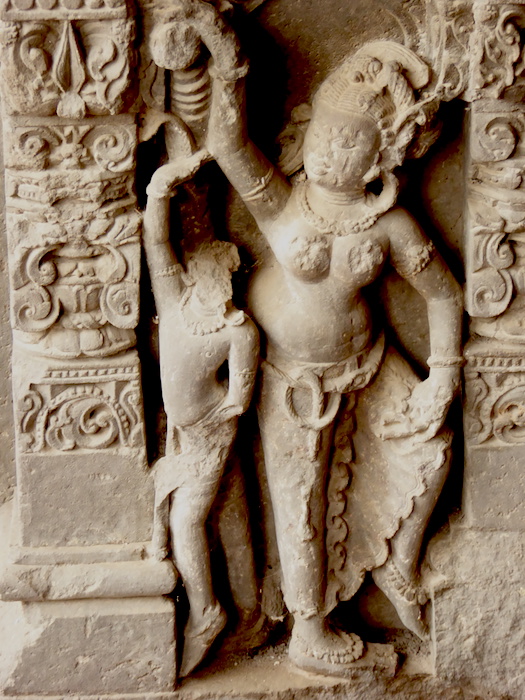
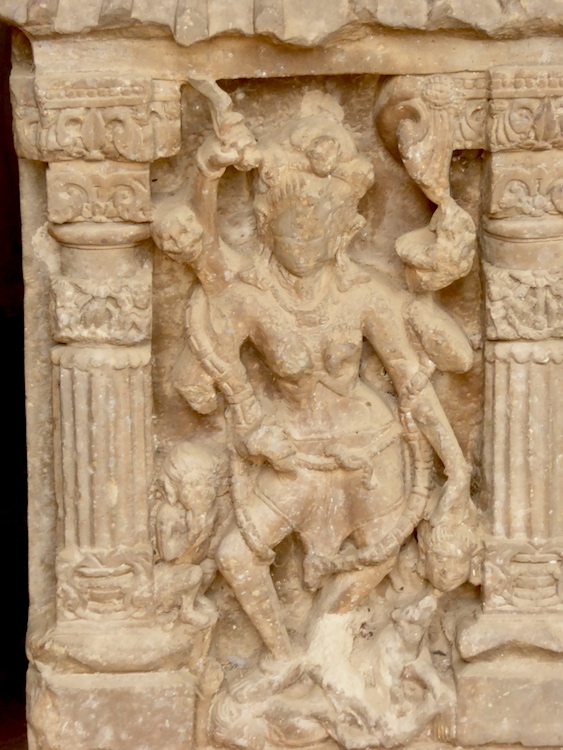
If you visit the Abhaneri step well complex, then do spend a lot of time to appreciate the amazing architectural feat at a time when there was hardly any of the technological advancements as of today. Without any design software, the architects and draftsmen had to create a perfect structure which had to serve a large population for years. The site is presently populated with exquisite sculptures from the Harshat Mata temple next to it.
To give us some reprieve in the burning India of today, let us look at peacocks. Symbolically, they have been heralding the advent of Monsoons over centuries 🙂
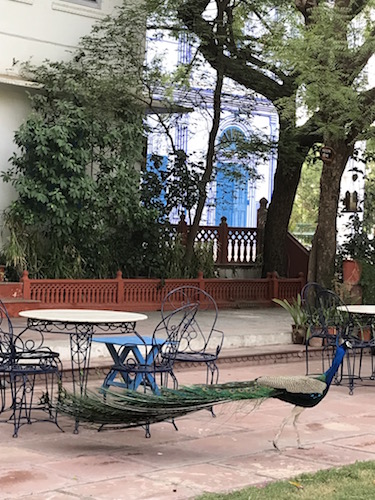
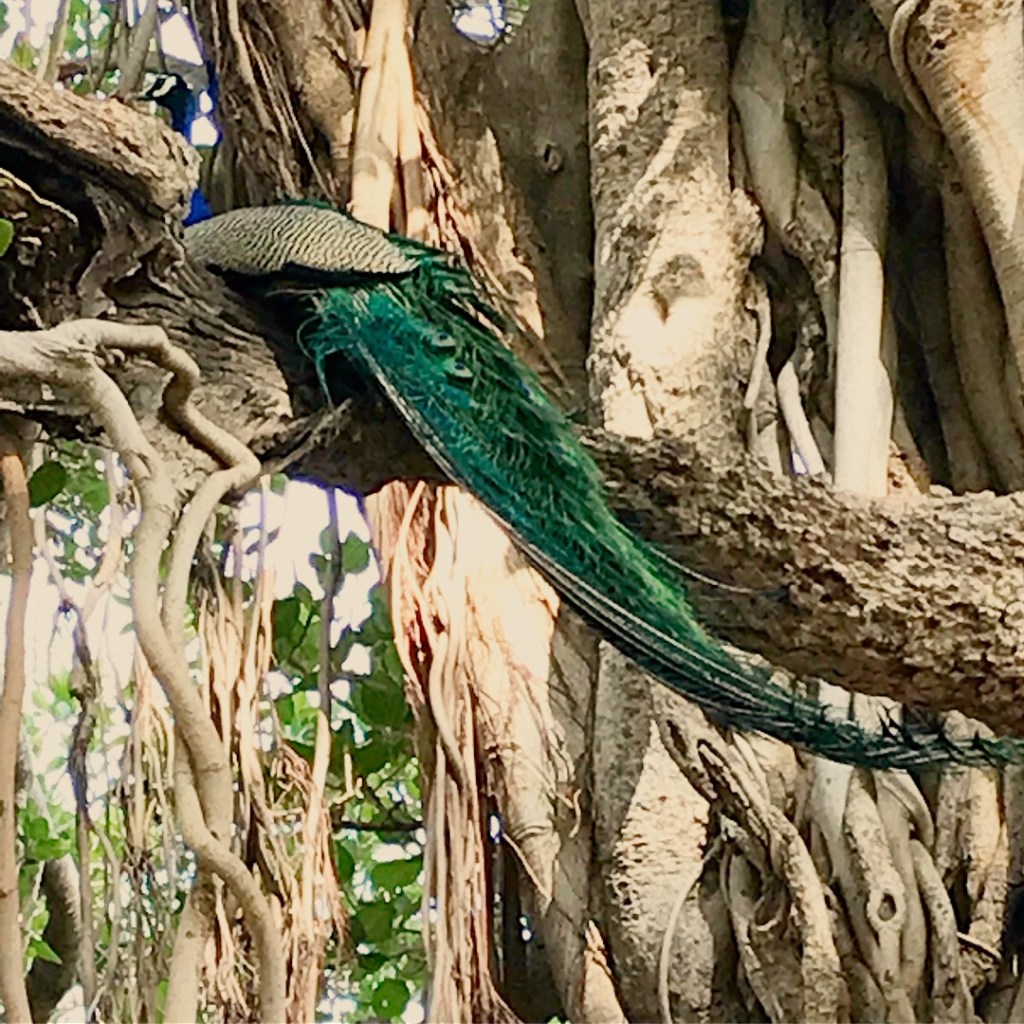
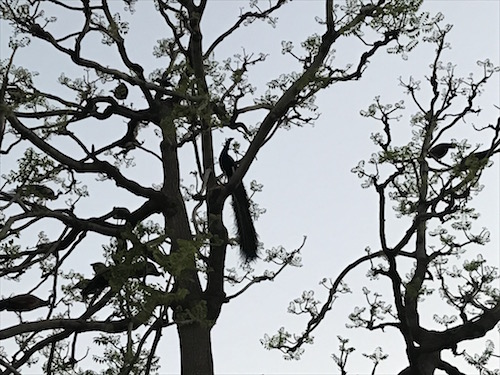
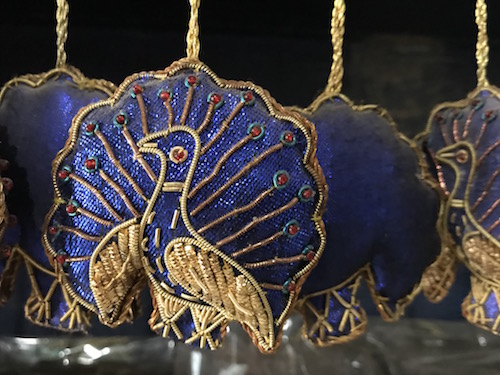
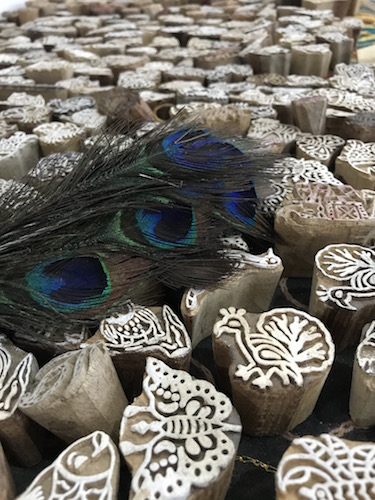
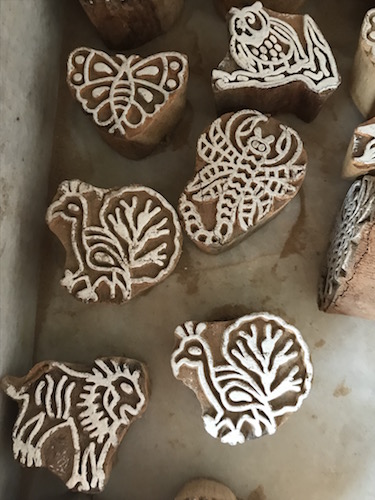
Have you noticed how the peacocks are everywhere – especially in our textiles and architecture? Below are some peacock inspired blocks for printing on textiles, and objects that cherish it. Did you know that in Rajasthan, peacock feathers are not allowed inside homes for the fear of spread of diseases as they are not renowned for taking regular baths and washing off the dirt 🙂 This belief has saved the peacocks from being killed for its feathers.
List of books on stepwells in India:
- Steps to Water: The Ancient Stepwells of India by Morna Livingston, foreward by Milo Beach
- Vanishing Stepwells of India by Victoria Lautmann, foreward by Divya Gupta
- Stepwells of Rajasthan by V N Bahadur
- The Stepwells of Rajasthan: In Art-Historical Perspective by Jutta Jain – Neubauer
All photos and videos have been taken by the author of this blog, Poulomi Das – kindly give due credit. Thank you 🙂
 VarnikaDesigns
During my experience living in Delhi, the capital of India, during the 1980s, I had firsthand encounters with the challenges of water scarcity and the importance of water conservation. I vividly recall days when the water supply would run dry, leaving us without access to clean water. In those times, we had to rely on groundwater for our daily needs.
I remember the arduous task of cleaning utensils using ash and wiping them with a dry cloth, as water was a precious resource that couldn’t be wasted. The water supply was regulated with specific timings: from 5:30 am to 7:00 am, and then again after 12 hours. These limited windows of water availability required careful planning and efficient utilization.
For a period of approximately 5-7 years, we solely relied on groundwater, without the aid of motorized pumps. It was a testament to our resilience and adaptability in the face of scarcity. Living on the first floor of our home, we were incredibly grateful to our neighbors on the ground floor, who generously stored water in buckets for us to use.
These experiences instilled in me a deep appreciation for the value of water and the importance of conservation. It taught me to be mindful of my water usage and to find innovative ways to save and preserve this vital resource. Living through those challenging times in Delhi shaped my understanding of the significance of water and the need to protect it for future generations.
LikeLike
Aptly highlighted the issue stemming from a combination of public apathy, deficient civic governance, bureaucratic mismanagement, builder greed, and the diminishing rainfall caused by rapid urbanization.
LikeLike
Add lack of education about the mistakes and successes from our past which could have guided us!
LikeLiked by 1 person